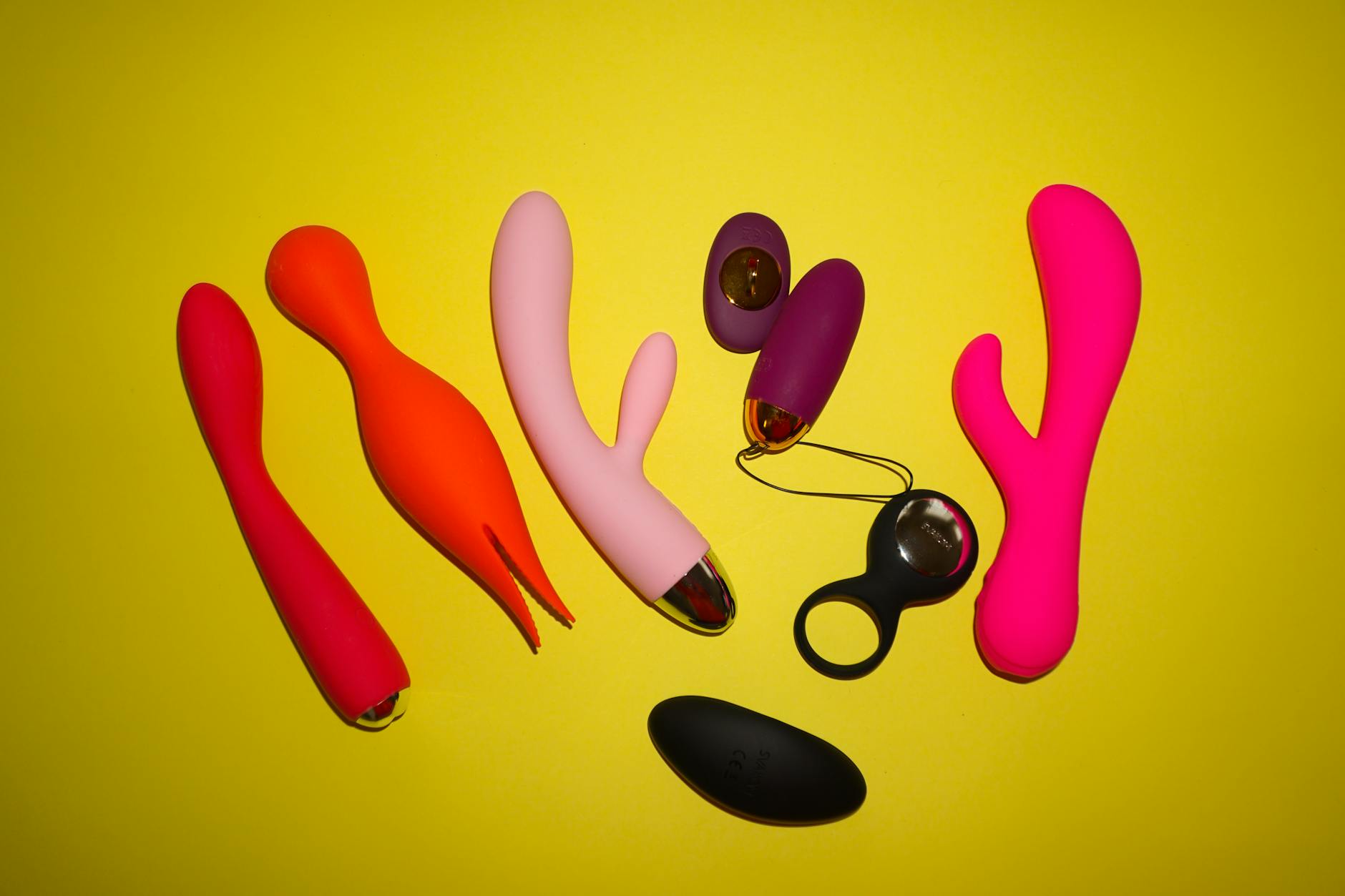
Let's start with what nobody tells you
Hormonal changes don't stop your ability to have pleasure. They change the pathway to it. And that distinction is everything.
If you've recently stopped hormonal birth control, started a new antidepressant, entered perimenopause, or shifted medication for any reason, you've probably noticed something feels off. Arousal takes longer. Lubrication isn't automatic. Sensation feels muted, or sometimes hypersensitive. Your partner still turns you on, but your body's response feels like it's moving through water.
This is wildly normal. And it's also completely fixable.
What actually happens when your hormones shift
Your body produces a constellation of hormones that influence arousal, lubrication, sensation, and orgasm. Estrogen thickens vaginal tissue and supports natural lubrication. Testosterone drives desire. Progesterone affects mood and ease. When any of these fluctuate, the entire chain reaction changes.
Here's what I see clinically: people think they've lost their sexuality. They haven't. They've lost the automatic response they're used to. The difference sounds small. It's not.
When arousal doesn't happen on its old timeline, the anxiety kicks in. "Am I still attracted to my partner? Is something wrong with me? Will this ever come back?" Those questions are louder than any physical sensation, and they make everything harder.
But when you have a tool like a lemon vibrator, something shifts. The suction mechanism doesn't require the same deep arousal state that traditional vibration does. You can start at a lower intensity and build from there. That takes the pressure off.
Why lemon vibrators work differently for hormonal bodies
Three things make the lem vibrator specifically useful when you're navigating hormonal changes:
The suction mechanism bypasses friction sensitivity. Thinned tissue from hormonal shifts can feel raw or tender with direct vibration. Suction stimulates the same nerves but without the mechanical grinding. You get intensity without irritation.
You control the intensity gradient. Unlike traditional vibrators where you're choosing between "off" and "buzz," lemon vibrators have multiple intensity levels. When arousal takes longer to build, you can start at pattern 1 or 2 and slowly work your way up. This mirrors how your body actually wants to wake up right now. No rushing. No pressure.
Suction feels like touch, not just vibration. Hormonal changes often dull sensation. Suction creates a gentler, more directional stimulus that many people find easier to feel than all-over buzzing, especially if your clitoral tissue has thinned or your nerve endings feel sluggish.
I've worked with dozens of couples where one partner came off birth control or started a new antidepressant and suddenly felt disconnected from their own pleasure. The shame that follows is often worse than the physical change. A lemon clitoral vibrator doesn't fix your hormones. It does give you a way back in while your body recalibrates.
The lubrication question nobody wants to ask
Hormonal changes almost always affect natural lubrication. Whether you've stopped the pill, started an SSRI, or entered perimenopause, vaginal dryness is one of the first signs something has shifted.
Here's the important part: dryness doesn't mean you're not aroused. It means your body's lubrication system has changed. You're not broken. You just need external support.
Use a water-based lubricant. Full stop. Not because you're failing at arousal, but because your tissue deserves support right now. The lemon vibrator works even better with lube because suction plus moisture creates a better seal and more sensation. Apply generously. Reapply if you need to. This isn't a workaround. It's care.
Building arousal back when your timeline has shifted
One of the hardest adjustments after hormonal changes is speed. You used to get aroused in five minutes. Now it takes fifteen or twenty. Your partner gets impatient. You get frustrated. The whole thing collapses into resentment.
This is where I always coach couples to separate two conversations: "My body is responding differently" and "We need to reconnect." One is physiological. The other is relational. Confusing them makes both worse.
With your lemon vibrator, you can explore arousal on your new timeline. Start solo. Give yourself permission to take twenty minutes or thirty. Use the lower intensity levels. Notice where sensation lives now. That's not wasting time. That's gathering intelligence about your own body.
When you eventually share this with a partner, you're not coming to them as a problem to solve. You're coming with information: "This is what helps me feel good now. Here's how you can help." That's a conversation that works.
What to expect when you first start using one
If you're new to suction-style lemon adult toys, the sensation is different from what you might expect. It's gentler than vibration but more targeted. There's a slight pressure that builds around the clitoris rather than a buzzing sensation across it.
First time: go slow. Start at the lowest setting. Spend a few minutes just feeling what's happening. Your body needs to understand this new input before it can fully respond to it. This isn't failure if you don't orgasm immediately. You're learning a new language.
Many people report that orgasms with suction feel different. Sometimes deeper. Sometimes more localized. Sometimes faster than they expected. Your nervous system is responding to a stimulus pattern it hasn't encountered before. That takes a session or two to feel natural.
Some people experience slight discomfort at first if they're very sensitive. Use more lube. Back off the intensity. Or give it a few sessions. Most sensory adjustments settle within three or four uses.
Reintroducing pleasure with a partner
If you're coupled and navigating this together, the lemon vibrator can be a bridge. Not a replacement for connection, but a tool that gives both of you permission to slow down and explore what works now.
Let your partner watch. Let them hold it. Let them choose the intensity level while you focus on sensation. This changes the dynamic from "something's wrong with me" to "let's figure this out together."
Many couples find that relearning arousal together actually deepens intimacy. You're not relying on old muscle memory. You're present, communicating, paying attention. That's the opposite of taking pleasure for granted.
The timeline for hormonal recalibration
If you've just come off birth control: expect three to six months for your cycle and arousal patterns to stabilize.
If you've started an SSRI or other medication: some adjustment happens within weeks, but full adaptation can take two to three months.
If you're in perimenopause: this is a longer dance. Years, sometimes. But within each phase, your body does adapt and find a new baseline.
The lemon vibrator isn't a waiting-room distraction. It's a tool you'll want on your nightstand for the long game. As your hormones stabilize, you might find your arousal speed returns to something closer to before. Or you might find you prefer this slower, more intentional version of yourself. Both are fine.
When to check in with a doctor
If lubrication is causing pain rather than just inconvenience, mention it to your provider. Topical vaginal estrogen is safe, non-systemic, and works quickly. Same if arousal has completely vanished and isn't returning within a few months. That's worth investigating.
If you started new medication and suspect it's tanking your libido, don't just accept it. Talk to your prescriber. Dose adjustments, timing changes, or alternative medications might help. Your pleasure matters enough to advocate for.
Here's what I want you to know
Your body isn't punishing you. Your hormones aren't betraying you. You're experiencing a normal biological adjustment that millions of people navigate. And you have tools now. A lemon vibrator isn't the only answer. But it's a really good one.
Return to pleasure slowly. Relearn your own arousal. Let your partner in. And give yourself the grace that every body deserves during times of change.
People also ask
Can a lemon vibrator help if I have numbness from hormonal changes?
Yes. Suction stimulates nerves differently than traditional vibration, and many people with desensitization report stronger sensation with suction-style toys. Start low and go slow. Your sensory system needs time to wake back up. If numbness persists beyond a few months, check in with your doctor.
How long does it take to feel pleasure again after hormonal shifts?
It depends on what caused the shift. If it's birth control, most people notice changes within four to eight weeks as their body recalibrates. If it's medication, give it two to three months. Perimenopause is longer and more variable. A lemon clitoral vibrator helps you reconnect during the waiting period, not just after it's resolved.
Should I use a lemon vibrator during or before arousal starts?
Either, but start before full arousal if you're new to it. Use it as part of your arousal buildup, not just at the end. Lower intensities early on help your nervous system recognize the stimulus. Build gradually. This is especially helpful when hormonal changes have made arousal slower to develop.
Is vaginal dryness from hormonal changes permanent?
Not usually. It's often temporary while your body adjusts. But if it persists, water-based lube is a permanent part of your toolkit now. That's not failure. That's adaptation. Many people use lube for years or indefinitely and wouldn't change a thing.
What if my partner isn't supportive of me using a lemon vibrator?
That's a relationship conversation, not a toy conversation. If your partner is resistant to you finding pleasure during a vulnerable time, that's worth unpacking together or with a couples therapist. Your pleasure matters. Full stop.
Can I use a lemon vibrator if I'm on antidepressants that affect arousal?
Absolutely. Many people on SSRIs or SNRIs experience arousal or orgasm changes. A lemon vibrator can help you stay connected to pleasure during those shifts. It's not a cure for medication side effects, but it's a bridge. If arousal or orgasm are completely absent, talk to your prescriber about dose, timing, or alternatives.