What happens when you switch from vibration to suction
Let's be real. If you've been using traditional vibrators for years, the jump to a lemon-based clitoral vibrator like the Lem isn't an upgrade in the way a faster phone is. It's a completely different sensation architecture. Your body doesn't experience it as "stronger" or "better." It experiences it as something else entirely.
The difference comes down to mechanics. Traditional vibrators work through rapid back-and-forth movement. They stimulate through friction and amplitude. Lemon vibrators use air-suction technology, which creates a gentle seal and soft pulsing sensation that mimics oral sex. One is friction-based. The other is pressure-based. Your nerves read them as two separate languages.
The nerve response difference
Your clitoris has about 8,000 nerve endings concentrated in an area the size of a pea. Not all of them respond the same way to the same stimulus. Some are sensitive to vibration frequency. Others respond better to sustained pressure and release cycles. Some prefer directness. Others light up with indirect stimulation.
When you use a traditional vibrator, you're primarily activating the nerve endings that love rapid movement. When you switch to a suction-based lemon clitoral vibrator, you're engaging a slightly different set of nerve clusters. The ones that respond to the build-and-release pattern of suction sensation.
This explains why so many people report that their first orgasm with a lemon vibrator feels qualitatively different. Not necessarily stronger. Just different. Sometimes deeper. Sometimes more localized. Often more intense at the moment of release because the pressure-and-release cycle creates a unique buildup pattern.

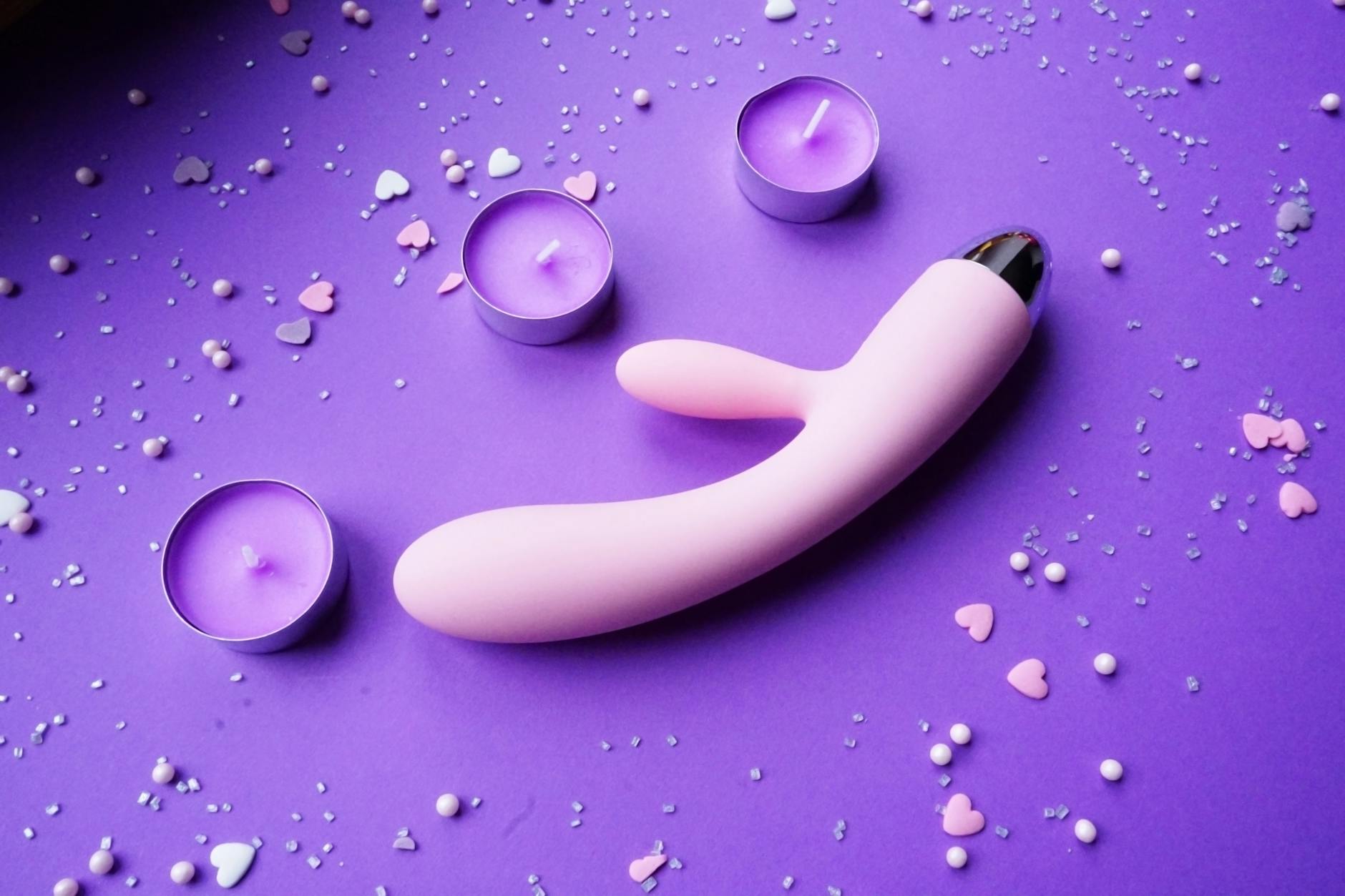
Photo by cottonbro studio on Pexels
Why the transition might feel weird at first
Here's the thing that catches most people off guard. If you've trained your body to respond to one type of sensation for months or years, switching to something entirely different can feel almost too gentle at first. Your nervous system is tuned to expect vibration. Suction can feel like it's not doing anything when you first try it.
This is not a sign that lemon clitoral vibrators don't work for you. It's a sign that your body needs about five to ten minutes to recalibrate. Your pressure sensors need time to register what's happening. Your arousal pathway needs to build in a different rhythm.
Most people report that by the second or third session with a lemon sucker device, the shift clicks. Your body stops waiting for the familiar buzz and starts responding to the pressure waves. Then, usually within a week, you wonder why you waited so long to try it.
The arousal curve changes
Traditional vibrators tend to create a steep arousal arc. Fast buildup, rapid intensification, relatively quick climax. This is great. It's efficient. It works. But it leaves limited room for nuance.
Lemon vibrators follow a different curve. The buildup is slower and steadier. The sensation is more concentrated. The release, when it comes, often feels more full-bodied because the entire arousal process has been operating at higher sustained pressure rather than frantic movement.
This matters if you're someone whose pleasure benefits from longer foreplay or who sometimes feels like standard vibrators overshoot your sweet spot. If you've been chasing intensity with traditional vibrators and never quite felt satisfied, it might not be that you need more power. It might be that you need a different kind of stimulus altogether.
Many of my clients describe the shift like moving from a strobe light to candlelight. Less flash. More presence.
Combining methods: layering sensations
One of the unexpected benefits of switching to a lemon vibrator is that it plays beautifully with other tools. Because the sensation is so different, you can use your old vibrator alongside a clitoral vibrator without overstimulation.
Some people use a traditional vibrator for initial arousal and then transition to the lemon suction device once they're fully engaged. Others alternate between the two, letting their body experience both stimulus types in one session. This layering is harder to do with two traditional vibrators because the sensations blur together. With suction-based lemon adult toys and friction-based vibrators, each one stays distinct.
The point is this: switching doesn't mean discarding everything that worked before. It means adding a completely new tool to your pleasure toolkit.
How to actually make the switch smooth
If you've decided to try a lemon vibrator after years with traditional options, here's what actually helps.
Start with realistic expectations about sensation. It will feel different. That's the entire point. Different does not automatically mean better. It means your body gets to experience something new. Give it time to respond.
Use the first session as a learning experience, not a performance. You're not trying to orgasm. You're trying to understand how this device feels on your body. Pressure. Patterns. Speed. You'll have plenty of time for orgasms in session two and three.
Keep your expectations about speed low. A lemon clitoral vibrator typically takes longer to produce results than a traditional vibrator because the sensation pathway is different. This is fine. It's not slower. It's just not a sprint.
Introduce it when you're already aroused. Don't start a session with a lemon vibrator from a neutral state if you've always used traditional vibrators. Warm up first. Get your nervous system engaged. Then introduce the new sensation so your body has context.
Resist the urge to keep shopping. People often try one lemon vibrator, find it takes three sessions to click, and then assume it's not for them. They buy a different brand or go back to vibration. Then they wonder why they never felt the shift. Give any new device at least five to ten uses before you decide it's not your thing.
The particular advantage for sensitive bodies
If you have a sensitive clitoris and traditional vibrators have always felt a bit too intense or too direct, a lemon vibrator might be the solution you've been looking for. Because suction distributes pressure over a broader area and doesn't involve direct contact with the most sensitive tissue, it creates intensity without that sharp, sometimes overwhelming sensation that friction-based vibration can produce.
This is why so many people with clitoral sensitivity find lemon suction devices revelatory. They finally have a tool that feels powerful without feeling punishing.
Similarly, if you've experienced numb spots or dead zones from years of using traditional vibrators, switching to an entirely different stimulus type can sometimes help reset your sensitivity. Not always. But often enough that it's worth trying.
What about combining it with partners
One thing that changes when you switch to a lemon clitoral vibrator is the experience of partnered play. Because suction-based lemon sexual toys feel more like oral sensation, they integrate differently into partnered activities. Some couples find that the sensation profile feels more connected to what a partner can provide. Others find that because it's so different from partnered touch, it feels like a solo-specific pleasure tool.
There's no rule here. But if you're making this switch and you have a partner, it's worth a conversation about how this new device fits into your shared pleasure life. Sometimes it becomes a couples tool. Sometimes it becomes your personal thing. Both are valid.
The pleasure residue effect
One unexpected benefit that comes up again and again in conversations with people who've made the switch is what I call the pleasure residue effect. Because your nervous system has learned to respond to a completely new stimulus type, traditional vibrators often feel fresh again. Your body isn't bored anymore. You have two different sensation profiles to work with, and they both feel alive.
This is particularly useful if you've been in a long-term relationship with your vibrator and it's started to feel routine. The addition of a lemon clitoral vibrator doesn't replace what you had. It reminds your body why you loved it in the first place.
FAQ
How long does it usually take to adjust to a lemon vibrator after using traditional vibrators?
Most people report that it takes three to five sessions to fully feel the shift. Your nervous system has been trained to expect vibration, so suction can feel subtle at first. By session two or three, your body starts recognizing the pattern and responding more readily. By session five, it usually feels intuitive. Some people get it immediately. Others need ten sessions. Neither timeline is wrong.
Can you use a lemon vibrator and a traditional vibrator together in one session?
Absolutely. Because the sensations are completely different, they don't interfere with each other the way two vibrators might. Some people use them in sequence (warm up with one, finish with the other). Others use them simultaneously in different areas. Both approaches work. The key is that you're layering different stimulus types, not doubling down on the same one.
Will a lemon vibrator feel less intense than a traditional vibrator?
Not necessarily. They're just different intensities. A traditional vibrator creates intensity through rapid movement. A lemon suction device creates intensity through sustained pressure. One is not objectively stronger than the other. They activate different nerve endings. Some people find suction-based intensity more satisfying. Others prefer the buzz of vibration. Both are valid.
What if I try a lemon vibrator and it doesn't work for me?
That's possible, though most people who feel nothing after one session find that by session three or four, their body has adjusted. If you've given it five solid tries with realistic expectations and it's genuinely not creating pleasure, then it might not be your thing. That's okay. Everyone's nervous system is different. But I'd encourage at least five attempts before you decide.
Is the transition harder for people who've used vibrators for years?
Not harder. Just different. Your nervous system has learned patterns, yes. But that also means your nervous system is plastic and responsive. The longer you've used traditional vibrators, the more your body knows what pleasure feels like, which actually helps you recognize and respond to new sensations. The learning curve is about adaptation, not starting from zero.
Should I throw away my old vibrators when I get a lemon vibrator?
Not at all. Keep them. Add the new device to your collection. Many people find that having both options available actually deepens their pleasure because their body doesn't get stuck in one groove. Variety keeps everything feeling alive.
Moving forward
Switching from traditional vibrators to a lemon-based clitoral vibrator is less about upgrading and more about expanding your pleasure vocabulary. You're teaching your body a new language. It takes a few conversations before the words feel natural. But once they do, you've got a whole new dimension of sensation available to you.
Your pleasure matters. It's worth the patience it takes to learn something new. If you want to explore what a Lem or other lemon vibrator might add to your experience, start with one session with zero expectations. Then give your body five more chances to respond. That's usually enough to know whether this shift is for you.
Have questions about making the transition or want personalized guidance? Reach out to Hello Nancy.