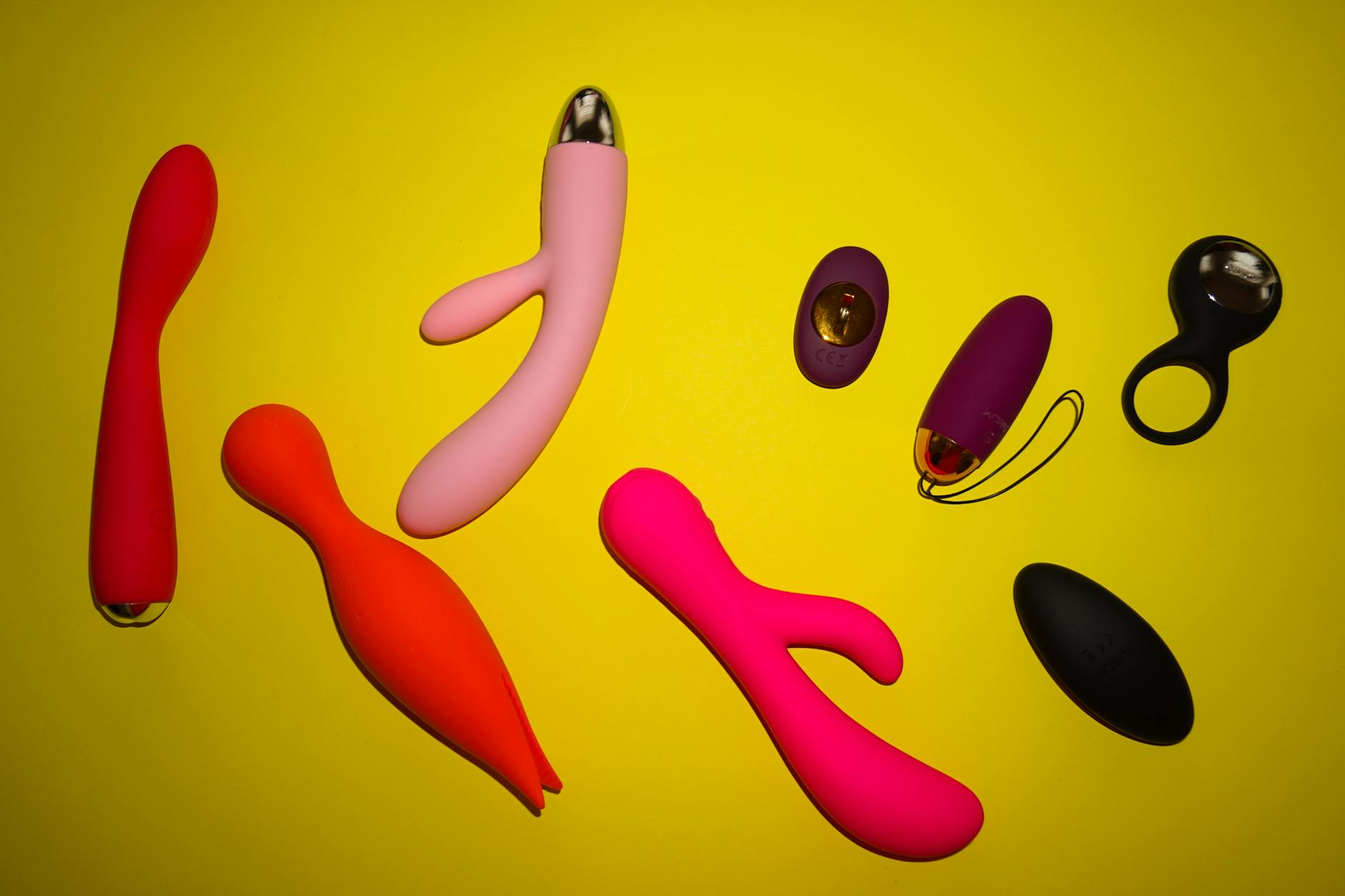
Let's talk about the thing doctors don't usually explain
Gynecological surgery changes your body. Whether it's a hysterectomy, cyst removal, fibroids treated, or pelvic floor reconstruction, the physical experience of pleasure shifts. What's harder to talk about is the psychological part. You're healing from trauma to a part of yourself that was intimate, private, and suddenly medical.
Pleasure feels complicated. Sometimes it feels impossible.
Here's what I've learned from working with people rebuilding their sexual life after gynecological procedures: recovery isn't about returning to baseline. It's about discovering what works for your healed body and repairing the trust between you and that body. A lemon vibrator, with its gentle suction design and graduated intensity, can be surprisingly helpful for this journey. But only if you approach it the right way.
Why lemon clitoral vibrators are different for post-surgical bodies
Traditional vibrators use repetitive buzzing. That works fine for most people, but after surgery your nerves are recalibrating. Scar tissue is forming. Swelling is slowly decreasing. Your sensitivity profile is literally different than it was before.
A lemon vibrator works by gentle suction rather than vibration. This matters because suction stimulates without aggressive mechanical friction. You're not triggering the same pressure-based sensation a traditional vibrator does. Instead, you're engaging deeper nerve clusters with a sustained, building sensation.
For people 4-6 weeks into recovery (or longer, depending on the procedure), this can feel safer. You get stimulation that doesn't feel like pressure on healing tissue. The graduated intensity means you control exactly how much sensation you're inviting in, which matters psychologically.
The timeline: when you're actually ready
Let's be real about the medical part first. Most gynecological procedures require 6-8 weeks of healing before any internal penetrative activity. But external clitoral stimulation is often safe much earlier, usually around 3-4 weeks post-op. Your doctor should clarify this specifically. If they don't, ask.
But "medically safe" and "emotionally ready" are different things.
I work with people who felt medically cleared at week 6 but weren't emotionally ready until week 12. Others felt ready at week 8. Some waited months. There's no standard timeline because trauma isn't standardized. Your body's healing is separate from your mind's healing, and both matter.
Start by reconnecting with your body without any tool at all. A few minutes of gentle self-touch. Noticing what feels different. Noticing where sensation lives. Don't go looking for pleasure yet. Just reconnaissance.
When you're curious about reintroducing a lemon vibrator, you'll know.
Starting with a lemon vibrator after surgery
Three things to lock in before you begin.
First: Clean environment and setup. Post-surgical bodies are vulnerable to infection. Your lemon vibrator should be freshly cleaned with warm water and soap, or used with a fresh toy cleaner. Your hands clean. Consider setting aside a dedicated time when you're not rushed, not worried about interruption, and your body feels rested.
Second: Lubrication, always. Surgery often comes with temporary changes to natural lubrication. Even if you're not having that issue, adding a water-based lubricant creates a buffer between you and any residual swelling. It also signals to your nervous system that this is gentler, safer play. That psychological signal matters.
Third: Low intensity, long observation. Turn on your lemon vibrator at the absolute lowest setting. Patterns 1 or 2. Hold it near (not against) the clitoris for a full minute before making contact. Notice how your body responds. Move slowly. If anything feels sharp, pinching, or wrong, stop immediately. Right is a soft build. Numbness or warmth or a gentle intensifying sensation.
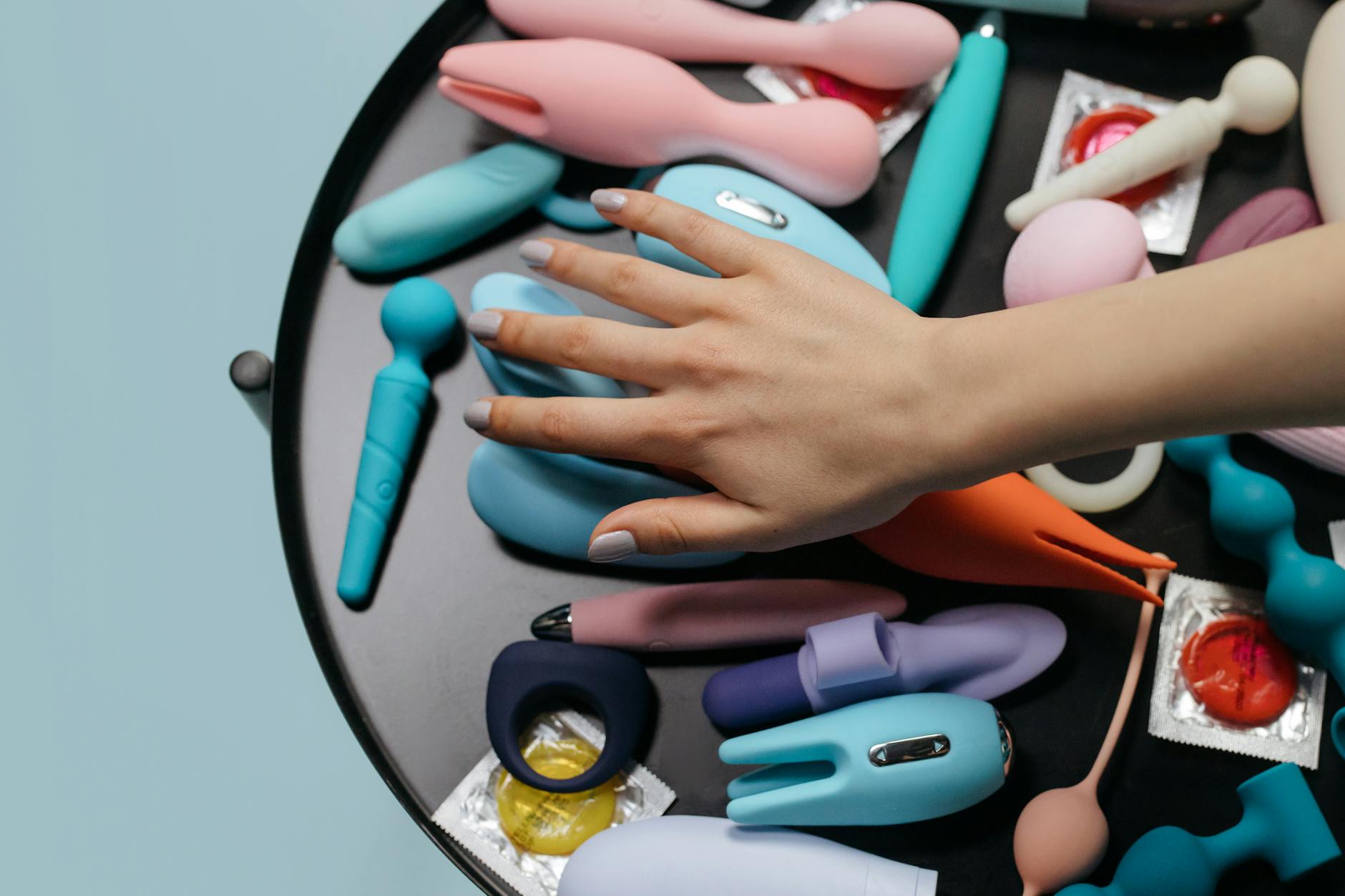
Photo by cottonbro studio on Pexels
Rebuilding nervous system trust after medical trauma
Here's something most guides skip: your nervous system is hypervigilant right now. Surgery = controlled trauma. Even routine procedures trigger fight-or-flight responses in your body. Your pelvic floor tightens. Your clitoris withdraws slightly. Your brain is screening every sensation for danger.
Using a lemon vibrator isn't just about physical stimulation. It's about teaching your nervous system that this area can feel good again without threat.
This takes time. And it requires patience with yourself that feels almost clinical. You're not trying to orgasm yet. You're not trying to feel what you used to feel. You're noticing. You're building safety. You're rewiring the association between that part of your body and pleasure instead of pain or fear.
Some people find that 5-10 minutes of gentle lemon vibrator use, a few times a week, gradually shifts this. The suction sensation becomes familiar. The intensity dial becomes something you control. Pleasure starts feeling like a choice again, not a medical outcome.
That shift is the actual recovery.
Working with a partner through this (or not)
If you have a sexual partner, this is worth a separate conversation. Not a "let's fix this together" conversation. A "here's what I need" conversation.
What many people need is permission to explore recovery alone first. Your partner can feel like pressure, even if they don't intend to. Even if they're being patient. The presence of someone else changes your nervous system's threat assessment. You're not just healing from surgery. You're managing their comfort, their desire, their timeline.
Solo exploration with a lemon vibrator removes that variable. You get to rediscover your own pleasure without an audience, without responsibility to perform or respond. That's not selfish. That's recovery.
If and when you want to reintroduce partnered sex, you'll have actual data about what feels good now, which direction matters, what pace works. That's infinitely more useful than guessing together.
When sensation is still muted months later
Sometimes surgical recovery comes with unexpected nerve changes. Numbness lingers. Sensation feels flattened or shifted to new areas. This is real. It's also often temporary, though "temporary" can mean 6 months or a year.
A lemon vibrator's graduated suction can help you hunt for sensitivity. Because the sensation is distributed across a wider area than traditional vibration, you might find that sensation is less muted, just relocated slightly. You're asking your body questions instead of assuming the old answers apply.
If numbness persists beyond 3-4 months post-op, flag it with your surgical team. There are specialists (pelvic physical therapists, especially) who work with post-surgical sensation recovery. A lemon vibrator can be part of that toolkit, but professional guidance helps.
Grief is part of recovery too
I want to name something that guides usually skip. You might rebuild pleasure with a lemon vibrator and feel sad about it. Not because it doesn't work. But because your body changed. Because you had to relearn something that used to be automatic. Because the experience is different now, even if it's good.
That's grief. It's valid. It's not a sign something's wrong.
The goal isn't to pretend recovery feels like nothing happened. The goal is to integrate the fact that something did happen, your body has changed, and pleasure is still available on the other side. Different doesn't mean worse. Often it means more intentional, more knowing, more fully yours.
Common questions about post-surgical pleasure recovery
Should I tell my doctor I'm using a toy during recovery? Yes, especially if you're in the first 8 weeks or if you're dealing with complications. Your doctor has information about your specific surgical approach that changes the safety calculation. In general, external clitoral stimulation is fine earlier than internal penetration, but your procedure might be different.
Is it normal to feel panicky when I start using a lemon vibrator again? Completely normal. Your nervous system associates that area with medical procedures, pain, vulnerability. A vibrator reintroduces pleasure, which can trigger old fear responses. That panic usually fades with repeated safe experiences. If it intensifies or doesn't improve after a few sessions, that's worth exploring with a therapist.
Can I use the same lemon vibrator I used before surgery? Yes, as long as it's clean. Some people find it helpful to start with a fresh toy just for symbolic reasons. Psychological permission matters. But functionally, a clean lem vibrator from before is fine.
How long until pleasure feels normal again? That depends on the surgery, your individual healing, and your starting point. For external clitoral stimulation with a lemon vibrator, many people report meaningful improvement within 8-12 weeks. Full integration can take longer. Patience is the actual tool here.
Is it okay to use a lemon vibrator alone, even if I have a partner? Not only okay, it's often the most responsible choice. Partnered sex reintroduction is a separate step. Solo recovery first gives you clarity about what actually feels good. That clarity makes partnered sex better.
What if I never want partnered sex again after surgery? That's also valid. Surgery sometimes clarifies that the old relationship dynamic wasn't serving you. Or that your pleasure is enough on its own. A lemon vibrator can be part of a fully satisfying solo practice. You don't need to be building toward anything else.
Moving forward: recovery is not a line
Healing from gynecological surgery isn't linear. You'll have days where pleasure feels easy and days where your body feels like a stranger. A lemon vibrator isn't a magic fix. It's a tool for exploring sensation on your terms, at your pace, in a way that honors both your body's physical healing and your nervous system's need to reestablish safety.
The point is this: you get to rebuild pleasure. Not restore it exactly as it was. Rebuild it, differently, for whoever you're becoming.
If you're navigating complex questions about emotional intimacy and recovery, or working through partnership challenges during this healing time, consider reaching out. There's real support available.