Let's talk about what pelvic floor physical therapy actually did
You spent weeks or months doing exercises that probably felt strange, uncomfortable, or even boring. A therapist worked through tension you didn't know you were carrying. Maybe there was pain involved. Maybe you're still adjusting to the idea that your pelvic floor needed this kind of attention in the first place.
The good news: healing happened. The complicated part: pleasure doesn't automatically come back the moment you finish your last session. Your body learned new patterns, and now it needs permission to remember the old ones.
The gap between "healed" and "ready for pleasure"
Pelvic floor physical therapy teaches your body to release and relax. That's the whole point. But for a lot of people, that skill feels completely separate from sensation, arousal, and orgasm. It's not. They're deeply connected. When your therapist spent months helping you soften tissue that was gripped too tight, they were also changing how your nervous system responds to touch.
Here's what gets confusing: your pelvic floor is now MORE sensitive than it was before. That's not a problem. That's actually the goal. But sensitivity without the right context can feel overwhelming, especially if you're reintroducing vibration or any kind of device.
I see this in my practice all the time. Someone finishes PT, feels relief, and then tries to jump back into their old pleasure routine. Their body says no. Not because they're broken again. Because everything is reset.
Why a lemon vibrator specifically helps post-therapy
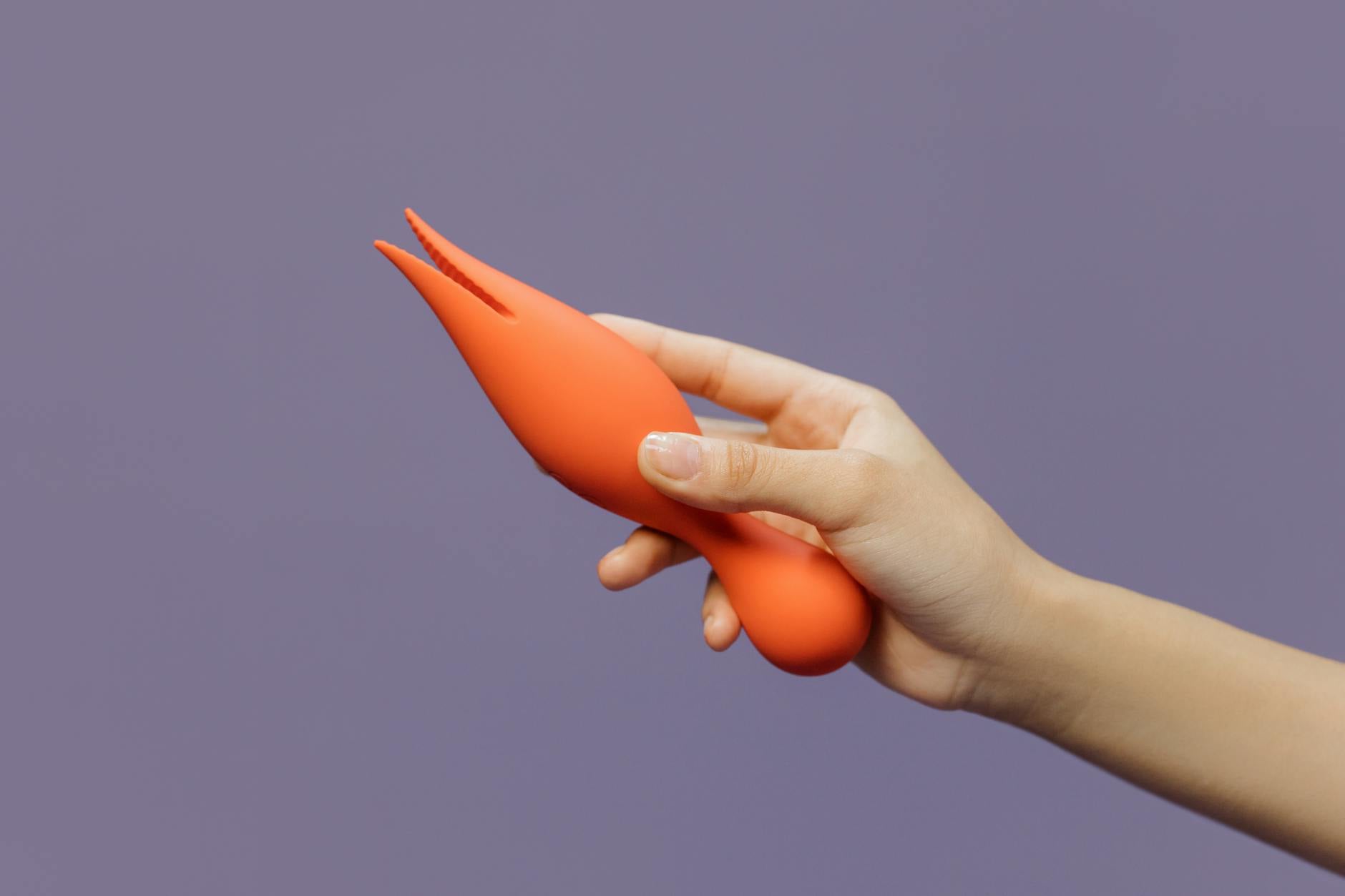
Three reasons a clitoral vibrator like the Lem works better than going solo right now:
1. Suction doesn't require the same kind of voluntary muscle control. Traditional vibration asks your muscles to engage and release in rhythm. After PT, your pelvic floor is learning a new relationship with that rhythm. Suction stimulates nerves without that demand. It's gentler on the relearning process.
2. Consistent sensation beats variable touch. Your own fingers are unpredictable. Pressure changes. Tempo changes. Your mind wanders. A device gives you one consistent pattern to focus on, which is easier on a nervous system that's been through rehab.
3. It puts you in charge of the narrative. One of the hardest parts of pelvic floor PT is surrendering to someone else's touch and expertise. A toy is your tool. Your pace. Your intensity. That agency matters for rebuilding confidence in your own body.
The timeline: when to actually start
If your PT ended and you got the all-clear, you're physically ready. But "ready" and "ready ready" are different things.
Wait at least one week post-therapy before trying any kind of vibration. I know that's frustrating. Your body needs that time to settle into its new normal without added stimulus. Use that week to reconnect with non-sexual touch. A partner's hand. Your own hands. Warm baths. Nothing with an agenda.
After that week, you can start reintroducing sensation. But not all at once.
How to actually use a lemon vibrator after PT
Week one: Explore without turning it on.
Sound weird? It's not. Hold the device. Feel the shape against your skin. Let your body remember that external tools can feel good. No vibration. Just presence. This is about rebuilding trust in your own nervous system.
Week two: Lowest setting, shortest duration.
Turn it on at pattern one or two (the most gentle options on most clitoral vibrators). Thirty seconds. That's it. Notice how your pelvic floor responds. Does it grip? Does it soften? There's no right answer. You're gathering information.
Increase to one minute the next day. Then two minutes. Stay at the lowest settings. You're not trying to reach orgasm. You're trying to rebuild the pathway between sensation and response.
Week three and beyond: Gradual progression.
Once you're comfortable at the lowest setting for five minutes without tension building, try pattern three or four. Let each progression sit for a few days before moving up. Your pelvic floor is learning again. Slow matters more than intensity.

Photo by Ron Lach on Pexels
What your body might tell you during this process
Gripping or tension: This is the most common response. Your pelvic floor is protective right now. It learned to tighten during therapy, and old patterns don't die overnight. If this happens, pause the device. Breathe. Try again tomorrow at an even lower setting. There's no rush.
Numbness or reduced sensation: This can happen if PT addressed nerve irritation. Usually it resolves within days or weeks as inflammation continues to decrease. A clitoral vibrator actually helps. The stimulation wakes those nerves back up.
Unexpected emotional response: Healing trauma stored in your body sometimes comes out sideways. You might feel tears, anger, or sadness during or after using a vibrator. That's not failure. That's integration. Sit with it. It passes.
No sensation at all: If you're using the lowest settings and feeling nothing after two weeks, talk to your PT. This can mean inflammation is still present or nerve response is slower than expected. They might recommend waiting longer or adjusting your home exercises.
The partner dynamic after PT
If you're partnered, this is a good time to separate two conversations. Conversation one: "My body recovered and is learning new things." Conversation two: "I want us to reconnect physically." Don't make the second one dependent on the first.
Using a lemon vibrator solo after PT isn't selfish or a sign you're not ready for partnered sex. It's the opposite. It's how you rebuild your own baseline so that partnered pleasure doesn't feel like pressure.
If you do want to explore with a partner, introduce the device the same way you introduced it to yourself. Lowest settings. Short duration. Their job is to be present, not to push you anywhere.
When to loop your PT back in
If after three weeks at graduated intensity levels you're still experiencing pain, significant gripping, or feeling like something's wrong, tell your therapist. This isn't failure. Sometimes PT needs a follow-up session to fine-tune what's happening. That's normal.
The same goes if pleasure isn't returning. Your PT can assess whether there's remaining tension, inflammation, or nerve irritation that needs attention. Some people benefit from a few maintenance sessions post-discharge.
Your pleasure matters enough to get the support you need.
Why this matters beyond just feeling good
Let's be honest: reclaiming pleasure after pelvic floor therapy isn't just about orgasms. It's about proving to yourself that your body is yours again. That healing isn't the end of sensation. That recovery doesn't mean permanent restriction.
When you use a lemon vibrator thoughtfully post-PT, you're not just stimulating nerves. You're rewiring the story you've been telling yourself about what your body can do. That story shift is the real work.
People also ask
Can I use a lemon vibrator immediately after finishing pelvic floor physical therapy?
Physically, maybe. Practically, probably not. Your body needs at least a week to settle without new sensation input. Even then, start with the device turned off. Think of it like returning to exercise after an injury. You don't sprint on day one. You walk first.
Will vibration undo the progress my PT made?
No. Vibration won't undo healing. What matters is the intensity and pacing. Gentle stimulation actually reinforces healthy pelvic floor function by helping your muscles learn to relax in response to sensation instead of gripping.
What if my pelvic floor tenses up when I use a lemon vibrator after therapy?
Tension is a protective response, not a sign you're broken. Your nervous system is being cautious. Lower the intensity, shorten the duration, and try again in a day or two. Gripping usually decreases as your body realizes vibration isn't a threat.
Is it normal to feel emotional or cry during or after using a clitoral vibrator post-PT?
Yes. Your pelvic floor holds stress, trauma, and protection. As it heals, stored emotions sometimes surface during moments of pleasure. That's not something to stop. It's something to let happen. Sit with it. It moves through.
How do I know if I'm progressing too slowly or too fast?
Too slow: You're still at the lowest setting after four weeks with zero progression and you feel completely ready to increase. Too fast: You're experiencing pain, significant gripping, or emotional overwhelm. There's no rush. Your baseline will shift. Just keep checking in with yourself honestly.
Can I use my lemon vibrator with a partner after pelvic floor PT?
Absolutely. But introduce it to yourself first. Once you're comfortable solo at moderate settings, you can explore with a partner using the same gentle, graduated approach. Their role is to be present, not to convince you or push intensity.
The short version
Your pelvic floor physical therapy worked. Now comes the part nobody talks about: relearning what pleasure feels like in a healed body. Start low. Go slow. A lemon vibrator designed for sensitivity gives your nervous system a safe way to remember that touch can feel good without being threatening. Your body will find its way back. Trust the process.