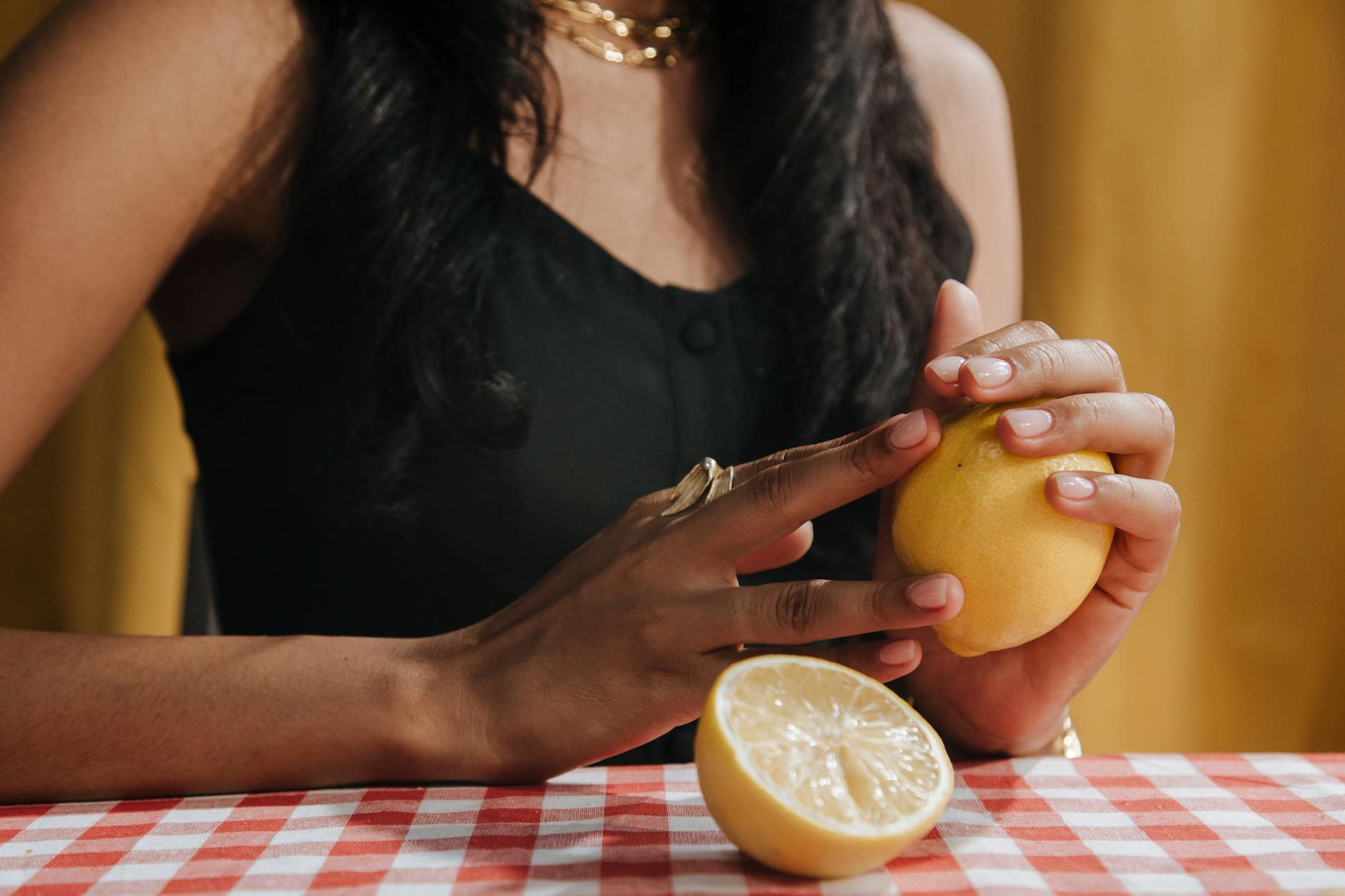
Let's talk about what happens when your body needs time to recover
Surgery and injury change your relationship with your body. For a while, that relationship is about pain management and healing. Then comes a strange in-between phase where you're technically recovered, but pleasure feels unsafe, or impossible, or something you'll get back to eventually.
Here's the thing: you don't have to wait until you're "fully healed" to reconnect with sensation. In fact, gentle, supported pleasure can be part of healing itself.
Why pleasure matters during recovery
When you're healing from surgery or injury, your nervous system is in a heightened state. Blood is redirected to the injury site. Inflammation rises and falls. Your brain is processing physical trauma alongside whatever emotions came with it. All of that makes pleasure feel distant or even forbidden.
But here's what research keeps showing: gentle sexual pleasure actually helps with recovery. It boosts circulation, releases oxytocin (which reduces pain perception and helps with emotional regulation), and sends a message to your nervous system that your body is safe again. That signal matters more than most people realize.
The key word is gentle. That's where most people get stuck. They don't know what gentle actually looks like.
The timeline that actually makes sense
Your surgeon probably gave you a clearance date. That's useful but incomplete. Medical clearance means "your wound is closed and your tissues aren't at immediate risk." It doesn't mean "you're emotionally ready" or "your nervous system is calm" or "your body can handle the same things it could before."
Think of it in phases instead.
Phase One: Clearance to touch. Your doctor gives the go-ahead. You can take baths. You can touch the area without pain. This is when you might start with non-penetrative sensation. A lemon clitoral vibrator on the lowest setting, used externally only, works really well here because it gives you sensation without pressure or intensity.
Phase Two: Sensation without goal. You're using your vibrator, but not to reach orgasm. You're just noticing what feels good, what feels like nothing, what feels wrong. Most people skip this phase and pay for it. Don't skip it.
Phase Three: Returning to pleasure. Now you're building toward sensation, arousal, and orgasm if that's what you want. You know what intensity you can handle. Your body has relearned the pathway.
How a lemon vibrator fits into each phase
The reason I recommend a lemon sucker or lemon clitoral vibrator for post-recovery pleasure is mechanical. Suction stimulators like the Lem don't rely on direct pressure or friction. Instead, they create a gentle pulse of pressure and release that simulates the way your body naturally responds to arousal. That means less mechanical stress on healing tissue.
Vibrators, by comparison, create continuous stimulation that can feel overstimulating if you're starting over.
Early recovery: Start with the Lem on pattern one (the lowest, slowest setting). Spend 5-10 minutes just feeling the sensation. No pressure to orgasm. No expectations. If you're recovering from pelvic surgery, keep stimulation external only for the first few weeks. If you're recovering from non-pelvic surgery or injury, you might feel comfortable with penetration sooner, but listen to your body's answer, not the timeline.
Mid-recovery: Move to patterns two and three. Your nervous system is learning that sensation is safe. Your body is starting to remember how to respond. This is where you might start to notice arousal building. If it doesn't build, that's normal. Your hormones are still recalibrating.
Later recovery: Now you can experiment with the higher patterns, longer sessions, and the kind of pleasure that feels good to you specifically. Some people want intense sensation again. Some discover they prefer gentler stimulation now. Both are fine.
The emotions that show up
Honestly, the physical part is sometimes easier than the emotional part. You might feel:
Grief about what your body used to be able to do. Fear that you've lost something permanently. Anger that recovery takes longer than you expected. All of that is real, and using a vibrator won't fix it. What a vibrator can do is remind you that your body is still capable of feeling good.
If you're partnered, you might feel pressure to return to the way sex was before. That's not fair to yourself. Recovery is a real reset. Some couples find that rebuilding pleasure slowly creates better communication and more intentional intimacy than they had before.
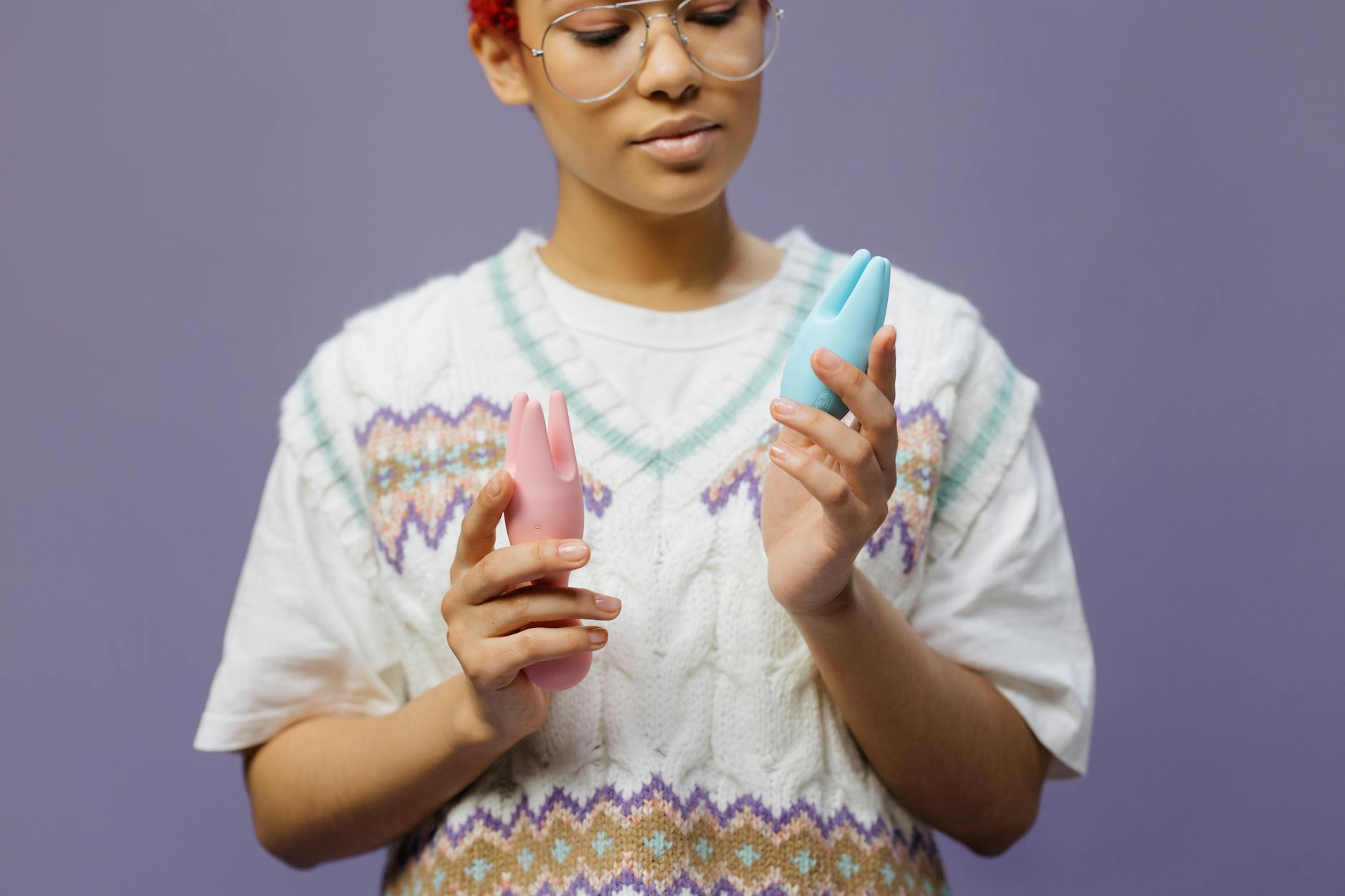
Photo by cottonbro studio on Pexels
What to avoid
Don't push through pain. There's a difference between "this feels awkward" and "this hurts." Awkward means your body is still remembering. Pain means something isn't ready yet.
Don't use rough lube. Water-based lubricant is essential after surgery because it's gentle and won't damage healing tissue. Silicone-based lubes can linger and create irritation. Oil-based lubes trap bacteria. Stick with water-based, always.
Don't compare your recovery to anyone else's. Someone else might feel ready in three weeks. You might need eight. That's not weakness. That's your nervous system being honest.
Don't ignore pain signals from your partner. If you're recovering from an abdominal or pelvic surgery and you're with a partner, communicate exactly where you are. "Gentle on the left side" or "external only, please" or "I need to stop" are all things that matter.
When to talk to a doctor
If you're bleeding or experiencing new pain when you try to use a vibrator, stop and check in with your surgeon. Some surgeries mean longer waiting periods than others. Gynecological surgery, rectal surgery, and abdominal surgery often need more time than people realize.
If you're having trouble with sensation or response weeks into recovery, ask your doctor about pelvic floor physical therapy. After certain surgeries, the pelvic floor tightens protectively, which can make pleasure feel impossible. A pelvic floor therapist can help you unwind that.
If anxiety is preventing you from even trying, a therapist who specializes in trauma or somatic work can be incredibly useful. Sometimes your nervous system needs more than just time.
The story you tell yourself matters
Here's what I've seen work: approach your recovery as a chance to rediscover your body, not a race to get back to "normal." When you come back to pleasure slowly, with tools like a lemon vibrator that meet you where you are, something shifts. Your body stops feeling like something that was broken and starts feeling like something that's healing.
Your pleasure matters. It matters enough to go slowly. It matters enough to be specific about what you need. It matters during recovery, not just after it.
People also ask
How long after surgery can I use a lemon clitoral vibrator?
Most surgeons clear patients for sexual activity between four to six weeks post-op, but that's medical clearance. Emotional and physical readiness are different. Start light at clearance if you feel ready, but there's no rush. Some people wait eight weeks or longer. Your nervous system's comfort matters more than hitting a timeline. When you do start, use the lowest setting on your lemon vibrator and external stimulation only until you feel ready for more.
Will using a vibrator make my recovery take longer?
No. Gentle sexual pleasure doesn't delay healing. In fact, the increased blood flow and oxytocin release can support recovery. The key is "gentle." If you're using a vibrator in a way that's causing pain or putting pressure on your incision site, that could be a problem. But using a lemon sucker on a low setting externally won't interfere with your healing.
Can I use the Lem or other lemon vibrators right after I get clearance?
You can introduce a lemon clitoral vibrator at medical clearance, but ease in. Start with the lowest pattern, shortest session (5-10 minutes), and external stimulation only. Pay attention to how your body responds. Some people feel ready immediately. Others need to wait another week or two for their nervous system to feel safe. This is where listening to yourself matters more than following instructions.
What if I'm having pain when I try to use a vibrator during recovery?
Stop and don't try again that day. Pain is your body's way of saying something isn't ready. Check in with your surgeon if the pain is near your incision site or if it's sharp. If it's more of a nervous system response (anxiety-based tension), that's different and might need a different kind of support, like breathing work or pelvic floor therapy.
Is it normal to lose interest in pleasure during recovery?
Completely normal. Surgery is trauma, even planned surgery. Your body is redirecting energy to healing. Your nervous system is in a heightened state. Add medication side effects, pain, and emotional stress, and desire just disappears for a while. This comes back. Don't panic if you're not interested in using your lemon vibrator for a few weeks or months. Your body knows what it needs.
Can I use a lemon vibrator with a partner during recovery?
Yes, but communication is essential. Tell your partner exactly what's comfortable, what's off-limits, what areas are still healing. Using a vibrator together can actually deepen connection during recovery because it takes pressure off penetrative sex and lets you rebuild pleasure slowly. The lemon clitoral vibrator is great for partner use because it's easy to control and lets your partner see exactly what you're responding to.
You're not starting over. You're starting again.
There's a difference. Starting over means forgetting what you knew about your own pleasure. Starting again means rebuilding that knowledge with a body that's slightly different now.
Maybe your body is stronger. Maybe it's more sensitive. Maybe it responds differently to touch. That's information, not a loss. When you use a lemon vibrator during recovery, you're not trying to get back to the way things were. You're discovering what they can be now.
If you want support navigating intimacy during recovery or have questions about which vibrator might work best for your specific situation, reach out to the team. That's what we're here for.