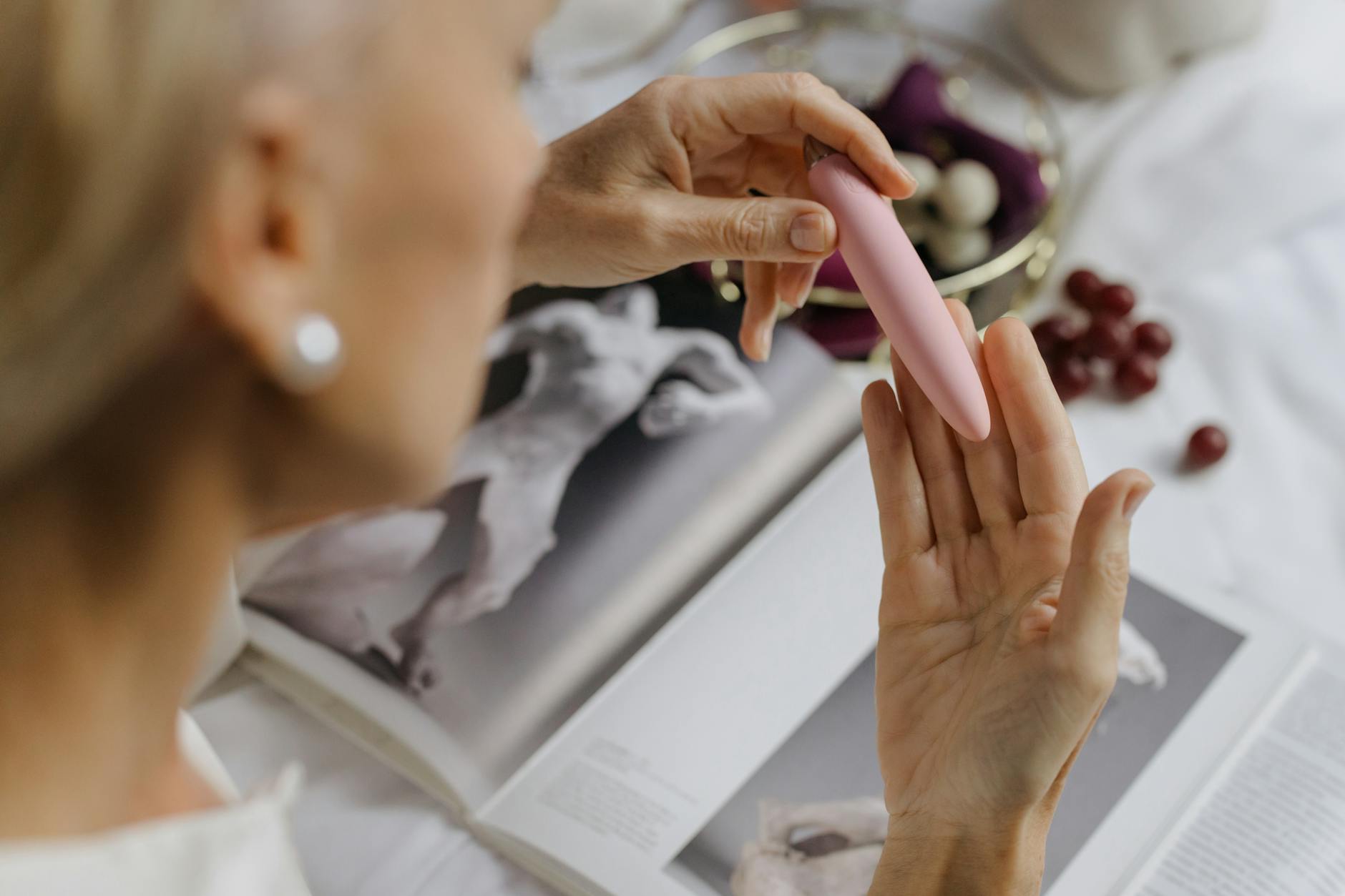
How to Use a Lemon Vibrator for Better Sensation When Pregnant or Postpartum
Let's be real. Nobody talks about what happens to your sex life during pregnancy and after birth. The medical side gets covered in checkups. The emotional side gets acknowledged in support groups. But the purely physical stuff—what your body actually feels like, what turns you on, what hurts—stays mostly in the dark.
I work with couples navigating this transition constantly. And what I see most often is confusion, not knowledge. Partners want to stay connected. Bodies are changing. And there's this weird gap between what people expect to happen and what actually does.
Here's the thing: using a clitoral vibrator like the Lemon during pregnancy or postpartum isn't about forcing yourself to feel sexy when you don't. It's about understanding what your body is doing right now and giving yourself access to sensation and pleasure safely, on your own terms.
What pregnancy actually does to sensation
You're not imagining it if sex feels different when you're pregnant. Here's what's happening underneath.
Increased blood flow to the pelvic area during pregnancy can actually make sensation more acute. Some pregnant people report heightened arousal and stronger orgasms. Others experience the opposite. Fluctuating hormones affect your nervous system's baseline sensitivity. Progesterone rises, which can reduce overall sexual desire. Estrogen surges, which can increase it. You're hosting two contradictory hormonal events simultaneously.
Add to that: your body is literally expanding. The vulva can swell. The vagina lengthens and changes texture. Your center of gravity shifts. Certain positions become uncomfortable. Penetration might feel different in depth or angle. And the psychological weight of pregnancy—body image, anxiety about the baby, fatigue—mixes in with everything else.
The physical bandwidth you have for arousal shrinks, even if the capacity for pleasure stays the same.
Why a lemon vibrator works during pregnancy
Three reasons stand out.
Suction doesn't require penetration. A clitoral vibrator that works by suction—like the Lemon—stimulates the clitoris without needing anything inside you. During pregnancy, when penetration might feel uncomfortable or off-limits, suction lets you access orgasm without pressure on your cervix or compromised pelvic floor.
It's faster. When you have 15 minutes and you're exhausted, you need tools that don't require a long warm-up. The Lemon gets to intensity quickly. You can control exactly how much sensation you want, which matters when your tolerance for intensity shifts week to week.
It's completely external. There's no object inside you, no pressure on baby, no awkwardness about what's "safe." Many OBs and midwives actually recommend external stimulation during pregnancy as safer than penetration, especially in the third trimester. A lemon sexual toy addresses that directly.
The postpartum difference
Sensation changes again after birth—differently depending on how you delivered.
If you gave birth vaginally, especially with tearing or an episiotomy, the area is swollen and tender for weeks. Even after it heals, scar tissue can change sensation permanently. Some people report numbness. Others report increased sensitivity that's actually painful. Kegel exercises help, but they take time to rebuild the pelvic floor's strength and coordination.
If you had a cesarean, your core is healing from abdominal surgery. Certain positions trigger pain. The hormonal crash postpartum—estrogen and progesterone plummeting while prolactin rises—reduces sexual desire significantly, especially if you're breastfeeding. Add sleep deprivation and touch fatigue (baby is constantly touching you), and the idea of orgasm might feel like a chore rather than a reward.
Yet many people want to reconnect with pleasure. Not out of obligation to a partner. Out of wanting to remember what their body can do when it's not in survival mode.
A clitoral vibrator helps because it's low-pressure and high-reward. You're not waiting for arousal to build naturally. You're not negotiating positions or timing around healing tissue. You're simply activating the nervous system in a way that feels good—which it can, even postpartum.
How to use a lemon vibrator safely during pregnancy
First, check with your doctor. Most OBs say external vibration is fine throughout pregnancy. Some might recommend avoiding it in the third trimester if there's a preterm labor risk. The conversation takes five minutes and removes the guesswork.
Once you've got clearance, here's what works.
Start gentle. Use the lowest suction setting. Your sensitivity is heightened, and fatigue lowers your tolerance for stimulation. What felt pleasant at three months might feel overwhelming at eight months. Let your body lead.
Use lube. Increased blood flow means more natural lubrication, but external stimulation still benefits from added slickness. Water-based lube reduces friction on already-tender tissue. It also makes cleanup easier.
Avoid penetration entirely. The whole point of using a lemon clitoral vibrator during pregnancy is to sidestep the penetration question. Don't combine it with fingers or toys inside. Keep it external and focused.
Build in rest time. Orgasms during pregnancy can trigger mild uterine contractions. That's normal and not dangerous, but if you feel uncomfortable, stop. Your pleasure isn't worth anxiety. The Lemon's quick intensity means you don't need long sessions anyway.
Be honest with your partner. If you're using a vibrator, tell them. Not because you're doing anything wrong—you're not—but because transparency keeps couples connected. You might say: "I'm using this because my body's changing and I want to stay in touch with pleasure" rather than leaving them guessing.
The postpartum comeback
Waiting until you're cleared for sex (usually 6 weeks after vaginal delivery, 6-8 weeks after cesarean) doesn't mean you can't use a vibrator.
Honestly though, use the first month or two just to rest. Your body has done enormous work. Let it heal without the added stimulation.
Once you're cleared, ease back in gradually. Your pelvic floor is weaker. Your tissues are healing. Your hormones are resetting. Start with external stimulation only—which is where the Lemon shines. Use low settings. Stop if anything feels sharp or wrong.
Many postpartum people find that external vibration helps them reconnect with sensation faster than waiting for natural arousal to return. You're not forcing anything. You're just giving your nervous system a gentle cue: pleasure is still available to you.
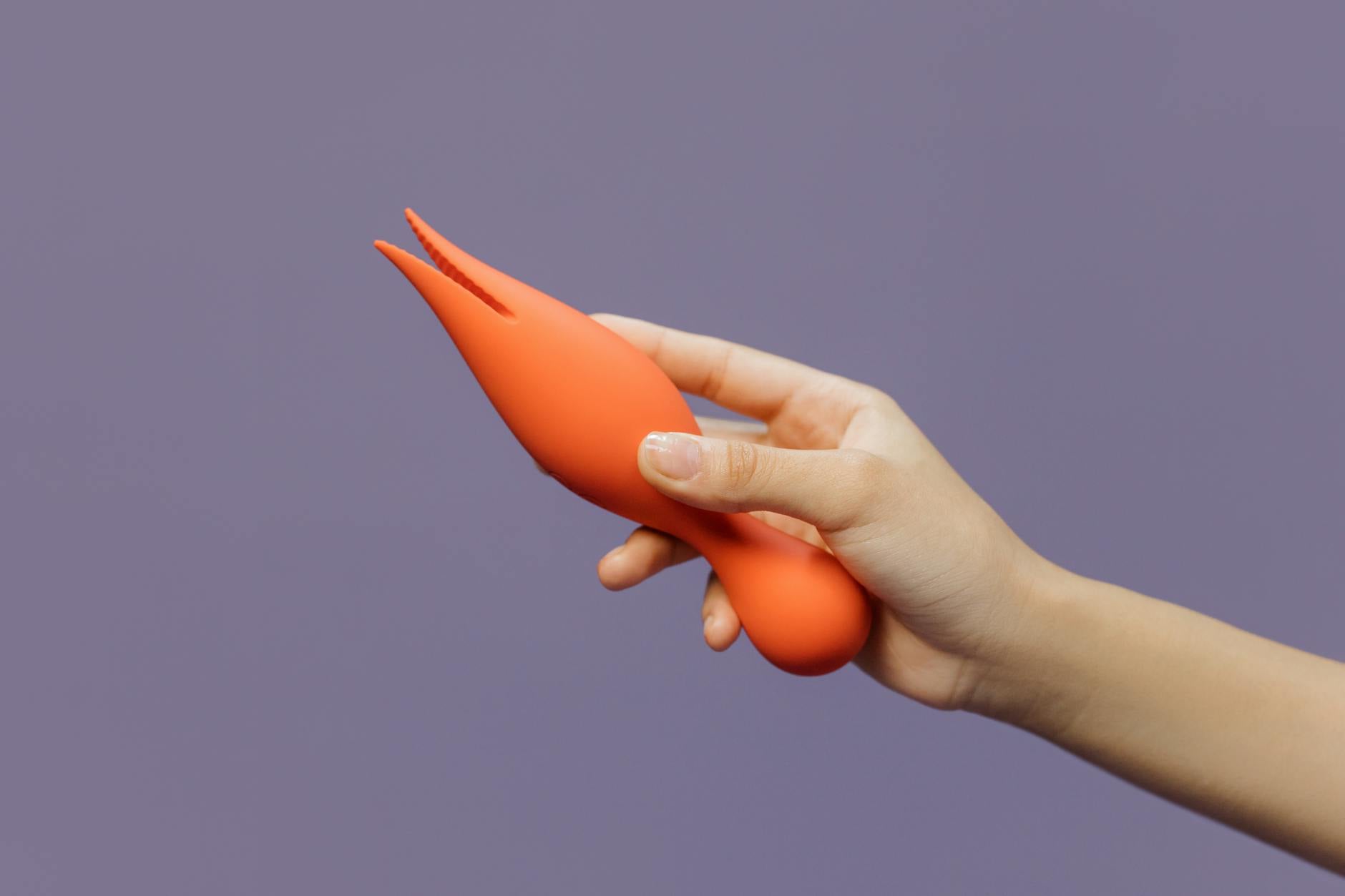
Photo by cottonbro studio on Pexels
When sensation doesn't come back as expected
Sometimes postpartum numbness lingers longer than expected. Or sensitivity becomes hypersensitivity—touch that should feel good feels painful instead. This isn't uncommon, especially if there was significant tearing or if you're still dealing with pelvic floor dysfunction.
That's when a lemon vibrator becomes more than a pleasure tool. It becomes a rehabilitation tool. Using external suction at very low intensity, consistently, can help rewake sensation and rebuild neural pathways. Think of it as physical therapy for arousal.
If numbness doesn't improve after three months postpartum, mention it to your doctor. Pelvic floor physical therapy can help. Sometimes it's just time. Occasionally it's a sign of nerve damage that needs attention.
The partner conversation
If you're in a relationship, using a lemon vibrator during pregnancy or postpartum changes the dynamic. You're prioritizing your own pleasure in a moment when your body is under stress. That's good boundary-setting. It also means your partner might feel sidelined.
Here's what actually helps: separate the conversations. One conversation is: "My body is healing and I need space to reconnect with sensation alone." That's true and valid. A different conversation is: "I want us to stay connected as a couple." Those aren't contradictory—they just need different solutions.
Using a vibrator alone sometimes actually makes it easier to stay connected as a couple later, because you're not waiting around for desire to magically return on its own.
The postpartum pleasure timeline
Expect this rough shape:
Weeks 1-6: healing, no sexual activity, your body is focused on recovery.
Weeks 6-12: cleared for sex by your doctor, but desire is still low. External stimulation alone, for 10-15 minutes, feels manageable.
Months 3-6: desire starts returning as hormones stabilize (especially if you're not exclusively breastfeeding). You might start wanting partnered sex again. Vibration can enhance that.
Month 6+: most people report sensation fully returning, though it may feel different than before. Scar tissue has settled. Pelvic floor is stronger. Arousal patterns are clearer.
This timeline varies wildly. Some people feel ready for full sexuality at eight weeks. Others take a year. Both are normal.
FAQ: Pregnancy, Postpartum, and Lemon Vibrators
Is it safe to use a lemon vibrator while pregnant?
Yes, external clitoral vibration is generally safe during pregnancy once you've checked with your OB. The vibration doesn't affect the baby. The suction stimulates only the external clitoris. No object enters the uterus. Most doctors give clearance unless there's a specific pregnancy complication like preterm labor risk or incompetent cervix. If your doctor says no, that's the right answer for your situation. If they say yes, you're fine.
Can vibration cause early labor or miscarriage?
No. External vibration doesn't trigger labor. Orgasms during pregnancy cause mild uterine contractions—the same ones you feel naturally every day—which are not labor. Miscarriage risk is not increased by vibration. The idea that sexual activity causes miscarriage is largely myth. If your pregnancy is healthy, arousal and orgasm are fine.
What if I have pain with the vibrator postpartum?
Stop immediately. Pain means something isn't ready yet. That might be scar tissue, infection, or your pelvic floor being in a protective spasm. Call your doctor. They might recommend pelvic floor physical therapy or suggest waiting another few weeks. Pain is information. Don't push through it.
Will using a vibrator while pregnant affect my partner's interest in sex?
Not inherently. But how you communicate about it affects everything. If you say "I'm using this because I'm exhausted and don't have the bandwidth for partnered sex right now," that's a conversation starter. If you hide it and your partner finds out, it becomes something else. Transparency actually strengthens couples through pregnancy and postpartum.
Can I use lube with a lemon vibrator if I'm pregnant?
Absolutely. Water-based lube is safe during pregnancy. It reduces friction and makes sensation feel smoother. Some water-based lubes are specifically formulated for sensitive skin, which is worth seeking out if you're already tender. Avoid oil-based lubes and silicone-based lubes with silicone toys—stick with water-based.
How long after postpartum bleeding stops can I use a vibrator?
Your doctor will clear you for sexual activity, usually around six weeks postpartum. You can use a vibrator at that point. That said, if you're still bleeding heavily or have signs of infection, wait. If you feel emotionally ready but physically not there yet, it's okay to wait longer. Your body will tell you.
The bigger picture
Pregnancy and postpartum are transitions. Your body is doing something extraordinary. Pleasure doesn't disappear during transitions. It just changes shape.
Using a clitoral vibrator—whether it's a lemon vibrator or another style—isn't about forcing yourself to feel sexy when you don't. It's about staying in relationship with your own body when it's changing. It's about remembering that sensation and pleasure are available to you, even when everything else feels uncertain.
Most of the couples I work with who prioritize their own sensation during this period actually reconnect faster afterward. Not because the vibrator is magic. Because they've stayed in touch with themselves, which makes it easier to stay in touch with a partner.
Your body deserves that attention. Take it.