Let's start with the thing nobody tells you about pelvic floor dysfunction
Pelvic floor tension doesn't just hurt. It numbs you. When the muscles around your vulva, vagina, and perineum are locked in a chronic grip, the nerves that carry pleasure signals get compressed. You can touch yourself, use a vibrator, even have partnered sex, and feel almost nothing. It's not that you've lost capacity for pleasure. The pathway is just blocked.
That's the frustrating part. The good news is that sensation comes back. I've worked with dozens of people recovering from pelvic floor dysfunction, and almost all of them regain full sensation once the tension releases. The trick is using the right recovery strategy, pacing it correctly, and choosing tools that support the process instead of fighting it.
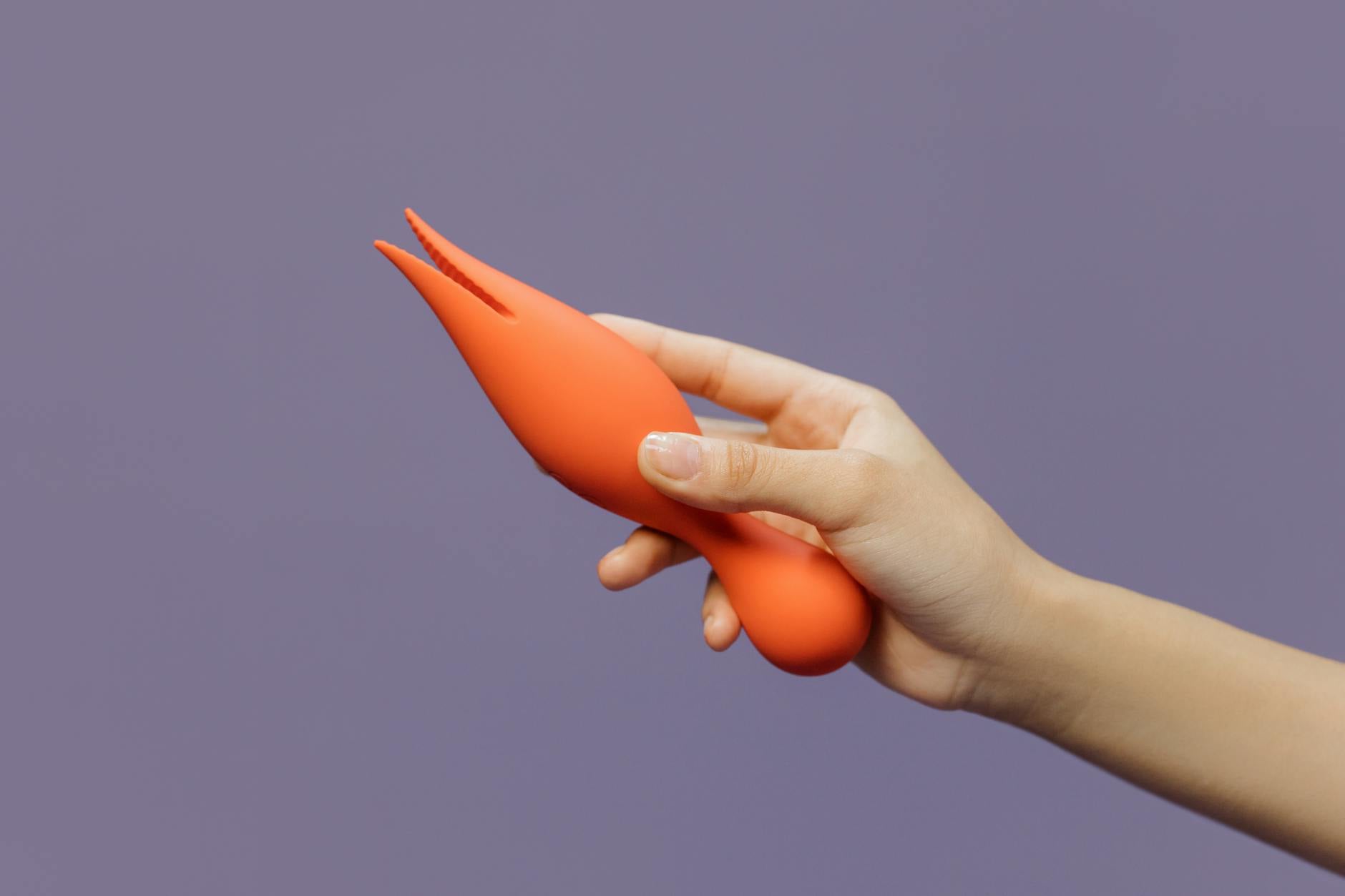
A lemon vibrator, used the right way, can be that tool.
What pelvic floor dysfunction actually does to sensation
Your pelvic floor is a hammock of muscles that sits beneath your pelvis. When everything's working normally, these muscles contract and release in rhythm with arousal and orgasm. But with dysfunction, they get stuck in partial contraction. Imagine holding a tight fist for eight hours straight. That's what's happening below.
This chronic tension has three effects on pleasure:
First, it blocks nerve signals. The pudendal nerve, which carries sensation from your clitoris and vulva, gets compressed when pelvic floor muscles are tight. Sensation becomes muted, distant, hard to access.
Second, it makes arousal slower. Blood flow to genital tissues depends partly on pelvic floor relaxation. When the muscles won't release, less blood reaches the clitoral network, and you need more stimulation to trigger a response.
Third, it changes orgasm itself. Even if you do orgasm, it might feel shallow, localized, or incomplete because the muscles that usually orchestrate the full-body experience are already engaged. You're trying to squeeze muscles that are already squeezed.
Here's what stays the same: your capacity for pleasure, your desire, and your sensitivity to the right kind of touch. Those don't go anywhere. They're just waiting for the tension to clear.
Why a lemon vibrator is different during recovery
Not all vibrators are equal when you're rebuilding sensation after pelvic floor dysfunction. Most wand vibrators and bullet vibrators rely on broad, fast vibration. During recovery, that can trigger pelvic floor guarding, making muscles tighten even more.
The lemon clitoral vibrator uses a different mechanism: suction or air-pulse stimulation. Instead of vibrating directly against tissue, it creates a gentle sucking sensation that works with your nervous system rather than against it. This matters because:
Suction doesn't trigger the same protective muscle response as direct vibration does. Your pelvic floor is less likely to clench when you're using gentle air pulses.
The sensation is more diffuse, which means it bypasses hyper-focus on a single tight point. With a lemon vibrator, pleasure spreads through the clitoral complex instead of concentrating in one anxious zone.
You have fine control over intensity. A lemon vibrator typically has five to seven speed settings, and you can start at pattern one without feeling like you're using a toy made for someone else's body.
Building a recovery timeline that actually works
Here's where most people rush. They finish pelvic floor physical therapy, get cleared by their PT, and think they're done. Then they try to jump back into normal sexual function and get frustrated when sensation is still muted.
Recovery is layered. Physical therapy releases the tension. But nervous system rewiring takes time.
Weeks 1-2 after PT clearance: Exploration without expectation. Use a lemon vibrator on your lowest setting for five to ten minutes, three times a week. Don't aim for orgasm. Just notice sensation. Where do you feel it? Is it numb, tingly, sharp, warm? This is recalibration.
Weeks 3-4: Pattern introduction. Stick with the same three-times-a-week rhythm, but now try switching between patterns two and three on your lemon vibrator. Spend two minutes on each. Notice which patterns feel more accessible. Don't force anything.
Weeks 5-6: Building frequency and duration. Increase to five times a week if it feels good. Spend up to fifteen minutes per session. Your nervous system is learning that this sensation is safe.
Weeks 7-8+: Integration. By now, many people notice sensation returning to normal levels. You can experiment with longer sessions, partnered use, or moving toward orgasm if that's the goal. Some people find that solo pleasure sessions with a lemon vibrator have become their favorite recovery practice by this point.
This timeline isn't universal. Healing depends on severity, how long you've had dysfunction, and how your body responds. But rushing through it is the most common reason people feel stuck.
The technique that changes everything
Using a lemon vibrator during pelvic floor recovery isn't just about pressing it against yourself. Positioning and breathing matter.
First, positioning. Lie on your back with a pillow under your hips, or sit propped up with your back against a headboard or wall. The key is that your pelvic floor is fully supported and not under any strain. If you're clenching to hold yourself up, you're undoing the recovery work.
Second, breathing. Before you even turn on the vibrator, spend thirty seconds breathing slowly into your belly. Inhale for four counts, exhale for six. This activates your parasympathetic nervous system, which is the opposite of pelvic floor guarding. A tight pelvic floor lives in fight-or-flight. Deep breathing tells your body it's safe to relax.
Third, starting low. Turn on your lemon vibrator at pattern one or two. Position it gently against your clitoris, not pressed hard. The beauty of air-pulse technology is that you don't need pressure. The sensation travels through tissue. Light contact is actually more effective than grinding.
Fourth, staying present. As sensation returns, the urge to chase orgasm gets strong. Resist it during the first month of recovery. Your only job is to notice what you feel. If orgasm happens naturally, fine. But if you're working toward it, you've stopped recovering and started performing. Step back.
When sensation is starting to return but feels weird
Arguably the strangest part of pelvic floor recovery is the in-between stage. Sensation is no longer numb, but it feels unfamiliar. Some people describe it as tingly, buzzy, or hypersensitive. Others say it feels like pins and needles.
This is completely normal. Your nervous system is literally rewiring itself. Those sensations mean healing is happening.
If the sensation feels uncomfortable or sharp, dial back to a lower speed on your lemon vibrator. Don't power through. Discomfort during recovery is a signal that your body needs more time, not more stimulation. Some days your pelvic floor will be more relaxed than others. Respect that.
If sensation is hypersensitive, try using your lemon vibrator over clothing first. Thin layers can buffer intensity while you adjust. Or shorten your sessions from fifteen minutes to eight. As your nervous system recalibrates, you can gradually increase.
Pelvic floor recovery and partnered sex
If you have a partner, they're probably wondering when sex can resume. The answer is complicated because penetrative sex puts direct pressure on the pelvic floor in ways solo use doesn't.
I usually recommend waiting until you're about four weeks into the recovery timeline before trying partnered sex. By then, sensation is returning enough that you can tell your partner what feels good versus what triggers guarding.
When you do try partnered sex, use the same breathing and positioning rules as you would with a lemon vibrator. Go slow. Your partner should check in frequently. If you feel your pelvic floor tightening, pause. Breathe. Maybe use a lemon clitoral vibrator alongside penetration so you're focusing on pleasure rather than performance.
The easiest version: partnered sex where your partner uses a lemon vibrator on you while you're mostly passive. This removes the cognitive load of "am I doing this right" and lets you focus on receiving sensation. Many people find this is the fastest way to rewire pleasure during recovery.
When to loop in your PT again
If you're six weeks into recovery with a lemon vibrator and sensation still isn't improving, something's off. Either the pelvic floor tension didn't fully release, you're unconsciously re-tensioning during use, or there's a secondary issue.
That's the time to go back to your physical therapist. They can assess whether you need additional releases or whether you need to adjust your recovery approach. Some people benefit from using a lemon vibrator directly after a PT session, when the muscles are most relaxed. Others need a day of rest first. Your PT can tell you what fits your body.
Also loop them in if sensation returns but feels painful or sharp rather than pleasurable. That's usually a sign that the pelvic floor is over-relaxed or that there's inflammation. A good PT can distinguish between "still healing" pain and "something's wrong" pain.
The emotional piece everyone skips
Pelvic floor dysfunction often comes with shame and disconnection from pleasure. You might have spent months or years avoiding sexual touch because it hurt, felt numb, or triggered anxiety.
Using a lemon vibrator during recovery isn't just physical practice. It's emotional permission to reclaim sensation. You're literally telling your body "you deserve to feel good again." That psychological shift matters as much as the physical rewiring.
Give yourself grace during this process. Some days you'll use your lemon vibrator and feel nothing. That doesn't mean you're broken or that recovery has stalled. Your nervous system is a complex system. Progress isn't linear.
Many people find that the sensation recovery journey becomes a kind of self-care ritual. Ten minutes alone with a lemon vibrator, breathing deeply, noticing your body. By the time sensation fully returns, you've built a practice that feels grounding rather than transactional.
People also ask
How long does it take to regain full sensation after pelvic floor dysfunction?
It depends on severity and how long you've had the condition, but most people see meaningful improvement within four to six weeks of consistent practice with the right tools like a lemon clitoral vibrator. Full sensation often returns by eight to twelve weeks. Some people take longer. The timeline isn't as important as the consistency. Three sessions a week with a lemon vibrator beats one intense weekly session.
Can I use a regular vibrator during pelvic floor recovery, or do I need a lemon vibrator?
You can use a regular vibrator, but it's harder. Standard vibrators often trigger pelvic floor guarding because they rely on fast, direct stimulation. A lemon vibrator's suction technology is gentler and less likely to make your muscles clench. That said, if you have a regular vibrator and want to use it, start on the lowest speed and keep sessions short.
Is it normal for my pelvic floor to feel tighter after using a vibrator?
Yes, especially early in recovery. When you introduce new sensation, the nervous system sometimes responds protectively by tensing. This usually passes. If it persists, you're probably pushing too hard or too fast. Scale back to shorter sessions or lower speeds. Your lemon vibrator should feel relaxing, not like a workout.
Can I have an orgasm during pelvic floor recovery, or does that make things worse?
Orgasms don't make recovery worse. In fact, once sensation returns enough to allow orgasm naturally, that's a sign your pelvic floor is genuinely relaxing. The key is not chasing orgasm as a goal during early recovery. If it happens, great. If it doesn't, that's fine too. Once you're further along, orgasms can actually reinforce nervous system rewiring.
What if I'm using a lemon vibrator correctly but still don't feel anything after four weeks?
This usually means one of three things: the pelvic floor tension didn't fully release during PT, you're unconsciously re-tensioning during pleasure sessions, or there's a secondary nerve issue. Loop your physical therapist back in. They might recommend additional manual therapy, or they might suggest trying a different recovery approach. Sometimes adding pelvic floor relaxation exercises right before vibrator use helps. Sometimes the issue is breathing or positioning. A PT can diagnose.
Is it okay to use a lemon vibrator if I still have mild pelvic floor pain?
Mild discomfort is different from sharp pain. If you have a dull ache or pressure sensation that your PT cleared as not dangerous, gentle vibrator use is usually okay. Start at the lowest setting and stop immediately if pain worsens. Sharp, stabbing pain means stop and check with your PT. Mild discomfort can actually improve with gentle, consistent practice, but sharp pain is your body's stop sign.
Moving forward with pleasure
Pelvic floor recovery is one of the most rewarding challenges I see people navigate. It requires patience, consistency, and permission to prioritize your own sensation. A lemon vibrator becomes part of that toolkit, not because it's magic, but because it meets your nervous system halfway. Gentle enough to feel safe, stimulating enough to rewire pleasure, and under your complete control.
The version of pleasure you access on the other side of pelvic floor dysfunction often feels different from before. Clearer, more intentional, more embodied. You're not just recovering sensation. You're rebuilding your relationship with your own body.
If you're ready to start or if you've been recovering and want to explore what else supports the process, reach out. I'm here to help you figure out what your body needs.