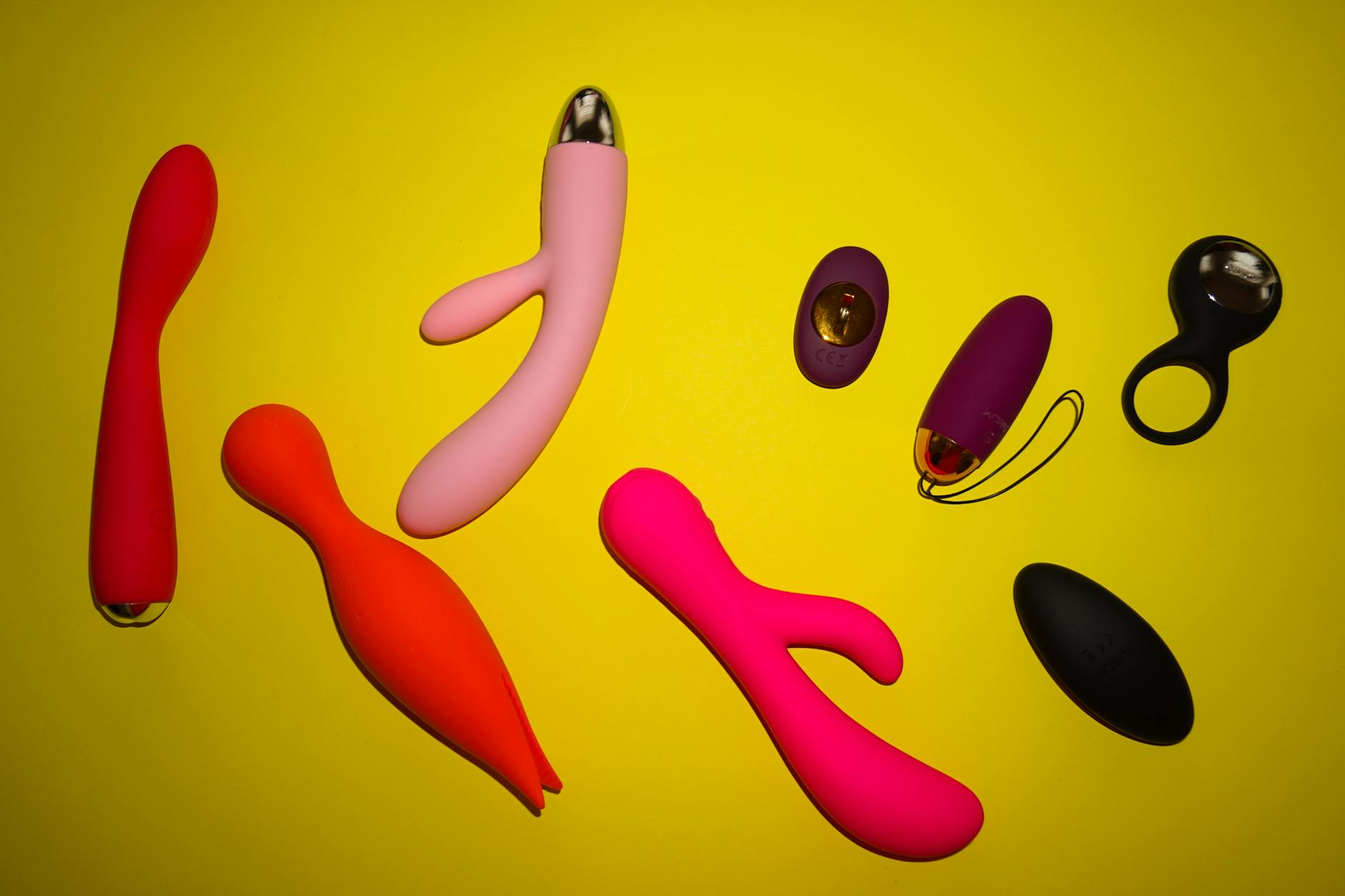
Let's talk about the guilt part first
Solo pleasure carries baggage that partnered sex often doesn't. There's the feeling that you should be doing something "productive" instead. The worry that wanting this means something is wrong with your relationship. The old voice saying that touching yourself is selfish, immature, or desperate.
None of that is true. But the guilt is real, and it gets in the way. Using a lemon clitoral vibrator for solo exploration is one of the most direct paths to understanding your body's actual preferences. And that knowledge makes everything better. Solo pleasure isn't a substitute for partnered sex. It's data about what you need.
Why lemon vibrators work so well for solo exploration
A lemon clitoral vibrator like the Lem is designed for precision without you having to do the physical work. That matters for solo play because it lets you stay in your body instead of getting caught in the mechanical part.
With your hand, you're managing pressure, speed, and rhythm all at once. That's cognitively expensive, especially when you're already managing feelings about doing this at all. A lemon vibrator handles the rhythm. You just show up and pay attention to what actually feels good.
The suction action on a device like the Lem is also worth noting. It stimulates the clitoris without direct friction, which means you can build pleasure gradually without oversensitivity kicking in. For solo exploration especially, that makes the experience last longer and feel less goal-oriented. You're not racing to the finish. You're exploring what your body can do.
The three blocks that usually show up
When clients first try solo play with a lemon clitoral vibrator, three things typically get in the way.
Block one: the feeling that you should be "getting to it" instead of taking time. Solo pleasure often gets squeezed into leftover time. You're rushing through it because someone else is home, or because you feel like you should be doing something else. That pressure kills sensation. Your nervous system knows you're not fully present, and it shuts down. Commit to 30 minutes. Put your phone somewhere you can't see it. Tell yourself that this is the priority right now. It's not selfish. It's essential data about your body.
Block two: the voice that says this isn't "real" pleasure. Solo pleasure with a lemon vibrator sometimes feels mechanical to people. Less authentic than partnered sex. But that's backwards. Solo play with a clitoral vibrator is often the clearest feedback you can get. No one else's preferences are shaping it. Just you and your body. That's as real as it gets.
Block three: the guilt about enjoying it. Some people were taught that pleasure is acceptable only in partnered contexts, under specific circumstances, in service of someone else. Solo pleasure feels indulgent or wrong. That's worth examining directly. Your pleasure has value whether or not anyone else is in the room. Solo exploration with a lemon clitoral vibrator isn't selfish. It's foundational.
How to actually start
Begin with your environment, not the vibrator. You need to feel safe enough to relax. That might mean locking the door. It might mean showering first so you feel clean in your body. It might mean putting on music that makes you feel good about yourself, not music that turns you on. You're not trying to get instantly aroused. You're trying to get present.
When you're ready, start without the lemon vibrator. Spend five to ten minutes noticing your body. Where does it feel good to be touched? Not sexually necessarily. Just pleasurably. Your neck, your inner thighs, your breasts, your stomach. The point is to get out of your head and into sensation.
Then introduce the device. Start on the lowest setting. A lot of people turn it up immediately because they think they should, or because they've been conditioned to rush. Resist that. Stay with a lower intensity for a while. Notice how your body actually wants to move. Does pressure work better from one angle? Do you like slow patterns or fast ones? This is information.
The rhythm of a good solo practice
Honestly, the best solo practice isn't performance. It's not about reaching orgasm. It's about learning what your body's actual preferences are, so you can communicate them to partners, or so you can stop pressuring yourself in partnered contexts.
Some sessions, you'll orgasm quickly. Other times, it'll take longer. Some sessions, you won't orgasm at all, and that's completely fine. The point is getting comfortable in your own skin and learning what your body needs. Using a lemon vibrator makes that easier because you can focus on sensation instead of managing the mechanics.
Build a rhythm that works for your life. Maybe that's twice a week. Maybe it's whenever you feel like it. There's no quota. The goal is to normalize solo pleasure enough that it stops feeling like a guilty secret and starts feeling like part of regular self-care.
When to use it alongside other activities
Solo exploration with a lemon clitoral vibrator isn't separate from partnered sex. It's complementary. When you know what you like, partnered sex gets better because you can actually communicate it. "I like this angle," or "slower on this setting," or "I want more time before we move forward." That specificity is only available if you've spent time alone learning your body.
Some people also find that solo sessions reduce pressure in partnered contexts. If you know you can satisfy yourself, partnered sex becomes more about connection than completion. That shift alone changes everything.
The self-talk part matters more than you think
This is where I see the most resistance, and it's worth addressing directly. While you're using a lemon vibrator for solo pleasure, your brain might be narrating something like: "This is weird," or "You're being selfish," or "Someone could walk in." That internal commentary will dampen arousal every single time.
Try naming the thoughts without judgment. "I'm having the thought that this is selfish. That's an old message I learned. It's not true for my body right now." Then let it pass and refocus on sensation. Your nervous system will gradually learn that solo pleasure is actually safe. That doesn't happen overnight, but it does happen with practice.
FAQ: Solo pleasure with lemon vibrators
Is it normal to prefer solo play to partnered sex?
Yes, completely. Some people find solo play less complicated because there's no one else's preferences, no performance pressure, no communication to manage. If you're consistently preferring solo play to partnered sex, that's worth examining. But it's not abnormal. It's information about what your nervous system needs right now.
How often should I use a lemon clitoral vibrator solo?
There's no magic number. Some people do it a few times a week. Others do it less frequently. The only real metric is: does it feel good and sustainable in your life? If you're hiding it or feeling shame, that might be a sign you need to work on the mental block, not the frequency. If you're using it to avoid something else, that's also worth noticing. But if it's just part of your regular self-care rhythm, that's healthy.
Can using a lemon vibrator make partnered sex harder?
Not in itself. But if you're only getting pleasure from the device and never communicating that to a partner, the gap between solo and partnered experiences can widen. The fix isn't to stop solo play. It's to bring what you learn into the conversation with your partner.
What if I can't orgasm alone with a lemon vibrator?
That's actually more common than you'd think. Orgasm requires a certain level of relaxation, and some people's nervous systems are harder to settle. If you're not coming easily, make sure you're not rushing. Make sure you're actually present. And consider whether there's a mental block. Shame, guilt, or fear can completely shut down pleasure. That's not a physical problem. That's a nervous system problem, and it's totally fixable with time and practice.
Should I feel guilty about solo pleasure while in a relationship?
No. Solo play and partnered sex are different things. Solo play is about learning your body. Partnered sex is about connection. Both are healthy. A partner who makes you feel guilty for solo exploration is showing you something important about their own relationship with pleasure and control. That's worth addressing, either in conversation or with a therapist.
How do I enjoy solo pleasure without the mental chatter about being selfish?
This is the core work. Notice the thought. Name it. Ask yourself: is this actually true, or is it a script I learned? Usually, it's a script. Then return your attention to sensation. Over time, your nervous system will learn that solo pleasure is safe and acceptable. That doesn't happen in one session. But it does happen with repeated, non-judgmental practice.
The real benefit
Here's what I see happen when people build a regular solo practice with a lemon clitoral vibrator: they stop apologizing for their bodies. They stop performing pleasure for anyone else. They start knowing what they actually want. That knowledge makes everything better. Partnered sex becomes clearer. Communication gets easier. The constant background anxiety about whether you're normal, or doing it right, or being selfish starts to quiet down.
Solo pleasure isn't a backup plan. It's foundational self-knowledge. And a lemon vibrator makes that practice accessible and sustainable. You deserve that exploration. Your body deserves that attention. Start small, stay present, and let the rest unfold.