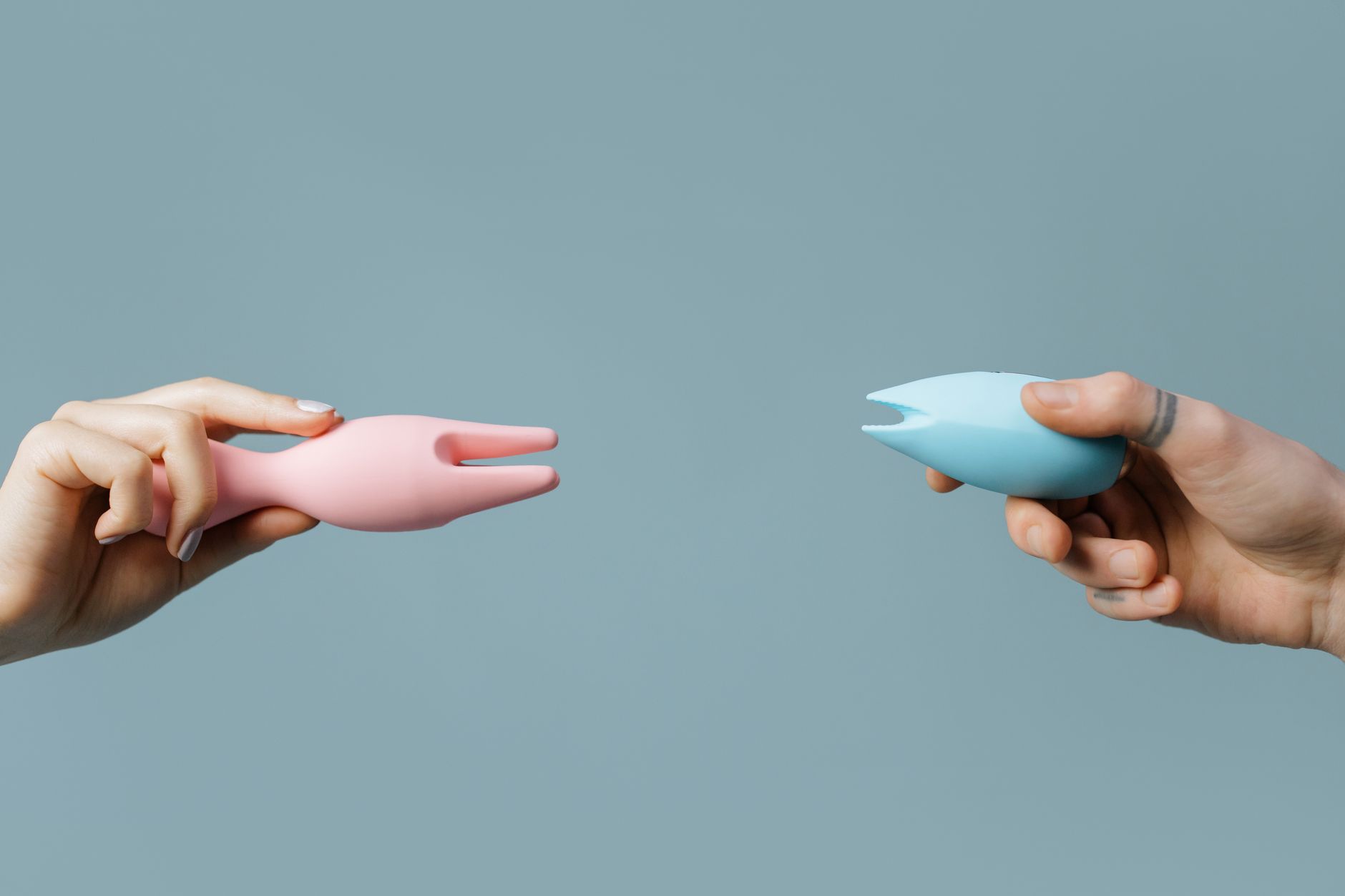
How to Use a Lemon Vibrator When Menopause Affects Pleasure and Arousal
Let's be real. Menopause changes how pleasure feels. It doesn't end it, but the shift can feel disorienting if no one explains what's actually happening physiologically.
Most of what gets said about menopause and sex lands in one of two unhelpful camps: "everything stops working" or "nothing changes, stop complaining." Both miss the mark. Here's what actually happens when estrogen drops, why sensation might feel different, and how a lemon clitoral vibrator like the Lem can help you rebuild arousal and pleasure on your own terms.
The physiological reality of menopause and arousal
Estrogen isn't just about fertility. It sustains blood flow to the clitoris, keeps vaginal and vulvar tissue thick and responsive, and influences how quickly your nervous system registers touch. When estrogen drops during perimenopause and menopause, all three things shift.
Your clitoris doesn't lose sensitivity overnight. But the tissue around it becomes thinner. Blood flow takes longer to increase during arousal. Your brain still registers pleasure exactly the same way it always has. The pathway hasn't changed. The signal just takes a different route.
Testosterone also matters. People with ovaries make testosterone too, and it's a major driver of libido and arousal intensity. Menopause drops testosterone along with estrogen. For some people this means desire feels quieter. For others, the drop is barely noticeable. Context matters as much as hormones.
Why sensation might feel muted or different
Thinner tissue changes friction. Lighter blood flow means arousal builds more slowly. You might notice your clitoris feels less prominent or requires more direct pressure to respond. Or orgasms might feel shallower, less full-body, more concentrated in a smaller area.
None of this is permanent or irreversible. It's a recalibration.
What often surprises people: many of my clients report that their most powerful orgasms have come after menopause. The difference is usually mental. Once fertility concerns lift, once cultural pressure to perform softens, pleasure expands. You're not managing someone else's expectations anymore. You're exploring your own.
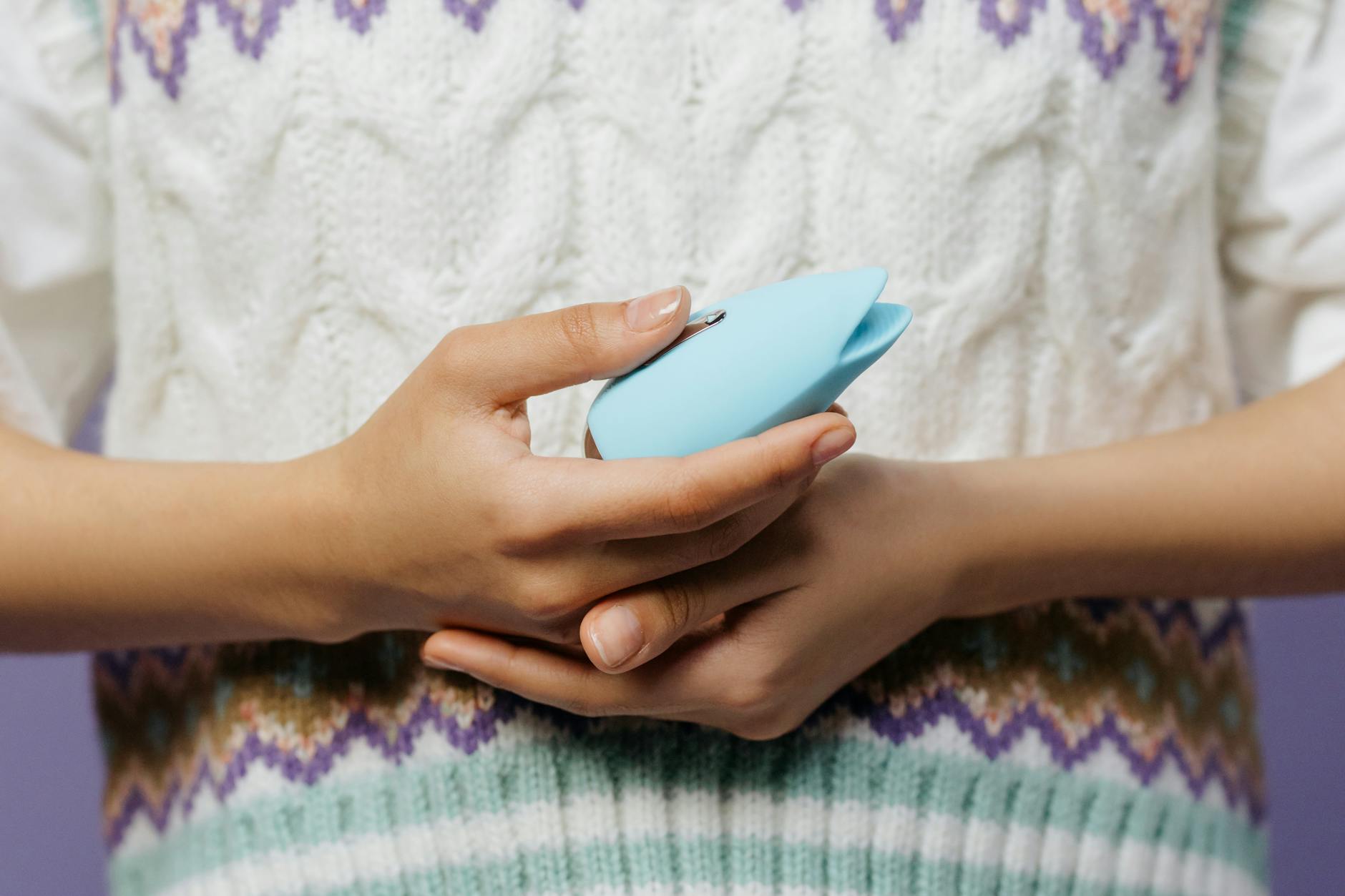
Photo by cottonbro studio on Pexels
How lemon vibrators support menopausal pleasure
A lemon sucker vibrator, especially one using air-suction technology like the Lem, works differently than traditional vibrators. Instead of friction-based stimulation, suction gently pulls and releases the clitoral tissue, creating a wave of pressure rather than a buzzing sensation against the skin.
For menopausal bodies, this matters. Thinner tissue responds better to suction than to direct vibration. You get stronger sensation with less mechanical pressure. The clitoral vibrator covers a slightly larger surface area, so even if your clitoris feels less prominent, the device still makes contact and builds sensation efficiently.
Start low. Most people reach for intensity levels 3 or 4 on a new lemon vibrator and feel nothing. That's not because the device is weak. It's because your body needs time to wake up. Begin at level 1 or 2. Spend 10-15 minutes letting sensation build before increasing.
Lubrication becomes your essential partner
Menopausal dryness is real and common. Thinner vaginal tissue produces less natural lubrication. A water-based lubricant isn't optional. It's foundational.
Use more than you think you need. Lubrication reduces friction, protects delicate tissue, and helps the suction mechanism of a lemon clitoral vibrator work more smoothly. Apply it generously to the vulva and to the opening of the device. Reapply halfway through if sensation starts to feel dry or uncomfortable.
Avoid silicone-based lubes if you're using a silicone toy. They degrade the material. Water-based works with every toy material and rinses off easily.
The arousal timeline shifts
Forgot about the 5-minute warmup? Menopause changed that. Your nervous system needs more time to register arousal cues. Budget 15-25 minutes for foreplay, whether solo or partnered. This isn't a loss. It's an invitation to slow down.
Start with touch that doesn't involve the device. Massage your own body. Let your partner touch you without expectation. Build desire mentally before you add the lemon vibrator. Your brain is your most important erogenous zone, especially during menopause. Thoughts, fantasy, even just permission to want something for yourself increases blood flow and primes your nervous system.
Once you're genuinely aroused (not just hopeful), introduce the device at low intensity.
Pelvic floor shifts during menopause
Estrogen supports pelvic floor muscle tone. As it drops, your pelvic floor naturally loosens. That's not weakness. It's a different baseline.
Some people find their orgasms feel less intense during this phase. Others find they're more spread out, less concentrated in one muscle group. Both are normal. Kegels help, but they're only half the picture. Learning to relax your pelvic floor fully is equally important. Tension prevents arousal and orgasm.
Before using your lemon vibrator, spend two minutes consciously relaxing your pelvic floor. Breathe slowly. Imagine the muscles releasing. Then when the device is in use, try to stay relaxed rather than gripping. This might feel counterintuitive, but it actually builds stronger sensation and more reliable orgasm.
Partner communication during menopausal shifts
If you're in a relationship, menopause is not a solo project. Pleasure changes create an opportunity to reconnect, but only if both people know what's shifting and why.
Separate the two conversations: "My body is responding differently" is different from "I want us to rebuild intimacy." If you tangle them, both collapse. Talk about the physical changes without judgment. Talk about what you want without blame. "I need 20 minutes of foreplay" is useful information. "You used to turn me on faster" is blame disguised as a fact.
A lemon clitoral vibrator can be solo pleasure or partnered exploration. If your partner is involved, let them watch, hold the device, or just be present. The nervous system responds to feeling wanted, not just to physical touch.
When to see a clinician
If pain appears during or after sex, don't self-manage it. Genitourinary syndrome of menopause is real and treatable. A menopause-trained GP or gynecologist can prescribe topical estrogen creams that have minimal systemic absorption. Results often appear within weeks.
If desire has completely flatlined and hasn't budged in months, testosterone therapy is worth discussing. It's prescribed more cautiously in the US than in the UK or Australia, but it exists and changes lives for the right person.
If you're on antidepressants or blood pressure medication, those can compound arousal challenges. A clinician can sometimes adjust your prescription or add something that offsets sexual side effects. Don't assume it's permanent.
Building pleasure back, on your terms
Menopause is not a timeline. It's a doorway. What waits on the other side is often richer than what came before, but only if you're willing to explore it with honesty, patience, and the right tools.
A lemon sucker vibrator like the Lem meets you where your body actually is right now. Not where it was. Not where you think it should be. Where it is. Use it slowly. Use it often enough to understand your new baseline. Use it without guilt.
Your pleasure matters at every age. Menopause didn't change that.
Frequently asked questions
Can I still have strong orgasms after menopause starts?
Absolutely. Many people report their most satisfying orgasms happen after menopause. The difference is usually mental clarity and freedom from fertility concerns rather than a physical limitation. If orgasms feel weaker initially, that's usually an arousal timing issue, not permanent weakness. Increasing foreplay time and using a lemon clitoral vibrator at the right intensity rebuilds that sensation quickly.
How long does it take for sensation to return during menopause?
It depends on what you mean by "return." If you're experiencing temporary numbness from medications or hormonal adjustment, many people notice changes within 2-4 weeks of consistent use and lifestyle adjustments. If tissue is actively atrophying due to low estrogen, topical hormone therapy accelerates recovery. Without intervention, sensation can take 3-6 months to stabilize as your body adjusts to its new hormonal baseline.
Is a lemon vibrator better than a regular vibrator for menopausal bodies?
Not universally, but for many people, yes. Air-suction devices like the Lem create stimulus through pressure rather than friction, which works well on thinner tissue. They're also quieter and often feel less intense, allowing for longer, lower-intensity sessions that build arousal gradually. That said, everyone's different. Some people do fine with traditional vibrators at lower intensity settings. Experiment to find what your body responds to now.
What if lubrication alone doesn't solve dryness during menopause?
Try a combination approach. Use water-based lubricant generously, but also consider a hyaluronic acid vaginal moisturizer for daily hydration (separate from sexual activity). If dryness persists despite consistent lube use, ask your clinician about vaginal estrogen or DHEA suppositories. These are low-absorption options designed specifically for menopausal dryness. Many people find a combination of lube plus topical hormone therapy most effective.
Can my partner help me use a lemon vibrator during menopause?
Yes, and that can be useful for rebuilding connection. Some people find partnered use feels vulnerable or exposing. Others find it deeply intimate. There's no rule. If you want to include a partner, start by explaining what's changed physiologically so they understand you're not rejecting them. Then explore together, with clear communication about pressure, speed, and what feels good.
Does menopause permanently change sexual pleasure?
No. It changes the experience temporarily while your body adjusts. Once your hormones stabilize and you've rebuilt arousal awareness with your new baseline, pleasure becomes reliable again. Many people find menopause is when sex actually improves because you finally know what you want and feel less obligated to perform for someone else. That's not a myth. That's clinical observation.
Sources and further reading
If you're navigating menopause and sexuality, these resources offer grounded, evidence-based information:
The North American Menopause Society (NAMS) publishes clinical consensus statements on sexual health during menopause, including hormone therapy options and non-hormonal treatments. Their website includes a "Find a Clinician" tool to locate menopause specialists in your area.
The American College of Obstetricians and Gynecologists (ACOG) has patient-facing guides on genitourinary syndrome of menopause and treatment options, from topical estrogen to vaginal moisturizers.
For relationship-focused support, the Gottman Institute offers research on how couples navigate midlife transitions and rebuild intimacy. Many of their principles apply whether you're working with a therapist or exploring solo.
Dr. Laurie Mintz's book "Becoming Cliterate" covers pleasure at every life stage, with specific chapters on how bodies change over time and how to adapt your approach to sensation.
If you're interested in understanding the neurobiology of pleasure and arousal, Dr. Emily Nagoski's "Come As You Are" translates brain science into practical language about why sensation feels different and what actually helps.
Remember: menopause is not the end of your sexual life. It's the middle chapter, and in many ways, it's the most interesting one.
If you'd like personalized guidance on rebuilding intimacy during menopause or navigating pleasure during any major life transition, reach out to us. We're here to help.