Here's what nobody tells you about sensation after recovery
Your body changes after surgery, serious illness, long medication cycles, or injury. Not always in ways that last forever. But in the immediate weeks and months after, pleasure can feel distant. Muted. Like you're touching yourself through a glass wall.
This is real. It's also usually temporary. And there's a practical path back.
What actually happens to sensation during and after recovery
Depending on the event, several things can dampen how your body feels touch. Medications, especially pain relievers and antibiotics, can numb nerve sensitivity. Inflammation or scar tissue can change how nerves fire. Fatigue and stress literally reduce your brain's bandwidth for processing pleasure signals. The surgery or illness itself might have disrupted blood flow to sensitive tissue, which takes time to normalize.
Here's the part that matters: in most cases, this is a temporary flatness, not permanent damage. Your nervous system is capable of rewiring, resensitizing, rebuilding. But that rewiring happens faster with the right stimulus.
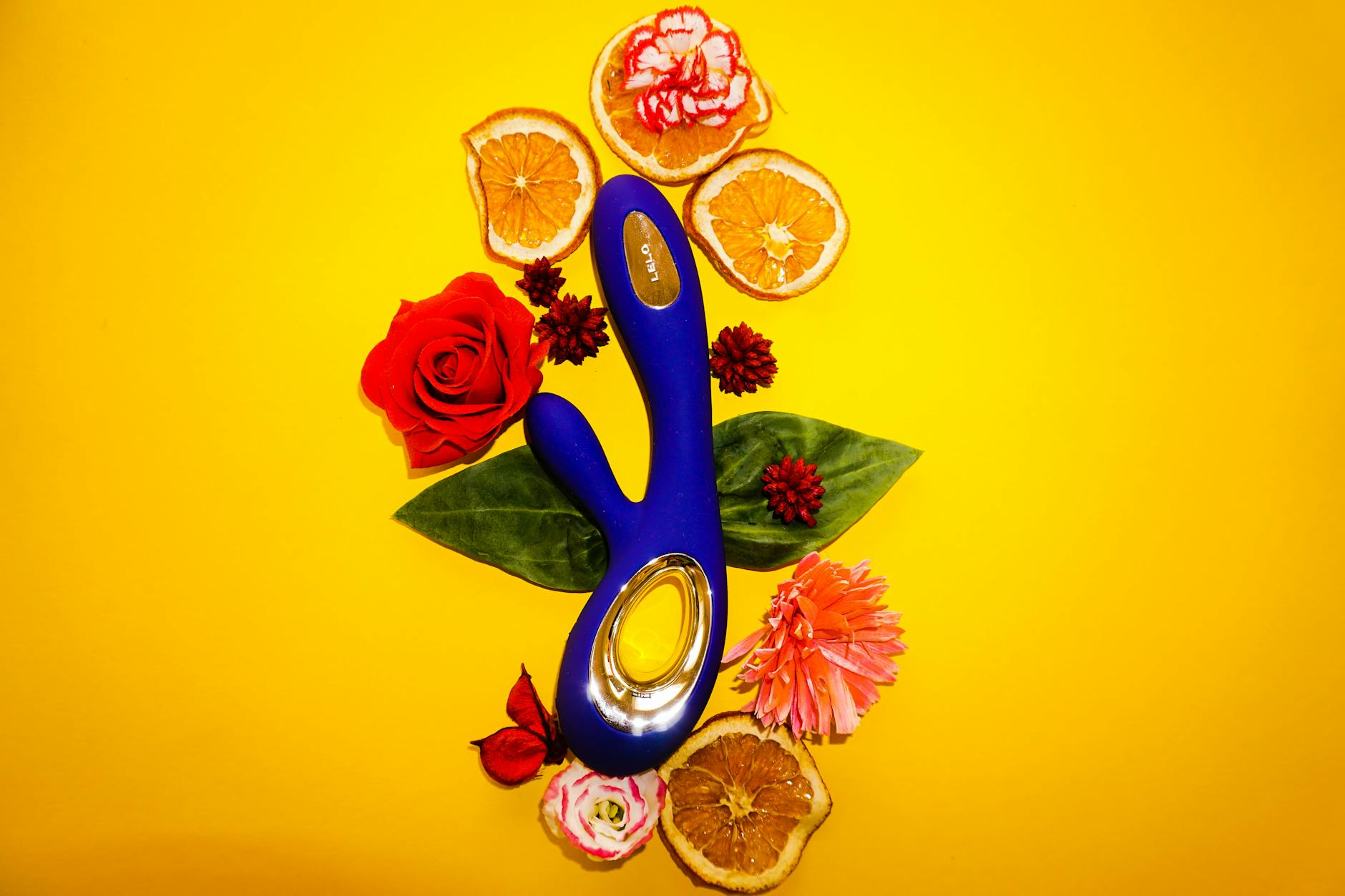
That's where a lemon clitoral vibrator comes in. Air-suction toys like the lemon vibrator work differently than traditional vibration. Instead of relying on your existing sensitivity to feel something, suction stimulates the entire nerve network around the clitoris from multiple directions at once. You're not asking tired nerves to work harder. You're waking them up with a signal they can't ignore.
Why standard vibrators sometimes fall short during recovery
A traditional vibrator hums at a set frequency. Your body has to detect that vibration. When sensation is dulled, the vibration might not register strongly enough. So you turn it up. Then it feels abrasive. Then you stop using it.
Air-suction works through a different mechanism. Suction creates a pressure change that stimulates a larger area of nerve tissue at once. For people in recovery, this often feels more noticeable, less dependent on baseline sensitivity. It's also easier to control. On a lemon vibrator, patterns 1 and 2 might feel barely perceptible to someone with dulled sensation. Pattern 5 or 6 can feel intense and clear. There's a much wider range of felt sensation without the risk of discomfort that comes with maxing out a traditional vibrator.
The actual timeline for sensation to come back
I want to be honest here: it varies wildly. Some people notice changes within 2 to 3 weeks. Others take 8 to 12 weeks. A few take longer. The kind of surgery or medical event matters. The medications matter. Your age and overall circulation matter.
But here's the pattern I see consistently: people who gently, regularly use a lemon vibrator during recovery report that sensation returns faster than those who avoid the experience altogether. It's not magical. It's stimulus. Your nervous system responds to regular, varied input. A lemon vibrator provides input that feels achievable and not forced.
How to use a lemon vibrator safely during recovery
Four things to nail down before you start:
Check with your doctor first. Not because pleasure is dangerous, but because the timeline matters. Most gynecologists and surgeons will say "wait at least 4 to 6 weeks" for internal surgery. For external healing or medication effects, the timeline is usually faster. Ask. Get clarity on whether suction specifically is okay for your situation.
Start with the lowest pattern. On a lemon vibrator, that's pattern 1. Hold it there for 10 to 15 seconds, then release. Repeat three to five times. You're not chasing an orgasm. You're introducing sensation.
Use plenty of lubrication. Even if your body isn't creating natural wetness yet (totally normal during recovery), external lube reduces friction and helps the suction seal work more effectively. Water-based lube is safest during healing.
Short sessions, frequent repetition. Rather than one 20-minute session once a week, aim for 5 to 10 minutes, two to three times a week. Consistency matters more than intensity. Your nervous system learns through repetition.
The emotional part people skip over
Recovery is weird because your body doesn't feel like your body. You might feel disconnected, frustrated, or even grieving the ease of sensation you had before. That's normal. And here's what I've learned from couples navigating this: acknowledging that weirdness out loud actually speeds up the comeback.
If you have a partner, tell them what's happening. Not "I'm broken," but "Sensation is flat right now, and I'm working on rebuilding it." That reframe changes everything. They're not trying to turn you on. You're both supporting a healing process.
If you're partnered and want to use a lemon vibrator together during recovery, communication matters even more. Let them know what patterns feel good, what doesn't. Show them you're leading the experience, not trying to force a response.
What patterns actually help build sensation back
On a lemon vibrator, patterns 1 through 3 are usually where people in recovery spend the most time. Here's why: they're gentle enough not to feel overwhelming, but rhythmic enough to create clear neural firing. Pattern 3 in particular, with its pulsing rhythm, seems to help people report sensation faster than a steady hum.
As weeks pass and sensation returns, you can experiment with patterns 4 and 5. By 8 to 10 weeks post-recovery, many people can access the full range comfortably.
If you're using a lemon vibrator with a partner, they can hold it while you guide the pressure and pattern. This takes the physical exertion out of solo exploration and can actually help your body relax more, which aids sensation recovery.
Signs sensation is actually coming back
You'll know it's working when the patterns start to feel more distinct from each other. When pattern 1 feels subtle instead of nearly undetectable. When you can feel the difference between a lighter touch and more pressure. When your brain starts anticipating the sensation instead of waiting passively for it.
These are small shifts, but they're real. Keep a mental note of them. They matter because they mean your nervous system is rewiring.
When to get help if sensation isn't returning
If you're 12 weeks post-recovery and sensation still feels completely flat, or if pain has developed where there wasn't pain before, see your doctor. Scar tissue sometimes needs physical therapy. Certain medications, if you're still on them, might need adjusting. A few people experience nerve damage that requires specialist care. That's rare, but it's worth ruling out.
How partners can support this process
If you're in a relationship, understand that sensation recovery isn't about performance or arousal. It's about nervous system recalibration. Your role isn't to "turn them on." It's to be present, patient, and willing to experiment with low-pressure tools like a lemon vibrator that make the process feel less fraught.
Many couples find that the focus on sensation rather than outcome actually improves their connection. You're working toward something together, not expecting spontaneous spark.
The bigger picture here
Recovery changes your body. But your body's capacity for pleasure doesn't disappear. It gets reorganized. A lemon clitoral vibrator helps you find that pleasure again, not by forcing your body back to "normal," but by introducing stimulus in a way that feels achievable and gradual.
You're not broken. You're rebuilding.
People also ask
How long after surgery can I use a vibrator?
Most gynecologists recommend waiting 4 to 6 weeks after internal surgery before using any vibrator. After external procedures or for medication-related sensation changes, the timeline is usually shorter. Always ask your doctor, not the internet. If you get clearance, start with the lowest intensity pattern and very short sessions.
Will using a lemon vibrator speed up sensation recovery?
Regular stimulus through a clitoral vibrator can help your nervous system resensitize faster than waiting passively. The air-suction mechanism on a lemon vibrator is particularly effective because it engages a larger nerve network without requiring high baseline sensitivity. Think of it as physical therapy for your pleasure nerves.
What if a lemon vibrator feels uncomfortable during recovery?
Discomfort during recovery usually means one of three things: you're starting too high an intensity pattern, you don't have enough lubrication, or you need more time before using it. Lower the pattern, add more lube, or wait another week. Sensation recovery shouldn't be painful. If it is, stop and check in with your doctor.
Can my partner help me use a lemon vibrator during recovery?
Yes. In fact, many couples find that partner-assisted exploration during recovery takes pressure off and actually helps the person in recovery relax more deeply, which aids nervous system recalibration. The person in recovery should always be directing the intensity and rhythm, though. They lead. The partner follows.
Is it normal for sensation to feel different after recovery?
Completely normal. Your body might integrate sensation differently as nerves heal and resensitize. Some people report that their orgasms feel slightly different, or that certain patterns work better than they did before. This isn't failure. It's adaptation. Your body is learning a new way to experience pleasure.
What if I'm on medications that are dulling sensation?
This is a separate issue from surgical recovery, but the approach is similar. A lemon vibrator can help compensate while your nervous system adjusts to medication. Some medications lose their dulling effect over time. Others don't. If sensation flatness is persistent, ask your doctor whether dosage adjustment or switching medications is an option. Don't stop taking medication without guidance, but do raise the conversation.
The truth about rebuilding after recovery
Your body is designed to heal. That includes pleasure sensitivity. A lemon vibrator isn't a magic fix. But it's a tool that works with your body's natural rewiring process, providing consistent, adjustable stimulus that helps you reconnect with sensation without pressure or performance expectations.
Start low. Be patient. Use it regularly. And trust that the flatness is temporary. Most people get back to feeling fully themselves. Many say they feel more intentional about pleasure afterward. That's worth the wait.