The thing nobody talks about
You've got a partner you really like. Sex is good, maybe even great. But there's this one thing sitting in your nightstand that you know would make it even better, and you have no idea how to bring it up without killing the mood or making things weird. Here's the thing: that awkwardness lives almost entirely in your head before you say anything.
I've worked with hundreds of couples navigating exactly this moment. The pattern is always the same. Someone spends weeks or months anxious about a conversation that takes two minutes and changes nothing except the pleasure in their relationship.
Why this conversation feels harder than it is
There are three reasons you're nervous. First, you're making an assumption that mentioning a lemon vibrator means admitting something is missing. It doesn't. A clitoral vibrator isn't a diagnosis of your relationship. It's not a referendum on your partner's ability to satisfy you. It's a tool, the same way lube is a tool or a different position is a tool.
Second, you're probably carrying some old baggage about what it means to want external stimulation. Maybe you were raised to believe that needing anything beyond a partner's body meant something was wrong with you. That belief is outdated and, frankly, unsupported by biology.
Third, you're imagining the worst reaction without any evidence. Most partners respond to "I think this would feel amazing and I want to try it with you" with some version of "okay, let's do it." The ones who do hesitate usually just need reassurance, which brings us to how to actually frame this.
The setup that actually works
Timing matters, but not in the way you think. You don't need to wait for some perfect moment or soften them up with romance first. The best time is when you're both relaxed, clothed, and not in the middle of sex. A weeknight conversation on the couch works better than a candlelit dinner because it feels less fraught.
Here's the opener: "I've been thinking about something I'd like to try. I found this clitoral vibrator that I think would feel incredible, and I want to use it with you. Are you open to that?" That's it. You've been direct, you've framed it as something you want to experience together, and you've asked a yes-or-no question.
If they say yes, you're done. Move on to logistics (when, how, what else you want to try alongside it). If they hesitate, that's information. Ask why. The hesitation is almost always fixable.
The five most common hesitations (and how to answer them)
"Does this mean you're not satisfied with me?"
No. More sensation doesn't mean less satisfaction. Plenty of people with partners who are great in bed still benefit from lemon vibrators. The tool doesn't replace them. Think of it like coffee. You can love a person and also want caffeine. They're not competing.
"I feel like I'm being replaced."
You're not using it instead of your partner. You're using it during sex with them, or with them inside you, or while they're touching you somewhere else. It's an addition, not a substitution. Show them what you're imagining. Discomfort usually comes from not picturing what actually happens.
"Won't that hurt?"
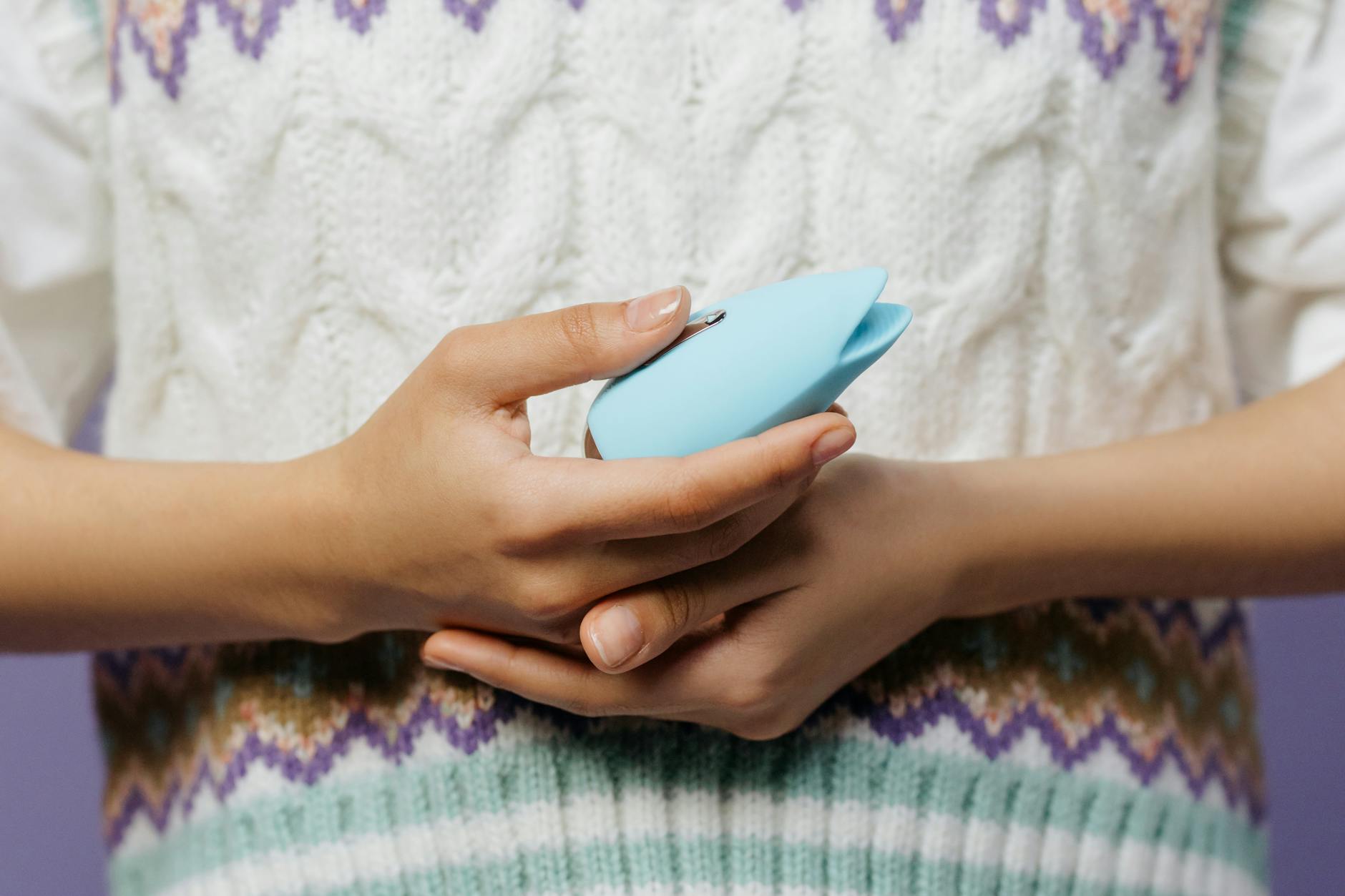
Not if you use it right. Lemon vibrators, especially the clitoral suction style ones like the lem vibrator, work with your body's natural response. They feel good because they're designed to. If your partner is worried about intensity, you control the settings. Start slow.
"I don't know how to use it."
Neither did anyone else. You figure it out together. That's actually part of what makes this fun. There's no performance pressure because you're both learning at the same pace.
"This feels like something only single people do."
Absolutely false. Couples who use vibrators together report higher satisfaction and more frequent sex. It's not a sign of a struggling relationship. It's a sign of a curious one.
When to actually introduce it into sex
Don't overthink this part either. You don't need a grand reveal or a perfect setup. The first time, you could literally just say, "Want to try it now?" when you're already close together, clothes off, and things are heating up.
Here's what usually happens: you use it on yourself first while your partner watches. That takes the pressure off them to know what to do with it. After a few minutes, you might hand it over and let them try. Or you might integrate it differently, like keeping it on yourself while they're inside you or touching you elsewhere. There's no rulebook.
The first time rarely feels perfect. You might laugh because it's awkward. You might need to adjust the angle or the speed. That's normal and honestly kind of nice because it keeps the focus on exploration instead of performance.
The conversation after
This is actually the part that matters most for your relationship. After you've tried it, talk about it. What felt good? What would you do differently next time? Do you want to make it a regular part of sex, or an occasional thing? Does your partner want to try anything they've been thinking about?
This is where introducing lemon sexual toys becomes about more than just sensation. It becomes about building a dynamic where both of you feel safe asking for what you want. That openness tends to spill into other areas of intimacy.
If it didn't go well, talk about that too. Maybe the timing was off. Maybe you needed more lube. Maybe your partner needs more time to warm up to the idea. None of that means you shouldn't try again.
The physical setup that prevents awkwardness
One reason people feel weird is logistics. You're worried about positions, access, hand placement. Here are the easiest first-time setups:
You on top or facing them. You control the angle and pressure. Your partner can touch your thighs, chest, or kiss you. They're involved but not responsible for the vibrator.
You lying on your back, them between your legs. You hold the vibrator. They can be inside you, or just close, or using their hands elsewhere. This gives you the most control while they stay connected.
You from behind. You hold it, they can enter from behind or touch you from behind. Again, you're driving the vibrator, they're driving everything else.
The common thread: you're holding the toy at first. This removes the performance pressure from your partner and keeps you in control of sensation. Once you both feel comfortable, you can explore other configurations.
Making it feel natural, not transactional
Here's what separates couples who integrate toys and feel connected versus couples who feel like they're checking boxes. The difference is that the former treat it like foreplay innovation, not a separate thing that happens alongside sex.
So instead of "now we use the vibrator," it's more like you're already making out, clothes are coming off, hands are everywhere, and somewhere in that natural progression the vibrator shows up. It's one tool among many.
You can also frame it as exploration rather than necessity. "I want to show you something that feels amazing" works better than "I need this to orgasm." The first is inviting. The second can feel like pressure.
If you're using a lemon clitoral vibrator for the first time with a partner, remember that you're both figuring this out. There's no right way to do it beyond what feels good to both of you. The awkwardness you're imagining almost never materializes. What usually happens instead is couples find another dimension of pleasure they didn't have before and wonder why they waited so long.
People also ask
How do I know if my new partner will be open to using a lemon vibrator?
You don't until you ask. But the fact that they want to be intimate with you suggests they're open to expanding that intimacy. If they're not, that's useful information about compatibility. Better to know now than months later.
Should I use the vibrator alone first before introducing it to a partner?
Yes, ideally. You want to know how it feels, what settings you like, and what sensations work for you. That confidence translates when you introduce it. Plus, you can give your partner specific feedback instead of figuring it out together from zero.
What if my partner wants to use it on me but I'm nervous?
Tell them. "I want to try this, but I'm a little nervous about sensation, so let's start slow" is completely fine. They can begin on the lowest setting and you guide them. You're in control of the experience.
Is it weird if we use it every time we have sex?
Not at all. Some couples do. Some use it occasionally. Both are normal. The only thing that matters is that you both want it. If one person is using it because they feel obligated, that's worth addressing.
How do I bring up a clitoral vibrator without my partner thinking I'm unhappy?
Reframe the conversation in your head first. You're not saying "this is missing." You're saying "I want to add this." That shift in language actually changes how the conversation lands. Try: "I've been curious about something and I think it would feel amazing with you."
What if we try it and neither of us likes it?
Then you don't use it again. You tried something, you got information, and you move on. The fact that you were both willing to experiment is what matters. That willingness is what builds sexual confidence as a couple.
Introducing a lemon vibrator or any new lemon sexual toy to a new partner isn't about fixing something broken. It's about expanding what's already working. The conversation you're dreading is usually the smallest part. What comes after, when you're both more relaxed and more connected, is where the real benefit lives.