Let's start with what nobody tells you
Your orgasms don't have an expiration date. They don't peak in your thirties and then gradually fade into a flat line by fifty. That's not how bodies work, and it's not what the clinical data shows.
What actually happens is more interesting. After fifty, many people experience a shift in what drives orgasm intensity. The triggers change. The pathway to get there changes. The sensation itself can become richer, more localized, and sometimes more powerful than anything you felt in younger years. But getting there requires understanding what's different and having the right tools.
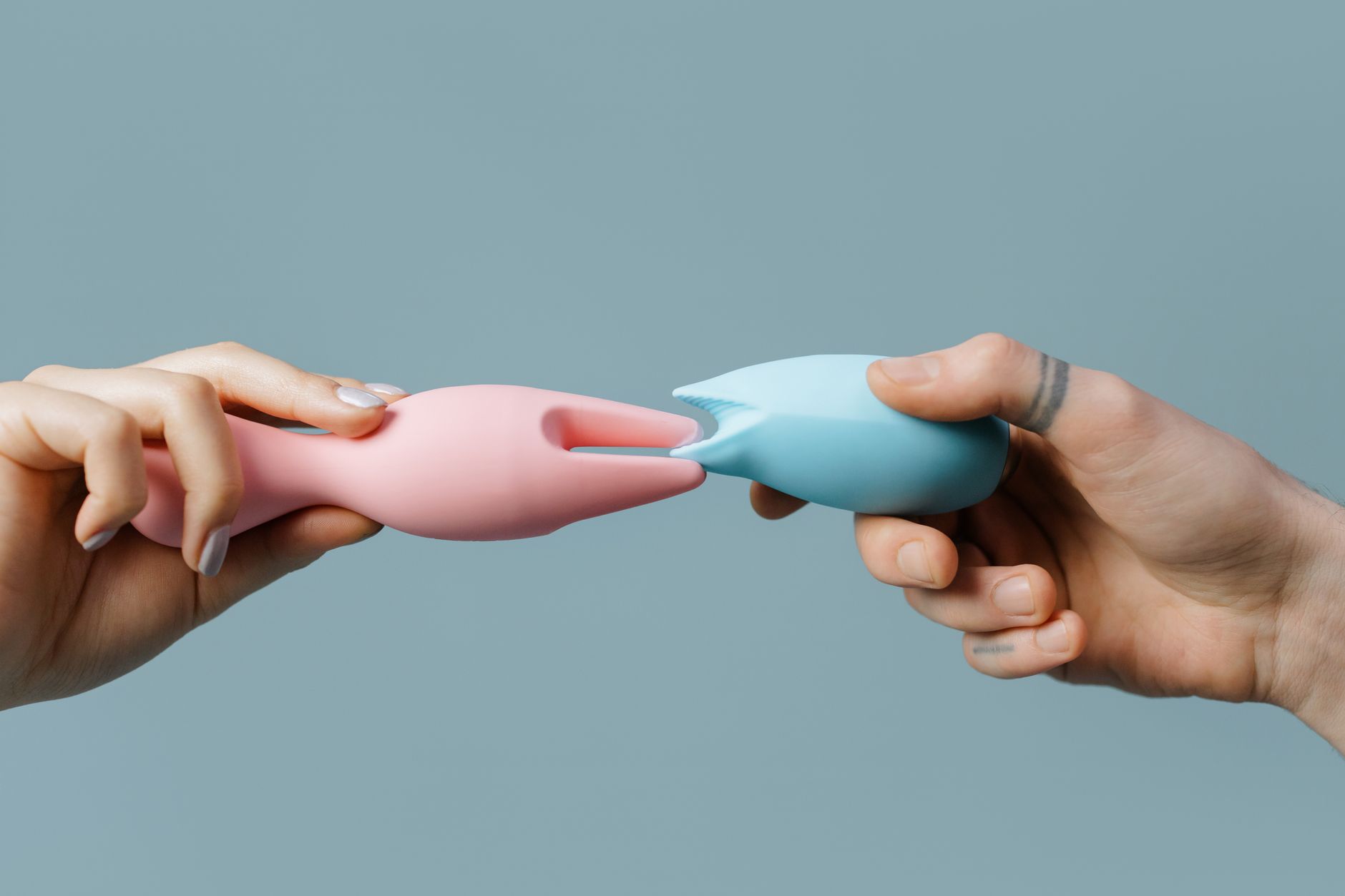
A lemon clitoral vibrator works beautifully for this transition because it stimulates through suction, not traditional vibration. That matters when tissue changes, when arousal takes longer to build, and when you want precision over broad stimulation.
Why orgasm intensity actually shifts after fifty
Here's the thing that changes. Estrogen declines, which means clitoral tissue becomes less engorged during arousal. That sounds like bad news, but it's actually neurological good news. Less engorgement means more concentrated sensation on the nerve endings. Instead of diffuse pleasure across the whole area, you get sharper, more defined pleasure where it counts.
Blood flow patterns change too. It takes longer for the clitoris to fill with blood during arousal, so the buildup phase extends. Most people interpret this as "I'm losing sensation." What's actually happening is the orgasm is building on a different timeline. You're not losing intensity. You're changing the ratio of buildup to peak.
The pelvic floor also gets less estrogen support, which can make it hyperactive by default. This is either good or frustrating depending on what you do about it. A hyperactive pelvic floor without awareness keeps you stuck in tension. A hyperactive pelvic floor with intentional relaxation practice? That creates the kind of sustained, gripping orgasm that feels entirely new.
Why a lemon vibrator beats other options at this stage
Traditional vibrators create pleasure through rapid movement against tissue. When tissue has changed, this can feel overwhelming, numb, or even irritating. You end up chasing sensation that doesn't land the same way it used to.
Air-suction technology like the lemon clitoral vibrator works differently. It pulls blood into the clitoris while stimulating the nerve ending simultaneously. For people over fifty, this creates three advantages.
First, suction works on people with less baseline engorgement. The suction itself does part of the arousal work, which means you don't have to rely entirely on your body's natural blood flow. Second, suction is gentler on thinner tissue. You get intense sensation without the abrasive friction that can make things feel raw. Third, suction allows micro-adjustments. You can dial intensity up or down in increments, which is crucial when you're learning your body's new pleasure map.
The lemon vibrator specifically also has a narrow, focused head. That precision lets you target exactly where you want stimulation instead of covering a wide area that might include numb spots.
The warm-up protocol that changes everything
Orgasm intensity over fifty is directly tied to arousal length. This is the non-negotiable shift. When you were younger, you might have gotten to orgasm in five to ten minutes. Now budget fifteen to thirty.
This isn't slow. This is the timeline for creating a strong orgasm. Most people perceive this as loss when it's actually recalibration.
Here's the protocol I recommend. Start with at least ten minutes of non-goal-oriented touch. This means your partner touching you, or your own hands on your body, with zero pressure to reach orgasm. The goal is to increase baseline blood flow to the clitoris before you introduce the lemon vibrator. Without this, you're asking the device to do all the work.
After ten minutes, introduce the lemon vibrator on the lowest setting. Don't jump to higher intensities. Let your body get accustomed to the sensation for another five to ten minutes. Most people over fifty find that their best orgasms come from the middle settings (3-5 on a 1-10 scale), not the highest. You're creating arousal, not chasing intensity.
The last five minutes should be where you increase intensity slightly and focus on rhythm. Most clitoral orgasms over fifty are actually created through consistency of pressure and movement more than through raw power.
Pelvic floor work before and after
Here's what matters for orgasm strength. A pelvic floor that's too tense creates a ceiling on pleasure. A pelvic floor that's too relaxed can't hold the sensation you're building.
Before using a lemon vibrator, spend three to five minutes on deliberate pelvic floor relaxation. This means lying down and consciously releasing the muscles you'd use to stop urination. Breathe into that release. Don't do Kegels right now. You're doing the opposite. The goal is to start your session with a baseline of relaxation.
During vibrator use, pay attention to what your pelvic floor is doing. Most people unconsciously tense up as arousal builds. That tension stops you from reaching the kind of full-body, gripping orgasm that people over fifty are actually capable of. Instead, consciously maintain that relaxed baseline while the vibrator works. It feels weird the first few times. By the fourth or fifth session, it becomes automatic.
After orgasm, do some gentle Kegels. Five to ten slow contractions. This actually helps consolidate the sensation and can make your next orgasm come faster. It trains the pelvic floor to participate in pleasure rather than resist it.
The mental piece that gets left out
Orgasm intensity over fifty is significantly influenced by mental state. Bodies don't orgasm. Brains create orgasms and bodies experience them.
Most people over fifty have accumulated ideas about what their pleasure "should" be like, and those ideas are usually wrong. You're comparing your current experience to your memory of your thirties, which your brain has already glamorized and edited. You're also comparing yourself to cultural messages that say pleasure peaks and then ends.
Neither of those is real.
Before you use a lemon vibrator, do this: write down three things you remember about your strongest orgasms. Not in your thirties, but ever. What were you doing? What were you thinking about? How long did arousal take? What was the physical sensation like? Most people realize their timeline and preferences have shifted multiple times already. This is just another shift.
During your session, practice staying mentally present. Most people over fifty run through to-do lists or worry about whether the orgasm "counts" if it doesn't look or feel like it used to. Neither of those thought patterns serve you. When you notice your mind drifting, bring it back to exactly what you're feeling in this moment. That's not meditation. It's not spiritual. It's just not letting distraction interrupt the chain reaction your body is building.
Common intensity blocks and how to move past them
Some people over fifty hit an orgasm intensity plateau. They can come, but the sensation feels muted compared to what they remember. That usually means one of three things.
First, you might be using the wrong intensity level. If you've been using the lemon vibrator on setting 8 for months, your nervous system has adapted. Drop down to setting 4 for two weeks and let your sensitivity recalibrate. Then rebuild. Intensity thrives on variation.
Second, you might need more variety in arousal content. Your brain is bored. This means switching positions, changing where you use the lemon vibrator (external versus directed at specific nerve areas), or introducing partnered elements if that applies to you. Novelty is neurologically powerful.
Third, you might be orgasming without actually being fully aroused. This sounds weird, but it happens. Your body is mechanically capable of orgasm, so the vibrator triggers one. But if your brain isn't fully engaged and your arousal timeline hasn't run its full course, the orgasm feels shallow. This is a sign to slow way down and extend the warm-up phase.
When to involve a partner in rebuilding orgasm strength
If you have a partner, the best time to bring them into this process is after you've run a few sessions solo. You need to know your own timeline, your own intensity preferences, and what your body needs before you're managing someone else's arousal too.
Once you've figured out your solo protocol, here's what helps. Let your partner know the actual timeline. "I need twenty minutes to build arousal, then the vibrator brings me to orgasm in about ten minutes." This removes the pressure on them to "do it right" and gives them a clear roadmap.
Many partners over fifty want to be involved but aren't sure how. The answer is usually touch. While you're using a lemon vibrator, your partner can touch your breasts, kiss your neck, or hold you differently than when they're just providing direct clitoral stimulation. This multiplies sensation and creates the sense of partnered pleasure that's often missing in midlife relationships.
FAQ: Your strongest orgasms after fifty
Can a lemon vibrator actually make orgasms stronger if I haven't had one in years?
Yes. It takes longer to rebuild sensation than it does to lose it, so reset your timeline. Most people see noticeable change in orgasm intensity within three to four weeks of consistent, intentional sessions. By eight weeks, many report the strongest orgasms of their lives. This assumes you're warm-ing up properly and not expecting your body to perform on the old timeline.
Is it normal for orgasms to feel different after fifty, even with the right vibrator?
Completely normal. Different doesn't mean worse. Orgasms after fifty often feel more concentrated, more localized, and sometimes more intense. The sensation might be in a different place (more internally focused, for example) than it was before. That's not a problem. That's evolution. Stop measuring against the past and start measuring against what feels good right now.
What if my partner is uncomfortable with me using a lemon vibrator?
This is a relationship conversation, not a pleasure conversation. The underlying issue is usually one of three things: he feels replaced, he feels inadequate, or he has cultural beliefs about sex toys. Each requires different honesty. "I can't reach orgasm the way my body works now without this" is true and worth saying. "This is for me, not against you" is also true. You're not choosing a vibrator over partnered sex. You're expanding your capacity for pleasure, which benefits everyone.
How do I know if I'm using the lemon vibrator at the right intensity?
The right intensity is the one where you can maintain focus for several minutes without it feeling overwhelming or numb. Most people find this in the middle range (settings 3-6). If you're constantly jumping to the highest settings, your tissue might have adapted. Take a week off and restart at setting 2. If you're staying at the lowest setting and it still feels too intense, give yourself more warm-up time before introducing the vibrator.
Can I use a lemon vibrator if I take antidepressants or blood pressure medication?
Most antidepressants and blood pressure meds don't contraindicate sex toy use. They can affect your baseline arousal and sensation, which means you might need the warm-up protocol and intensity adjustments described above. If you're on medications that affect nerve function, mention this to your doctor. They've heard it before and can tell you if there are any specific considerations. The device itself is safe with medication use.
What's the difference between using a lemon vibrator solo versus with a partner for stronger orgasms?
Solo sessions teach you your body's new timeline and preferences. You can take as long as you need, try different patterns, and figure out what actually works. Partnered sessions layer in the sensation of being desired and touched, which activates different neural pathways. The ideal is both. Start solo, add partnered sessions once you know what you want.
The orgasm you haven't had yet
I work with a lot of people over fifty who've stopped having regular orgasms, not because their bodies stopped working, but because they believed the cultural narrative that pleasure declines with age. By the time they pick up a lemon clitoral vibrator, they're often shocked by what becomes possible.
Your strongest orgasm might actually be ahead of you. The timeline is longer, the pathway is different, and the intensity can be richer than anything you felt before. But you have to be willing to learn your body again and to stop measuring against the version of yourself from thirty years ago.
If you want to explore how lemon vibrators work with other aspects of midlife pleasure, we have guides on using a lemon vibrator when you prefer gentler suction over vibration and rebuilding intimacy after years apart. Both address the specific context of pleasure in your fifties and beyond.
Your pleasure matters. The device exists. The protocol works. Start with warm-up, stay present, and be patient with what your body is building. The orgasm you haven't had yet might be waiting.