Here's the thing about grief and pleasure
Grief doesn't just make you sad. It numbs you. Your nervous system goes into protection mode, and pleasure gets locked away like it's somehow disloyal to feel good when something hurts this much. I've worked with hundreds of people navigating this exact liminal space: wanting to feel alive again but feeling guilty for wanting it.
The first step isn't reaching for a toy. It's understanding that reconnecting with pleasure after loss isn't frivolous. It's how your body remembers it's safe to exist.
Why grief shuts down sensation
When we experience significant loss, our parasympathetic nervous system—the part responsible for rest, recovery, and pleasure—goes dormant. Your body is essentially in survival mode. Arousal requires a certain baseline of safety and presence that grief actively works against. You might notice you can't focus, can't feel textures the way you used to, can't orgasm even if you want to.
This is normal. This is also temporary, but temporary can feel like permanent when you're in it.
What complicates things further is the guilt layer. Many people report feeling like pleasure is a betrayal of the person or life they've lost. Your brain is trying to be loyal through numbness. That's protection, not truth.

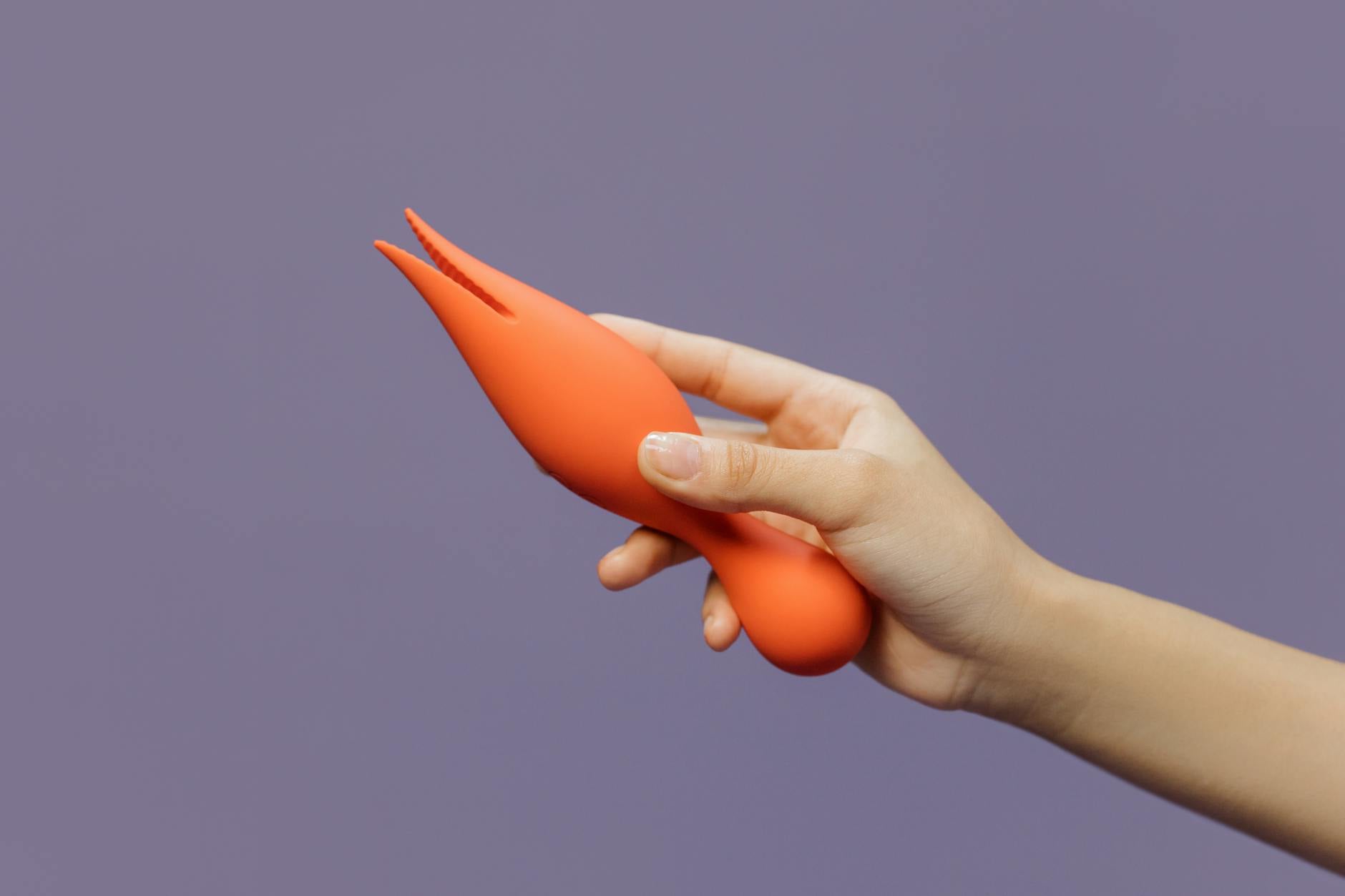
Photo by Ihsan Adityawarman on Pexels
The role of a lemon vibrator in nervous system reset
A lemon clitoral vibrator works differently than other toys because it uses gentle suction rather than direct vibration. For someone in a grief-numbed state, this matters. Direct vibration can feel jarring or demanding. Suction feels more like an invitation—a pulsing conversation with your body rather than a stimulation strategy.
The Lem and similar lemon sexual toys are specifically designed to build sensation gradually. You start at the lowest setting. The suction is rhythmic, predictable, non-aggressive. This matters because grief has made you hypervigilant. Your nervous system needs predictability.
What happens neurologically is subtle but important. The suction stimulates the thousands of nerve endings in and around the clitoris without requiring the intensity or presence that you might not have access to yet. It's not about achieving an orgasm. It's about remembering that pleasure is still available to you.
Starting the conversation with your body again
Before you use a lemon vibrator, you need to create the conditions that make reconnection possible. This sounds more woo-woo than it is. It's actually about basic nervous system hygiene.
Set aside 20-30 minutes when you won't be interrupted. Not because you need that long. Because interruption is a form of re-traumatization when you're already in a fragile state.
Choose a physical space that feels safe and contained. This could be your bed, a bath, a locked room. Somewhere you can actually relax. Grief lives in your body, so your body needs to know it has permission to let go here.
Start clothed. I know this sounds counterintuitive, but undressing is a choice that can feel too big too fast when you're numb. Let your hands explore your own body first, over clothes. This is your body relearning that touch doesn't have to be sexual to be good.
Use warm water. Shower or bath beforehand, or even just warm your hands. Heat tells your nervous system that you're safe and cared for.
Your first session with a lemon clitoral vibrator
When you're ready, have the toy on hand but don't start immediately. Spend 5-10 minutes just touching your body the way you'd touch someone you love. Your neck, your shoulders, your inner thighs. Notice what you feel. Numbness is information.
When you turn on the Lem, start at setting 1. Yes, setting 1. This is not the time to chase intensity. The suction should feel like a gentle pulse, almost meditative. Let it sit there for 5-10 seconds at a time. You might feel nothing. That's fine. You might feel a tiny spark. That's also fine.
The goal is not an orgasm. The goal is nervous system recalibration. You're teaching your body that sensation is safe again.
If you feel anything that resembles pleasure or relief, stay there. Don't chase it. Let your body set the pace. After 10-15 minutes, turn it off. That's it. One session is enough.
Do this 2-3 times a week for two weeks before you escalate anything.
When numbness persists
If after two weeks of gentle practice you're still feeling nothing, this isn't failure. Grief-related numbness sometimes requires more time, or sometimes it's layered with something else—depression, medication, trauma. This is the moment to check in with a therapist or your GP.
But many people find that within a week or two of consistent gentle practice, sensation starts returning. You might feel tingling. You might feel a distant pleasure. You might feel anger or sadness first, which is also fine. Emotion is proof your nervous system is waking up.
The guilt question
Let's address this directly: your pleasure is not a betrayal of your loss. Reconnecting with joy doesn't diminish the importance of what you've grieved. These two things exist simultaneously. You can miss someone profoundly and also want to feel alive. That's not contradiction. That's integration.
Using a lemon vibrator, or any tool for pleasure, isn't about replacing what you've lost or moving on quickly. It's about saying to your nervous system: "I'm still here. And I deserve to feel good."
That's an act of self-love, not disloyalty.
When you're ready to go deeper
After you've spent time with gentle sensation, you might want to explore deeper pleasure. That's when you increase settings on your Lem, spend longer sessions, or even introduce a partner into the experience. But rush nothing. Your nervous system will tell you when.
Some people find that reconnecting with a partner after emotional distance requires a similar gentle restart. If you're navigating grief in a relationship, that conversation is separate but parallel to this one.
Others discover that solo pleasure becomes a sacred ritual—a way of honoring their own body and capacity for joy. Both paths are valid. Both require the same foundation: patience, permission, and presence.
FAQ: Grief, pleasure, and reconnection
Can I use a lemon vibrator while I'm actively grieving, or should I wait?
There's no "right time." Some people need weeks before they're ready. Others find that gentle practice helps them move through the grief. The key is listening to your body. If the idea of pleasure feels violating right now, wait. If it feels like a small act of defiance against numbness, go ahead. Your intuition is the guide.
What if I can't orgasm even with a vibrator?
Orgasm is not the goal here. Sensation is. The nervous system has to relearn that pleasure exists before it can orgasm. You might spend weeks just feeling texture and pulsing. That's not a problem. That's exactly the point.
Is it normal to feel sadness or anger while using a vibrator after grief?
Completely normal. Grief lives in your body, and pleasure can unlock it. You might cry. You might feel frustrated. You might feel nothing, then everything at once. All of this is your nervous system waking up.
Should I tell my partner I'm using a lemon vibrator to reconnect with pleasure after loss?
That depends on your relationship and whether your grief is shared. If you're grieving together, this conversation matters. You might find that using a clitoral vibrator with your partner becomes a way to reconnect. If your grief is personal, you don't owe anyone access to your healing process. Solo practice is valid.
How long before I feel "back to normal"?
Grief doesn't have a timeline, and neither does pleasure reconnection. Some people feel shifts in two weeks. Others take months. The question isn't how fast you can get back to normal. It's how you can build a new normal that includes both grief and joy.
Can using a toy help with grief-related depression?
A vibrator is not therapy, and it's not a treatment for clinical depression. But pleasure—even gentle pleasure—can be part of a larger toolkit that includes professional support. If you're experiencing prolonged numbness or suicidal thoughts, please reach out to a therapist or your doctor. Your pleasure matters, and so does your safety.
The long view
Grief teaches us that nothing is permanent. It also teaches us that joy, sensation, and pleasure aren't trivial. They're proof that we're still here. Using a lemon vibrator after loss isn't about rushing past the pain. It's about gently, deliberately, tenderly rebuilding the capacity to feel good.
Your body remembers pleasure. You just need patience to let it remember again. If you're struggling with this process, reaching out for support—whether through a conversation about reconnection or professional counseling—is not weakness. It's wisdom. That's what Buy Lemon Massager is here to support.