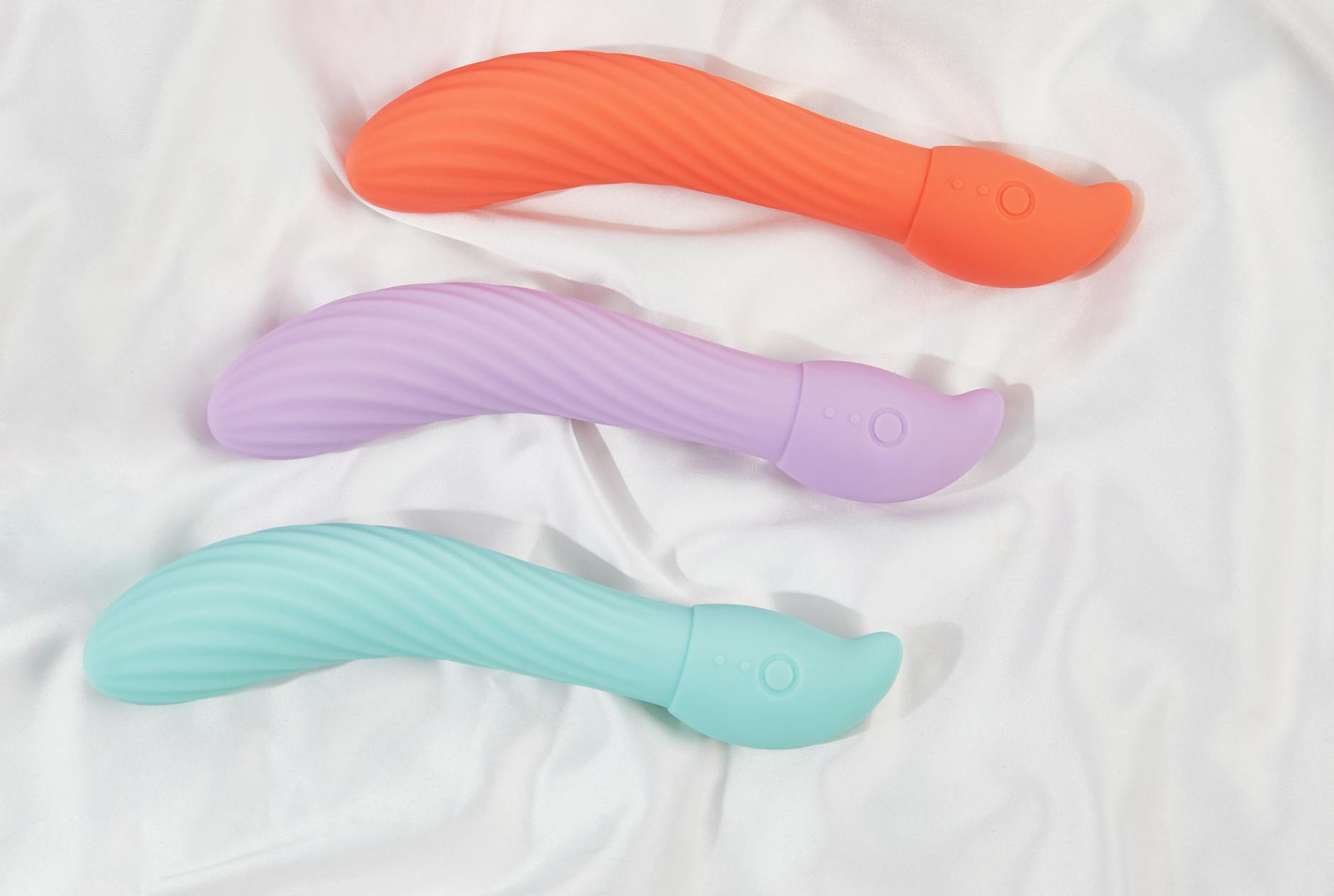
Here's the thing about bringing a vibrator into a new relationship
You're not introducing a toy. You're saying something specific: "I know what feels good to my body, and I want to share that with you." That's actually powerful information. Most people spend years having sex without ever being that clear about their own pleasure.
The awkwardness people feel isn't really about the vibrator. It's about vulnerability. You're essentially saying, "I have desires that matter to me," and you're inviting your partner to be part of meeting them. That's bigger than the device.
The timing question people always ask
There's no universal rule here, but I've worked with hundreds of couples on this, and the pattern is clear. Introducing a lemon vibrator too early (like, second or third date) can feel like you're skipping steps in emotional intimacy. Waiting until six months in can feel like you're hiding something important. The sweet spot is usually once you've both acknowledged this isn't casual, you've had sex a few times already, and you're starting to have the conversations about what you each like.
That's typically three to eight weeks in, depending on how quickly you're moving. But here's what actually matters more than timing: you need to feel safe enough to be honest. If you don't trust your partner with this information, that's useful data. It might mean you need more time together, or it might mean something about the relationship isn't right.
How to start the conversation without it feeling clinical
Don't do it right before sex and don't do it during sex. Bad timing turns it into pressure. Pick a normal moment, not in the bedroom. I recommend coffee, a walk, or even just sitting on the couch. Aim for casual.
Here's a real opener: "I want to tell you something about what I like. I use a vibrator sometimes, and I really enjoy it. I'd like to explore that with you at some point, if you're interested." That's it. You're not asking permission. You're sharing information and inviting them to participate.
Your partner might respond with curiosity ("Tell me more"), relief ("Oh thank god, I was wondering if you ever wanted that"), or hesitation ("I'm not sure how I feel about that"). All of those are fine. If they respond defensively or with shame, that's information too.
Some partners worry that a vibrator means they're not enough. This is worth addressing directly, but not in the same conversation. Later, when things are calm: "The vibrator isn't about you. It's about how my body works. Some sensations only happen with a certain kind of stimulation. That doesn't diminish what we do together." That's the truth. A lemon clitoral vibrator works because of suction and pattern, not because your partner isn't trying hard enough.
What to actually do the first time you use one together
Start with your partner watching, not necessarily touching. This sounds formal, but it's not. You're just using your vibrator while they're present. You're literally showing them what you like. This does three things. First, it removes the performance pressure of them trying to figure out how to use it. Second, it shows them where you like pressure, what patterns work, what your body's response looks like. Third, it normalizes the device.
You could say: "I'm going to show you what feels good to me. Just watch for now." Then use your lemon vibrator however you'd normally use it. This isn't preamble to partnered sex. This is its own thing. It takes maybe five to ten minutes.
The second time, you might hand them the vibrator and say: "Try this pattern, but lighter." Or "The spot just above feels better." You're directing. This is important because it keeps you in control of what's happening to your body.
Only after you're comfortable with your partner watching and using the vibrator on you should you move into incorporating it during penetrative sex or during partnered play. Even then, you're the one guiding it.
The emotional part nobody talks about
When your partner is holding a vibrator against your body, something shifts psychologically. You might feel more vulnerable than during regular sex. This is normal. It's not a sign something is wrong. Your nervous system knows you're being seen more clearly, and that takes adjustment.
Some people feel self-conscious the first time. Some people feel incredibly seen in a good way. Some feel both. If you're feeling uncomfortable, pause. Tell your partner what's happening. "I'm not sure why, but I feel a little exposed right now." That's conversation. That's how you build trust.
Practical setup for first-time success
Make sure your lemon vibrator is fully charged. That's not romantic but it's important. Nothing kills momentum like a device dying mid-experience. Have water-based lubricant nearby. Even if you don't think you need it, having it there removes one barrier to spontaneity.
Dim the lights if that helps you feel less self-conscious. Lock the door if you live with roommates. These small logistics matter because they let you actually focus on what you're feeling instead of worrying about interruptions.
If your partner has never held a clitoral vibrator before, show them that it's not as fragile as it looks. These devices are built well. Let them hold it, feel the vibration. Demystify it.
What happens if your partner isn't into it
Some partners never warm up to the idea. Some need time. Some respect the choice but don't want to be involved, and that's okay. Your boundary here is this: you get to use what you want for your own pleasure. But incorporating a partner into it works best when everyone's on board.
If a partner shames you for using a vibrator or wanting to use one, that's worth paying attention to. Shame about pleasure is often connected to other control dynamics. I've worked with many people who thought a partner's resistance to vibrators was just prudishness, and it turned out to be part of a larger pattern of controlling their sexuality. Trust your instincts.
The conversation after
Once you've used a lemon vibrator together, check in. Not in a "rate the experience" way. Just: "What was that like for you?" This keeps the door open for your partner to share reactions, questions, desires. They might say they felt more connected. They might ask if they can try something different next time. They might admit they were nervous. All of those are good data.
The vibrator should make sex feel more expansive, not more complicated. If it's creating tension instead, pause and talk. Sometimes it means timing wasn't right. Sometimes it means the device isn't the real issue and there's something else underneath. That's what conversation is for.
FAQ: Your actual questions, answered
Is it weird to use a vibrator with a partner the very first time?
Yes, and that's fine. Most things are weird the first time. You're introducing new technology and new vulnerability at once. The weirdness usually fades after two or three times. If it doesn't, that's worth examining.
What if my partner wants to control the vibrator and I don't want them to?
That's completely valid. You can say: "I like being in control of this myself. You can be here with me, but I need to hold it." If a partner pushes back on that boundary, that's a sign to pay attention to.
Should I tell a new partner about my vibrator use before we have sex?
You don't owe anyone that information before you're in a relationship. Once you're sleeping together and things are moving toward ongoing partnership, yes. That usually means before or very soon after the first time you'd use one together.
Does using a lemon vibrator during partnered sex change the dynamic?
It can. Some couples find it intensifies connection. Some couples find it takes pressure off performance. Some find it requires more communication, which they experience as good. You won't know until you try.
What if I've always used a vibrator and my new partner has no idea what they're for?
Educate them. You can literally describe how lemon clitoral vibrators work: they use suction and pattern to stimulate the clitoris. Show them what you're comfortable showing them. Not everyone has learned this stuff, and most people are genuinely curious once you explain it.
How do I know if my partner is actually comfortable or just going along with it?
You ask. And you watch their body language. You check in during and after. You create space for them to say no or slow down. And you trust that if someone's uncomfortable for weeks, they'll eventually tell you. You're not a mind reader, but you're paying attention.
The bigger picture here
Using a lemon vibrator with a partner is really about building a relationship where both people's pleasure matters equally. That's harder than it sounds because we're all carrying weird cultural baggage about sex, bodies, and asking for what we want. A conversation about a vibrator is often really a conversation about: Do I trust you? Can I be honest with you? Will you still want me if you know what I actually like?
Those are the conversations that build real intimacy. The vibrator is just the visible part.
If you're ready to talk to your partner and you want support navigating that conversation, reach out. Contact Hello Nancy and we can talk through exactly what you want to say.