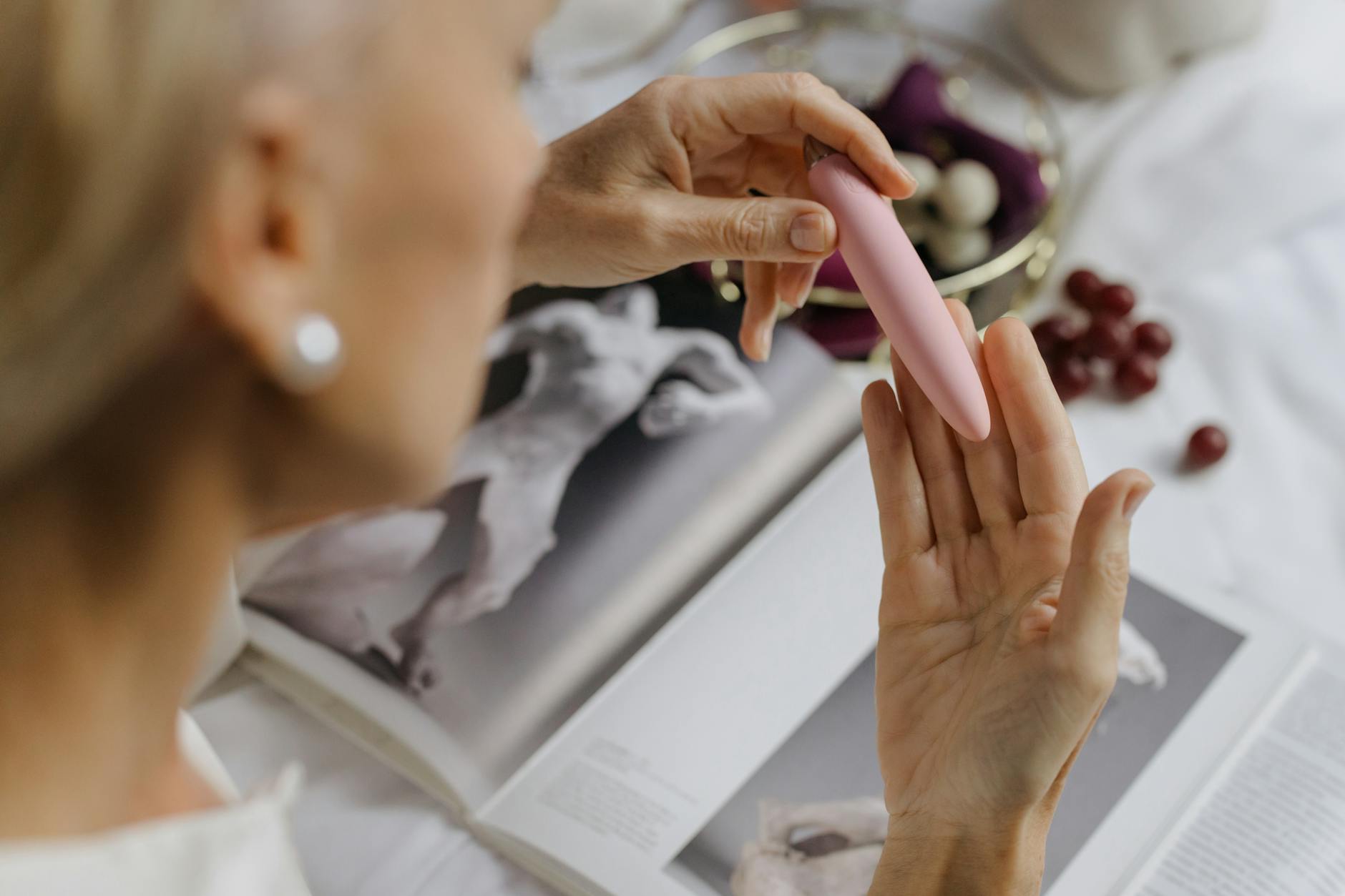
Here's the thing about partner resistance
Most hesitation about lemon vibrators isn't really about the toy. It's about what your partner thinks the toy means. He might worry it's a replacement for him. She might feel like you're dissatisfied. They might interpret it as criticism of their skills or a sign that something's broken in your sex life. None of those fears are unusual, and none of them are your fault for wanting to explore.
What makes this work is separating the toy from the relationship narrative. The vibrator isn't competing with your partner. It's a tool that lets you both access more pleasure together.
Why partners get nervous
Resistance usually lands in one of three buckets, and each one needs a different conversation.
The inadequacy fear. Your partner thinks you want the toy because they're not enough. This is the most common one, and it's rooted in something real but misguided. The clitoral vibrator doesn't do anything your partner can't do. It just does it differently, with a pattern and intensity that your own body might struggle to produce by hand for twenty minutes straight. This is physics, not critique.
The shame bucket. Maybe your partner grew up thinking toys are weird or weren't on the table in their previous relationships. They might feel uncomfortable about their own sexuality being that direct. This needs patience and permission, not persuasion.
The control concern. Some partners worry that bringing a toy in means losing intimacy or that sex becomes transactional. This usually surfaces as "I want it to feel natural" or "I don't want everything to be planned." Fair point. That's actually worth addressing before the toy arrives.
The conversation before the toy
Don't lead with the toy. Lead with desire.
Wait for a moment outside the bedroom when you're both relaxed and clothed. Pick a time when you have privacy and nobody's rushing anywhere. Then say something like: "I've been thinking about how I want our sex life to evolve, and I want to talk about it with you."
Listen to what they say. Let them ask questions. Then explain what you actually want: "I want to experience more of what feels good for me, and I want you involved in that. Not instead of you. With you."
This is where you can introduce the idea of a clitoral vibrator. Frame it as exploration, not as a problem-solving tool. "I want to figure out what my body likes, and I think this could help us both have more fun together."
His question might be: "Will you still want me?" Her question might be: "Does this mean you're not satisfied?" Their question might be: "Will this make sex feel less intimate?"
Honest answer to all of these: no. But explain why.
Reframing the lemon vibrator as connection, not replacement
Here's what actually happens when couples use clitoral vibrators together: sex often becomes less goal-oriented and more exploratory. You're not racing toward an orgasm. You're playing with sensation together.
This is the opposite of distancing. It's collaborative. Your partner gets to be present while you experience pleasure. They get to watch what turns you on. They get to participate in your orgasm rather than trying to produce it on their own.
That's actually more intimate than some vanilla sex.
When you introduce a lemon vibrator, your partner isn't competing with it. They're using it with you. You might hold it yourself while they touch you elsewhere. You might let them operate it and tell them what feels good. You might start with their fingers and build toward the vibrator together.
There's a reason couples who use toys together often report feeling more connected. They're communicating about pleasure in real time. They're giving permission for things to feel different. That's bonding.
The practical setup that reduces resistance
Presentation matters. A lot.
Don't surprise your partner with a lemon vibrator sitting on the nightstand. That reads as ambush. Instead, frame the first experience as something you're doing together, intentionally, with conversation.
Set the scene the way you would for any intimate night. Dim lights, no phones, time carved out. But be explicit: "I got this clitoral vibrator, and I want to try it together. You're in charge of how fast we go."
That last sentence is huge. Your partner needs agency. They need to feel like they're controlling the pacing, not reacting to something already in motion.
Start with them watching or touching you while you hold the lemon vibrator yourself. This lets them see what it does without them having to operate it. They learn what patterns you like. They notice what turns you on. This removes the mystery.
After a few times, they might feel comfortable holding it. Or they might not, and that's fine. Some partners prefer to stay hands-on and let you use the toy yourself while they focus on other kinds of touch. That's totally valid.
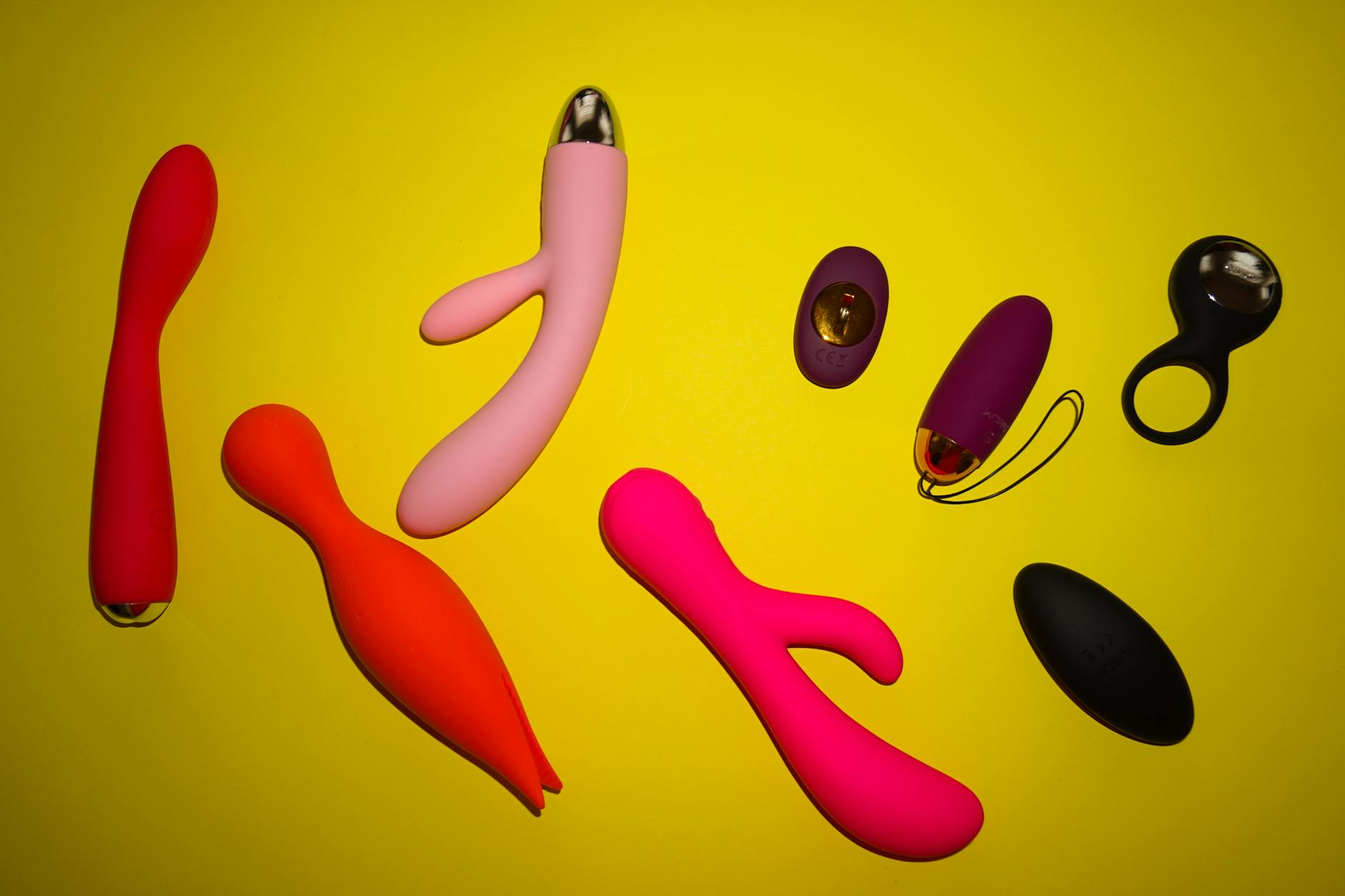
Photo by FounderTips on Pexels
What happens if they still feel uncertain
Some partners need time. They might have internalized some shame about their sexuality or picked up the message that wanting more pleasure is greedy or unfeminine or too direct.
You can't logic someone out of that in one conversation. But you can be consistent: keep talking about pleasure like it's normal. Keep framing the toy as collaborative. Keep inviting them in without pressure.
If your partner is still hesitant after a genuine conversation and a few gentle introductions, that's worth exploring together. Sometimes it's just unfamiliarity. Sometimes there's something deeper about control or self-worth that might benefit from talking with a couples therapist. That's not a failure. That's using the right resource.
But here's what I usually see: once people try it and realize that the vibrator doesn't replace anything (it just adds texture and intensity), the resistance evaporates. They discover their partner's pleasure is actually pretty hot. And sex becomes something they're both enthusiastically choosing.
A note about older relationships with new tools
If you've been together for decades, introducing a clitoral vibrator can feel like you're rewriting the rules. Your partner might feel like you're telling them the last ten years weren't good enough.
That's not true, and it's worth saying directly: "This isn't about what we've been doing. It's about what we could be exploring now. I want this with you, not instead of you."
Longer relationships often actually benefit more from toys, not less. You have more trust, more communication skills, more willingness to play. A lemon vibrator can feel like permission to explore something new together at a stage of life when novelty matters.
FAQ: Partner hesitation and lemon vibrators
What if my partner thinks the vibrator means I'm not attracted to him?
Attraction and orgasmic response are different things. You can be wildly attracted to your partner and still need different stimulation to reach orgasm. That's neurology, not emotional distance. Frame it that way: "I'm attracted to you. My body just responds to this pattern in a way that makes everything feel more intense. I want you to be part of that."
Should I buy the vibrator before or after we talk about it?
Talk first. Buying it unilaterally can feel like a done deal, like you didn't actually want their input. The conversation itself is the important part. Once they're on board, shopping together can actually be fun. If that feels too exposed, ordering online and letting them know it's coming gives them time to adjust.
What if my partner wants to use it on me but I want to hold it myself?
That's completely normal. You know your body better than anyone else. Using it yourself lets you find your rhythm without having to communicate constantly about pressure and speed. Your partner can still be present, still be touching you elsewhere, still be part of the experience. Pleasure is collaborative even when you're holding the tool.
Can a lemon clitoral vibrator help if we've drifted apart sexually?
It can be a doorway. But it's not a magic fix for deeper disconnection. If you and your partner haven't touched in months or if there's resentment in the relationship, the vibrator isn't going to fix that. Couples therapy or a real conversation about what's shifted is the first move. The toy comes after you've decided you both want to reconnect.
My partner is totally fine with toys but wants to use one on themselves instead of with me. How do I handle that?
That's a separate conversation. Some partners prefer solo exploration. That's valid. But if you wanted shared experience, say that: "I'd love to explore this together, and I'm also totally comfortable with you exploring on your own. What feels right to you?" Give them options instead of making it feel like a rejection.
How do I know if my partner's "hesitation" is actually a dealbreaker?
There's a difference between "I need time to get comfortable with this" and "This is something I will never want in our relationship." Listen for the distinction. If they're willing to explore it with you and they're communicating their fears, that's workable. If they're saying "Absolutely not, end of discussion," that's a real incompatibility that might need professional help to navigate.
The real outcome
Most couples who introduce a lemon vibrator because one partner wanted more exploration end up glad they did. Not because the toy is magical, but because they had a conversation about desire and then actually acted on it together.
That's the win. The vibrator is just the vehicle.
Your partner's hesitation probably means they care about what sex means in your relationship. They're worried about closeness and adequacy and whether you still want them the way they want to be wanted. Those are valid concerns. But they're not a reason to skip exploring pleasure together.
Frame the lemon vibrator as a conversation starter, not a negotiation. And start the conversation by getting curious about what they're actually afraid of. Most resistance dissolves the second someone feels heard.
You deserve pleasure. Your partner deserves to feel secure. And together, you probably deserve something more playful and exploratory than you're currently allowing yourselves.
The vibrator is just the excuse to finally have that.