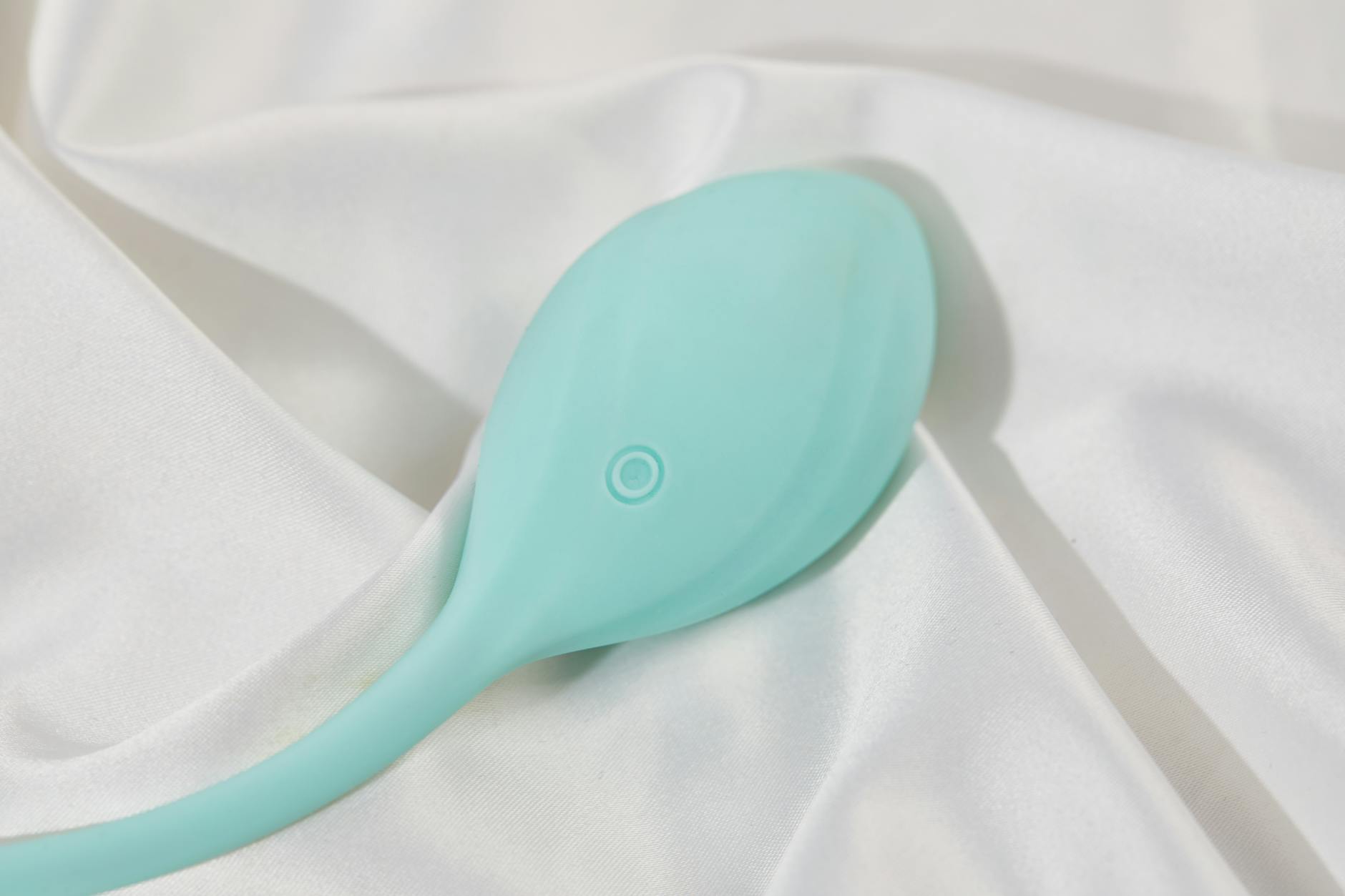
The sensitivity mismatch is more common than you think
Let's be real. One of you wants the vibrator on full blast. The other winces at pattern two. This isn't a sign of incompatibility or low desire. It's just how nervous systems work. Some people are wired for intensity. Others prefer subtlety. And when you're sharing pleasure, those wires have to talk to each other.
The good news: a lemon vibrator designed with suction and variable patterns is actually the most honest tool for this conversation. Unlike traditional vibrators that force you into an intensity arms race, lemon clitoral vibrators let you start low and meet in the middle.
Why sensitivities feel personal (and how to stop taking them that way)
Here's what happens in most couples. One partner reaches for intensity. The other pulls back. Both interpret this as rejection. "They don't want me." "They're pushing too hard." "Why can't we just sync up?" The emotional charge gets attached to the physical sensation, and suddenly it's not about the vibrator anymore. It's about feeling wanted or feeling respected.
The breakthrough comes when you separate the two conversations completely. Your body's sensitivity to stimulation is neurological. Your desire for your partner is emotional. They're not the same thing, and confusing them turns every lemon vibrator session into a referendum on the relationship.
I ask couples to treat this like they would any other practical incompatibility. If one partner likes the shower scalding and the other wants cool water, you don't interpret that as a betrayal. You figure out the water temperature together. Same principle here.
Starting the conversation before you start
Don't wait until you're both turned on and frustrated. The time to talk about sensitivities is over coffee or tea, clothed, in daylight. This removes the pressure of "fixing it in the moment" and lets you actually listen.
Three questions to ask each other:
"Where's your comfort zone?" Not just intensity level, but also pattern preference. Some people love rhythmic pulses. Others prefer steady suction. Some want variety throughout. This isn't about right or wrong. It's about mapping the territory.
"What happens when stimulation feels too intense?" Does it hurt? Does it go numb? Does the arousal crash? The reason matters because it changes how you'll adjust. Pain needs different handling than numbness.
"What would feel good to you from me?" This is the key question. Maybe the more sensitive partner wants you to start at a lower intensity and then gradually build. Maybe they want you to use your hands first and introduce the lemon vibrator only when fully aroused. Maybe they want to control the intensity themselves. Let them tell you what they need.
The practical setup that actually works
Once you know the territory, here's the structure that couples report working best.
Start with direct contact. Before bringing in the lemon vibrator, spend time with hands and bodies. This wakes up arousal and makes the more sensitive partner less reactive to intensity. A body that's already moving toward climax tolerates sensation differently than a body that's starting from neutral.
Introduce the vibrator at low intensity. If you're using a lemon clitoral vibrator, start at pattern one or two. Not as a warm-up placeholder, but as the actual experience. The sensitive partner should be holding the toy or directly guiding placement. This gives them control and removes the "something's being done to me" feeling that often magnifies sensitivity.
Build only if they want to. The more intense partner can ask, "Want to try the next pattern?" No pressure. No sulking if the answer is no. Many people find their sweet spot at intensity level three and stay there for the entire experience. That's completely valid and often actually more pleasurable than chasing the maximum setting.
Use lubrication generously. Water-based lube reduces friction and changes how suction feels against sensitive tissue. It makes the sensation broader and less sharp. The more sensitive partner often finds that lube makes the difference between "too much" and "just right."
When your arousal patterns don't match up
Sometimes the sensitivity gap is really an arousal timing gap. One partner gets there in five minutes. The other needs twenty. When the faster person reaches for intensity early, the slower person isn't ready yet, so it reads as too much.
Here's the reframe: build in buffer time. If you want to use a lemon vibrator together, add fifteen minutes of foreplay that doesn't involve the toy at all. This isn't wasted time. It's essential setup. The more sensitive partner gets to the point where they're genuinely excited and ready to explore intensity. The other partner doesn't have to white-knuckle through a low-speed intro when their body is already revving.
When both of you are genuinely aroused, sensitivities soften. Not because the nervous system changed, but because attention and readiness changed.
What to do if one of you wants to opt out
Sometimes one partner genuinely doesn't want a vibrator involved at all. That's worth listening to instead of pushing around.
Instead of "using the lemon vibrator together," reframe it as "I'm going to use this toy sometimes and I'd like you there." They don't have to be the one receiving the vibration. They can be present, touching you, kissing you, watching you use it. Or they can do their own thing nearby. The point is that you're not making their comfort a prerequisite for your pleasure.
This sounds small, but it removes the burden of "making it work for both of us" from one person's shoulders and distributes it properly. Your partner's job isn't to enjoy exactly what you enjoy. Their job is to be respectful of your pleasure and not punish you for wanting it.
The communication that keeps happening
One conversation isn't enough because arousal changes, stress changes, hormones change, and what felt perfect last month might feel different this month.
Check in during. "Does this feel good?" "Want more or less?" "Should we try a different pattern?" These aren't mood-killers. They're actually hot because they show attention and care.
Check in after. "What worked for you?" "What didn't?" "Want to do that again or try something different next time?" This is where you gather data for next time and where miscommunications get caught before they harden into resentment.
And check in between sessions sometimes just for fun. "I've been thinking about trying the lemon vibrator with you again. Any thoughts?" Keeps it playful instead of making it a big clinical discussion every single time.
When sensitivity is actually pain
There's a line between "I prefer less intensity" and "this causes pain." If the more sensitive partner experiences burning, sharp sensations, or discomfort that doesn't ease up, that's a signal to pause.
Pain during sexual activity can point to physical issues like vulvodynia or vaginismus that need professional support. It can also point to tension or anxiety that a vibrator alone won't fix. Consider seeing a pelvic floor physical therapist or a sex therapist who understands the physiology. How to Use a Lemon Vibrator With Sensitive Areas and Health Conditions goes deeper into this territory.
The lemon clitoral vibrator is a tool, not a solution to pain. Respect that distinction.
The confidence piece
Here's what I see happen when couples actually do this work. The more sensitive partner stops feeling broken. They realize that their body isn't defective; it just has different preferences. The intensity-loving partner stops feeling rejected. They realize that their partner's boundaries aren't about them.
And both of them get to use a toy that's actually designed for nuance. A lemon vibrator isn't a one-setting jackhammer. It's a conversation piece with your partner's body. That's genuinely rare in the sex toy world, and it matters.
Your sensitivities aren't a bug. They're information. Use them.
FAQ: Navigating sensitivities with lemon vibrators
What if we've tried talking about this and nothing changes?
Often the stuckness isn't about the vibrator at all. It's about resentment or control or fear that has nothing to do with intensity preference. If you're in this spot, it's worth working with a couples therapist who understands sexuality. You need someone helping you solve the relational problem underneath the physical one. A lemon vibrator can't fix that. A therapist can.
Is it normal for sensitivity to change over time?
Completely. Hormones shift, stress levels shift, medications shift, how connected you feel to your partner shifts. All of these change how your nervous system responds to stimulation. What felt overwhelming a year ago might feel perfect now. What felt good last month might feel too much this month. This isn't instability. It's responsiveness. Check in regularly instead of assuming everything stays static.
Can lubrication actually reduce sensation if someone is too sensitive?
Yes, in the best way. Water-based lube creates a glide that makes sensation feel less concentrated. It spreads the stimulation across a broader area instead of focusing it on one point. For people who find direct suction too intense, lube can be the difference between "no way" and "actually that's great." Experiment. Everyone's different.
What if the more sensitive partner feels pressured to "enjoy" higher intensity to please their partner?
This is the relationship problem in a nutshell, and it needs addressing. Your partner's pleasure is not your responsibility. Your responsibility is to not punish them for having boundaries. If they want you to enjoy intensity you don't actually enjoy, that's a power dynamic worth naming and fixing, ideally with professional help.
Should we use a lemon vibrator during partnered sex or separately?
Both work. Some couples use lemon clitoral vibrators during partnered penetration. Others use them solo while their partner is present. Others use them solo while their partner does their own thing. There's no correct answer. What matters is that everyone consents and feels safe. Let the sensitivity differences guide the choice. Maybe one of you needs the vibrator to get there, and the other provides the emotional and physical connection around that.
How often should we be having this conversation?
At minimum, before the first time and after. But ideally it becomes part of your regular rhythm. Not every single time, but regularly enough that you're not operating on assumptions from six months ago. Some couples do a quick check-in mid-session. Others have a longer talk monthly. Find your cadence. The point is that sensitivities aren't set once and forgotten. They're a living conversation.
Your pleasure differences aren't a flaw in your relationship. They're actually a feature if you're willing to navigate them honestly. A lemon vibrator is just the tool. The real work is the talking, the listening, and the willingness to meet your partner exactly where they are instead of where you wish they were.