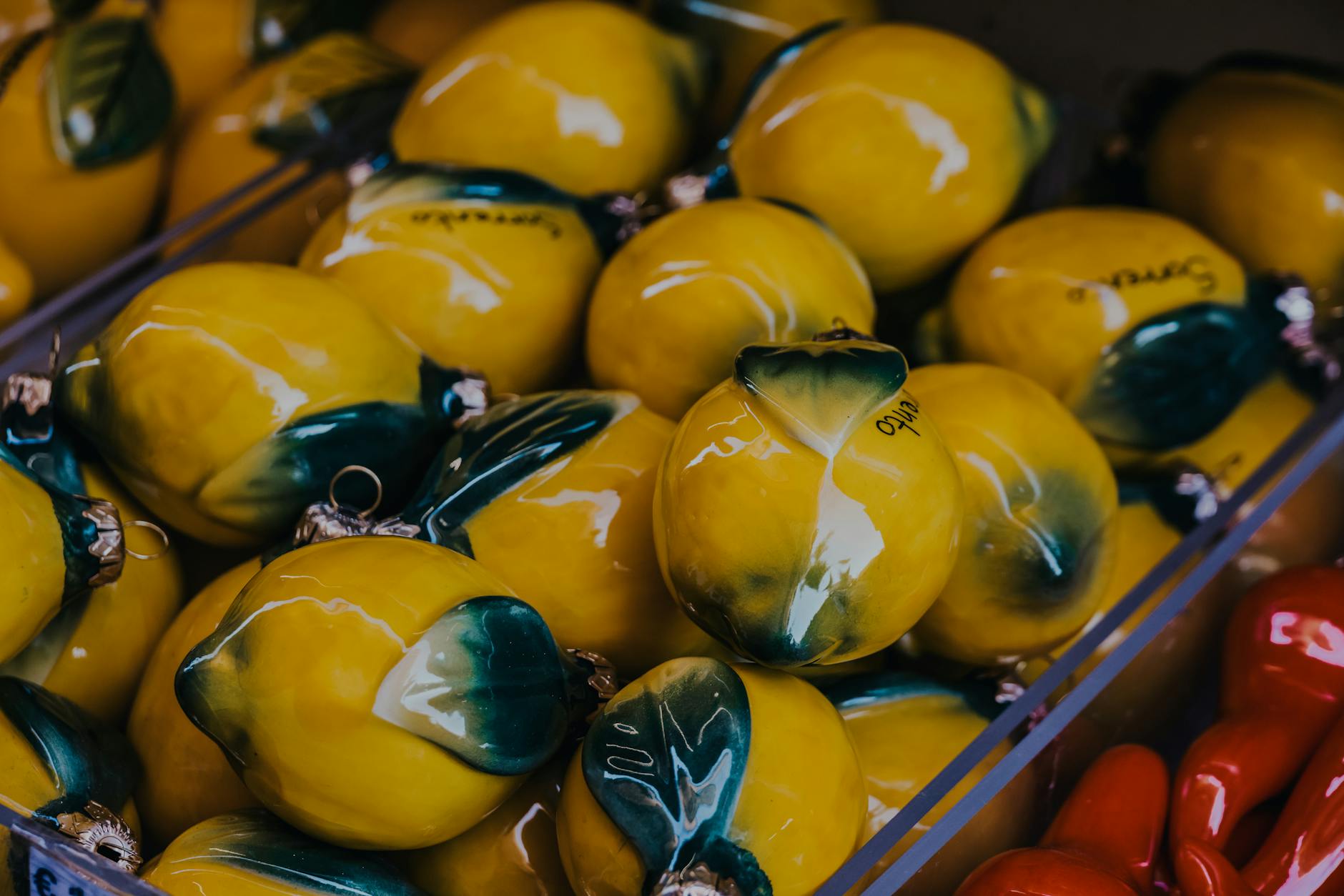
Let's talk about the thing nobody mentions
Recreational drug use changes pleasure. Not because anything is broken with you, but because substances fundamentally alter how your nervous system processes touch, arousal, and sensation. Stimulants dull feeling. Depressants slow the whole thing down. Psychedelics rewire perception entirely. And if you're using a lemon clitoral vibrator or any adult toy while substances are in your system, understanding this shift is the difference between a good experience and hours of frustration wondering why nothing is working.
Here's what I want you to know first: this is temporary, it's manageable, and a lemon vibrator can actually work really well once you adjust your approach.
How stimulants affect sensation
Cocaine, methamphetamine, and MDMA are the big ones. They flood your system with dopamine and norepinephrine, which sounds like it should enhance pleasure. It doesn't work that way. What actually happens is vasoconstriction. Your blood vessels narrow. Blood flow to sensitive areas drops. Nerve endings get less oxygen and nutrients.
The result: numbness. Not complete loss of feeling, but a dulling like you're touching through thick fabric. Your body doesn't respond as quickly to the suction and vibration patterns that usually work for you. An orgasm that might take 5 minutes on a clear day could take 20 or feel distant and hard to reach.
Using lemon vibrators during stimulant use feels pointless because the toy isn't the problem. Your nervous system is temporarily unresponsive. Pushing harder or using higher intensity settings won't fix this. You'll just end up with soreness and disappointment.
The fix: lower expectations, longer timeframes, different approach. I'll get to the specifics.
How depressants shift your experience
Alcohol, benzodiazepines, and opioids work the opposite direction. Instead of revving you up, they slow everything down. Your nervous system's ability to register and interpret sensation gets muffled. Arousal takes forever to build. Your body feels heavier and less responsive.
There's also a consent and safety issue here. Depressants impair judgment and reduce your ability to notice and communicate about what feels good or painful. Pleasure with a lemon clitoral vibrator requires presence and clear communication with yourself. Depressants steal that. If you're planning to use a vibrator, sobriety or near-sobriety on depressants is genuinely the smarter choice.
If you do proceed: start with the lowest vibration intensity. Budget twice the time you'd normally need. And pay closer attention to any pain signals, because depressants can also blunt discomfort warnings until damage has happened.
How psychedelics reshape sensation
Psilocybin, LSD, and similar substances don't numb sensation. They rewire how your brain interprets it. Touch can feel overwhelming or distant depending on the dose and your psychology. Orgasm can feel scattered or hyper-focused. Time perception gets weird. An orgasm can feel like it lasts for hours.
This is less about dysfunction and more about novelty. Some people find pleasure with a lemon vibrator during psychedelics incredibly intense and rewarding. Others find any genital touch overwhelming and need space instead.
The variable here is individual neurochemistry and set and setting. Low doses plus a comfortable, private space can actually enhance sensation in interesting ways. High doses in an unfamiliar or anxiety-triggering environment almost always backfires.
If you're planning to use lemon vibrators while on psychedelics: start with very low vibration levels, go solo (partner presence adds variables), and be prepared to stop if overwhelm hits.
How cannabis affects pleasure specifically
Cannabis is worth its own section because it's so common. THC heightens tactile awareness in some people, which sounds perfect for pleasure. The catch is that it also increases heart rate and anxiety in others, which tanks arousal.
Low-to-moderate doses of cannabis often improve sensation. High doses can cause paranoia and sensation distortion that makes pleasure nearly impossible. The type matters too. Sativas tend to be more energizing; indicas more sedating. A hybrid used in moderation can actually complement the suction and vibration sensations of a lemon clitoral vibrator quite well.
The key is dose control and self-awareness. If you've had a good experience with cannabis and pleasure before, moderate use is probably fine. If you're new to combining the two, start small and note what works.
The four adjustments that actually help
1. Time your sessions differently. If you use stimulants, wait 4-6 hours after dosing before attempting pleasure with any vibrator. Your body needs time to normalize blood flow. If you use depressants, either wait for them to fully metabolize or skip pleasure that day. With cannabis, moderate doses typically peak around 30 minutes to 1 hour; start there if you're curious.
2. Use intensity strategically. When sensation is dulled, your instinct is to crank the vibrator to maximum. Don't. Start at pattern 1 or 2 and spend 5-10 minutes there, giving your nervous system time to register. Your body might surprise you and wake up. If not, increase slowly. More intensity when numbed out just creates friction and soreness without amplifying sensation.
3. Extend your warm-up time dramatically. A lemon vibrator works best when you're already somewhat aroused. When substances dull sensation, skip straight to the vibrator is a recipe for frustration. Spend 15-20 minutes on manual exploration first. Let your body remember what arousal feels like before introducing the toy.
4. Check in with your whole system, not just orgasm. When sensation is compromised, focusing entirely on reaching orgasm is the wrong goal. Notice instead: Does the vibration feel good even if distant? Are you having any pleasure at all, even if smaller? Can you enjoy the sensation for its own sake rather than a means to an end? This mindset shift transforms the experience from "why isn't this working" to "what is this actually like today."
When to pause completely
I want to be direct: some combinations of substances and pleasure don't mix. High-dose stimulants plus a lemon vibrator usually creates frustration and physical discomfort, not pleasure. Mixing depressants with vibrators risks injury because you can't feel pain signals clearly. Heavy alcohol use plus anything sexual carries consent and safety concerns that vibrator technique can't solve.
Your body will tell you if a session isn't working. The signal is usually: numbness doesn't improve after 10-15 minutes, mild discomfort that isn't resolving, or a mental fog that makes it hard to stay present. When any of those show up, stop. Your nervous system needs recovery time. Pushing through doesn't build tolerance; it just creates soreness and negative association with your vibrator.
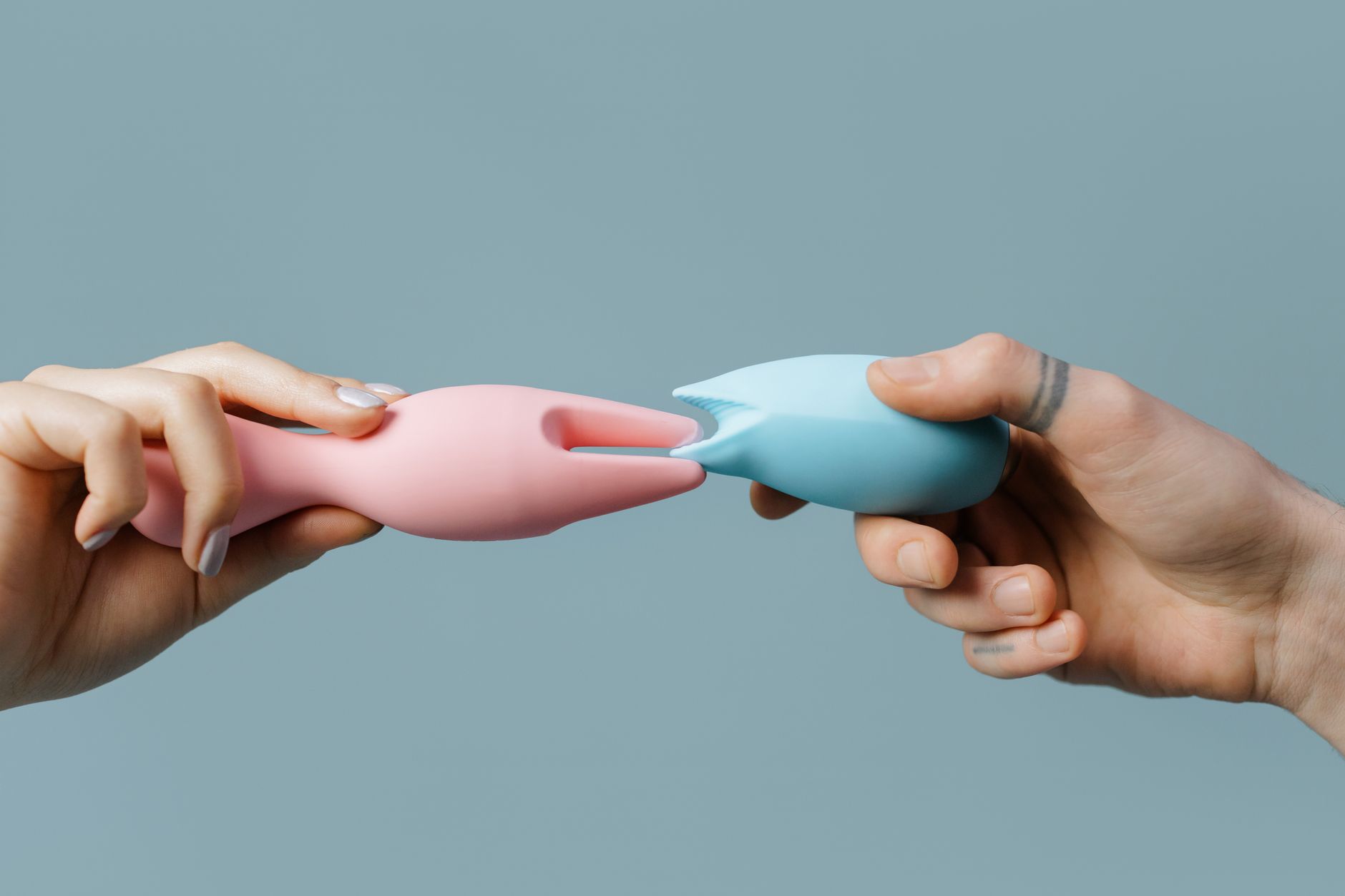
Photo by cottonbro studio on Pexels
The relationship between substance use and chronic sensation changes
If you're a regular user of stimulants, there's something important to know: chronic use can create lasting changes to how your body registers sensation, even on days you're not using. Your nervous system can become somewhat desensitized over time. This is different from acute substance effects. If you notice your lemon clitoral vibrator doesn't feel as good as it used to, even on sober days, that's a signal worth paying attention to. It might mean your body needs a break from the substance, or it might mean adjusting expectations long-term.
That said, desensitization isn't permanent. Most people recover significant sensation sensitivity within weeks of reducing or stopping regular use. Your nervous system is adaptable.
Talking to partners about this dynamic
If you're partnered, substance use that affects sensation becomes a shared experience. Your partner might feel rejected or confused if pleasure suddenly feels remote. The honest conversation is: "My body's sensitivity is lower today because [reason]. I'd still like to explore, but let's adjust our approach and timeline."
You can absolutely use a lemon vibrator with a partner even when substances are affecting sensation. The frame just changes. Instead of "let's have faster, more intense pleasure," it becomes "let's spend time exploring what feels good right now." Partners who are willing to slow down and adapt usually find that the extended timeframe actually deepens connection.
FAQs
Can I use a lemon vibrator immediately after using stimulants?
Technically yes, but you'll have a frustrating time. Stimulants peak within 30 minutes to 2 hours depending on the drug, and sensation dampening lasts 2-6 hours after that. Waiting until the substance has mostly metabolized gives you way better results. If you're looking to use a lemon clitoral vibrator, timing it 4-6 hours after use is smarter.
Does using a lemon sucker (lemon vibrator with suction) work better than regular vibration when I'm numb?
Suction actually can work well with reduced sensation because it creates a broader pattern of stimulation rather than direct vibration. A lemon clitoral vibrator's suction effect often feels present even when vibration feels distant. That said, start at lower intensity and give it time.
Is it safer to avoid pleasure toys entirely when using recreational drugs?
Not necessarily, but there are genuine safety considerations. With stimulants, the main risk is soreness from pushing too hard while numb. With depressants, the risk is that you can't feel pain well enough to stop before injury happens. With any substance, impaired judgment affects consent and communication. The safest approach is: substances metabolize first, then pleasure. It's not a huge delay in the grand scheme of things.
How long does sensation usually recover after stopping a substance?
This varies wildly by drug, dosage, and individual. For stimulants, acute numbness resolves within hours of metabolism. For chronic heavy use, full sensitivity recovery can take weeks to months. Cannabis usually returns to baseline within 24 hours. Depressants typically restore full sensation once they've metabolized, which depends on the specific drug.
Should I tell my doctor if I'm struggling with sensation and using recreational drugs?
If the sensation issue persists or worsens, yes. Tell a doctor without judgment. What matters is being honest so they can help you troubleshoot whether it's substance-related, a medication side effect, or something physical. If you're worried about legal consequences, know that your doctor's job is your health, not enforcement. Many doctors have worked with substance use before and aren't there to scold you.
Can I use a lemon vibrator if I'm on medication and also using recreational drugs?
This depends entirely on the medication and drug combination. Some mix without issue. Others create dangerous interactions. This is genuinely a "talk to a pharmacist or doctor" question, not something to guess on. They can tell you the specific interaction profile without needing to report you or judge you.
The real thing
Your pleasure matters, even on days when substances have temporarily changed how your body responds. Using a lemon vibrator when sensation is compromised isn't impossible. It just requires patience, realistic expectations, and willingness to adjust your technique. Your body isn't broken. It's temporarily processing the world differently. Once you sync your approach to that reality, good experiences are totally possible.
If you have questions about your specific situation or want to explore what adjustments might work best for your body, reach out to our team. We're here to help you figure out what works.